

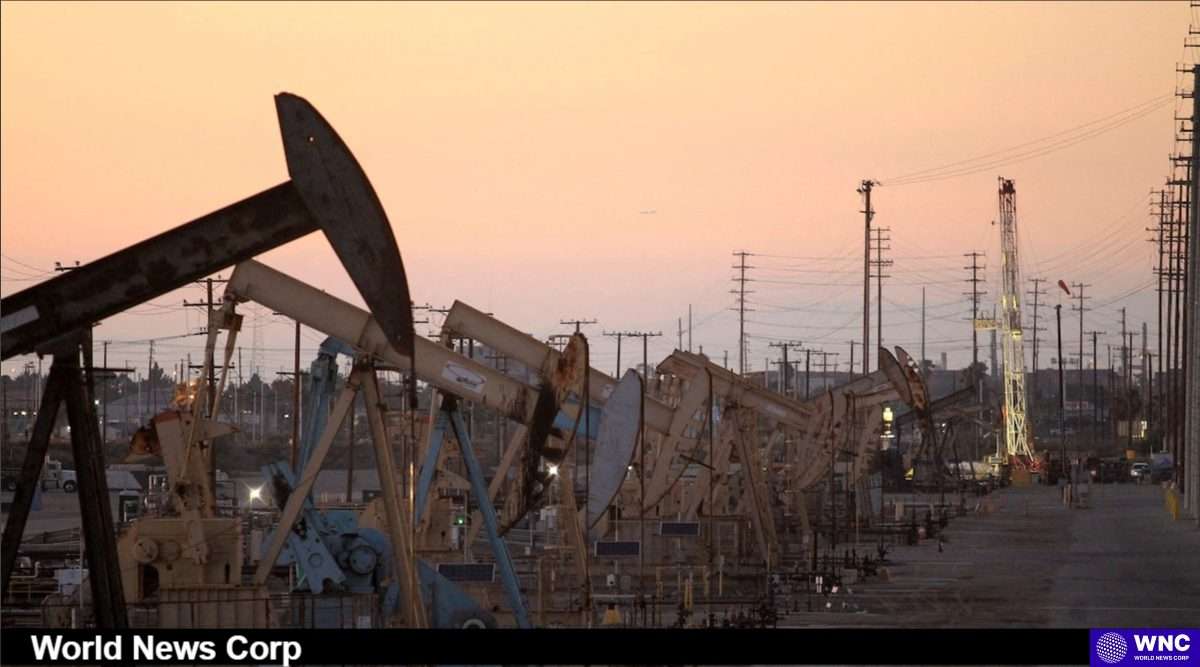
In recent weeks, crude oil prices have plummeted to their lowest levels in over four years, creating a ripple effect that many Australians are beginning to feel. As of Wednesday morning, Brent crude was trading at approximately $62.50 per barrel, a significant decrease from a high of around $125 per barrel just a year ago. This dramatic fall is not only a relief for motorists at the bowser but also hints at potential savings across the board, from fuel to grocery prices.
What factors provide a breather for motorists?
For everyday Australians, the decline in crude oil prices has translated to a noticeable drop in petrol and diesel prices. According to data from the Australia Institute of Petroleum, the national average price of petrol has decreased from 201 cents to 178 cents per litre. This translates to a savings of over $10 for a typical 50-litre fuel tank, down from just over $100 to under $90. Mark McKenzie, CEO of the Australasian Convenience and Petroleum Marketers Association (ACAPMA), notes that these prices could remain steady or continue to decline for the remainder of the year.
Businesses Feeling the Impact
It’s not just individual motorists who are feeling the benefits. Businesses that rely heavily on fuel for transportation are also beginning to see relief. For instance, Scott Hannah, owner of Hannah’s Haulage, manages a fleet of over 40 trucks, each using around 600 litres of diesel daily. With diesel prices dropping, he can pass on savings to his customers, which could ultimately lead to lower prices in supermarkets and local shops. These lower transportation costs are likely to filter through the economy, impacting inflation and cost of living in significant ways.
Regional Disparities in Fuel Pricing
However, not all Australians are experiencing the same level of relief. Residents in regional areas often face higher petrol prices compared to those in major cities. Darwin resident Mingqiu Li expressed frustration, stating, “I think it’s only increasing,” highlighting how the price of fuel in her area is significantly impacting her daily life. In places like Broome, the cost can be 50 cents more per litre than in southern towns, raising questions about transportation costs and market fairness.
What’s Driving These Price Changes?
So, what exactly led to this drop in crude oil prices? Analysts attribute the decline to two main factors: a decrease in demand and an increase in global supply. U.S. tariffs on trading partners have slowed economic activity, leading to reduced demand for oil. Simultaneously, the powerful oil cartel OPEC+ has decided to increase production, adding further supply to the market. These dynamics are critical to understanding the current and future state of fuel prices.
Looking Ahead: Economic Implications
The impact of falling crude oil prices extends beyond the bowser and into the broader economy. Experts predict that the savings from lower transportation costs will significantly affect inflation rates and overall economic activity. Tony Wood from the Grattan Institute emphasizes that since much of what we purchase in shops is distributed via road freight, the benefits of reduced fuel prices will ultimately reach consumers. As we look forward, it seems that the current pricing trends hold promise for easing some of the financial pressures Australians have been facing amid rising cost of living concerns.