

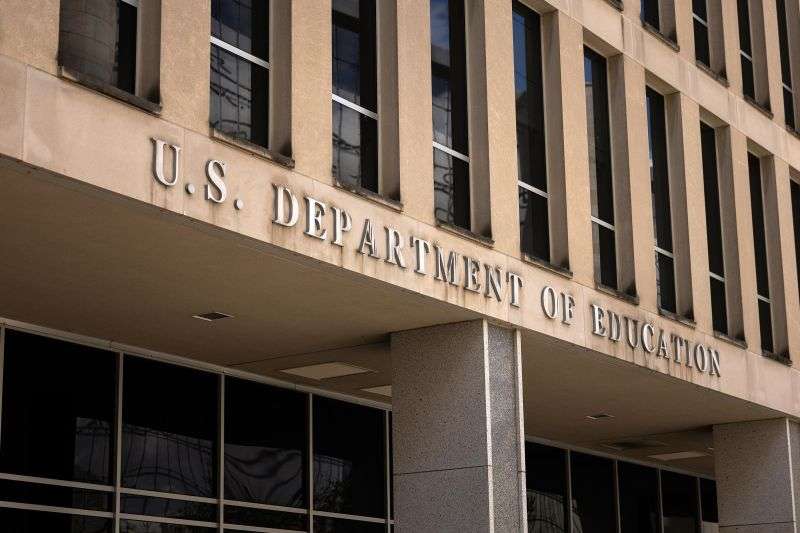
In recent years, the U.S. Department of Education debate has become highly intense, particularly during the tenure of the Trump administration. Eliminating this federal agency is quite critical and sparks several questions on the future of education in America. Since 1979, the Department of Education has had a crucial role in overseeing funding from the federal government for K-12 schools and higher learning institutions, student loans, and grants. With the signaling of President Trump’s administration’s strong desire to abolish the department, it is important to understand the implications of such a move on students, educators, and the educational landscape as a whole.
Establishment of the Department of Education
The Department of Education was founded under President Jimmy Carter’s administration with the intent of consolidating federal education efforts, ensuring that all Americans have equal access to all levels of education that the U.S. has to offer. It has more than 4,000 employees and runs on an annual budget of over $79 billion. This agency oversees many critical funding programs, such as Title I, supporting low-income students, and IDEA, supporting students with disabilities. These programs have traditionally been bipartisan, making any effort to eradicate them contentious.
Education according to Trump
President Trump has also been critical of the Department of Education, referring to it as an example of government overreach. During his presidency, he advocated for a shift in education control back to individual states. His administration’s plans to eliminate the department reflect a broader Republican ideology advocating for less federal involvement in education. Trump stated, ‘I hope you do a great job in putting yourself out of a job,’ addressing his then-nominee for secretary of education, Linda McMahon. This sentiment encapsulates the administration’s approach to federal education policy.
Impacts on Federal Funding and Programs
Abolishing the Department of Education would have a significant impact. Many federal funding streams that public schools rely on would be jeopardized. It is possible to shift some programs to other federal agencies, but the political and logistical challenges of doing so would be immense. This suggests that Congress has always opposed reductions in the budget of the Department, even if proposed by an incumbent president. This raises a question of whether the Trump administration could successfully dismantle the department and what this would mean for continued funding of education.
Role of Federal Student Aid
One of the most important functions of the Department of Education is to administer federal student loans and financial aid programs. The Free Application for Federal Student Aid, or FAFSA, opens the door to millions of students to access financial aid for college. Without a central federal agency to oversee these processes, it may create confusion and barriers for students seeking higher education, especially for those from disadvantaged backgrounds who rely heavily on federal assistance.
State Control vs. Federal Oversight
Proponents of eliminating the Department argue that returning education control to states would enhance local accountability and responsiveness to community needs. However, critics warn that this could lead to disparities in educational quality and access across states. This said, the federal government still does play a big role in balancing the playing field in terms of resource access as ESSA has already drawn much attention toward state control. Without federal check and balance, vulnerable populations face more challenges regarding quality education.
The Politics Ahead
The prospect of abolishing the Department of Education faces significant challenges in Congress. While Republicans hold the House and Senate, a filibuster in the Senate would be difficult to overcome. Furthermore, the political climate surrounding education is becoming more polarized, with many clamoring for federal support to ensure equal education for all students. The future of education policy in the United States will be determined by the continued discussion among lawmakers, educators, and the community.
Conclusion: Point of Inflection for Education
The ongoing debate about abolishing the Department of Education forces educators, parents, and policymakers to have a meaningful discussion in regard to the future of education in America. The stakes are high, and the decisions that are made going forward will play significant roles for students all across the country. Understanding the role of the Department and the potential consequences of its elimination is vital for anyone invested in the future of education.