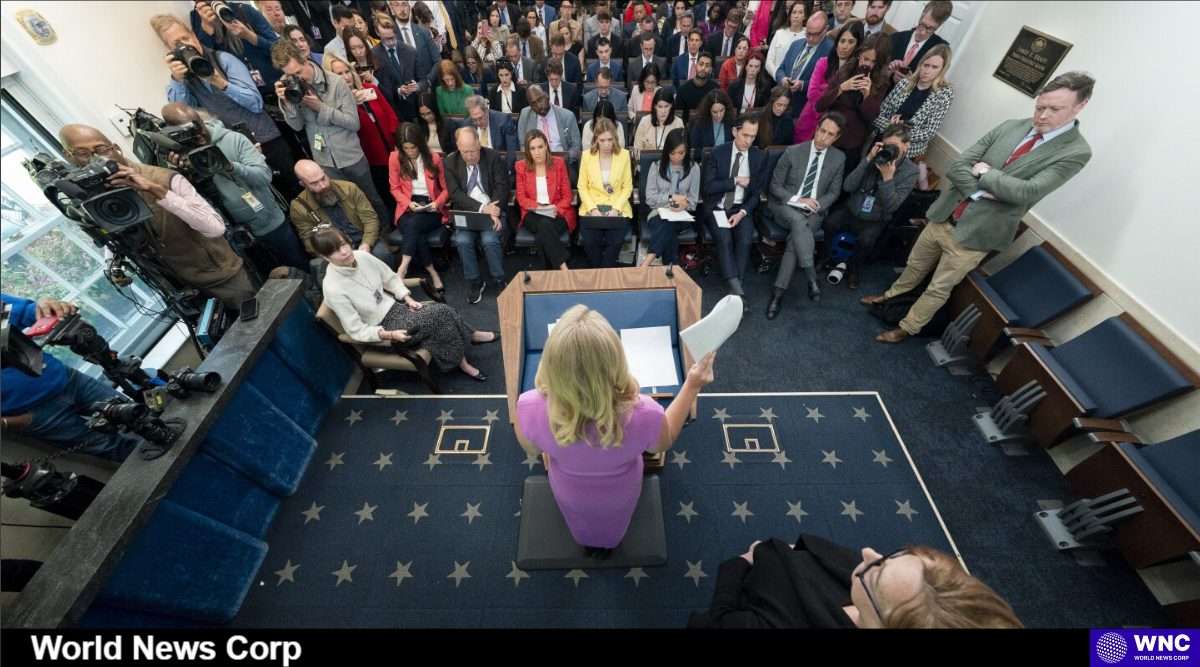
The ongoing conflict between The Associated Press (AP) and the Trump administration has escalated into a significant legal battle that raises critical questions about press freedom and the First Amendment. The federal court’s involvement highlights the stakes involved when a government entity attempts to restrict a news outlet’s access to information. As a reporter, I find myself captivated by the implications of this case and how it reflects broader issues surrounding journalism today.
How Did Access Become Controversial?
For two months, AP reporters and photographers faced a blatant ban from covering events within the White House, including iconic locations like the Oval Office and Air Force One. This exclusion stemmed from the administration’s discontent over AP’s editorial choices, particularly its refusal to adopt the term ‘Gulf of America’ in its reports. A federal judge, Trevor N. McFadden, ruled that denying access to the AP for such reasons constitutes a violation of free speech rights. This ruling is not just a small win for the AP; it underscores a larger narrative about governmental accountability and the necessity of a free press in a democratic society.
Judicial Perspectives on Press Freedom
Judge McFadden’s comments during the court proceedings were telling. He expressed his reluctance to micromanage the White House but acknowledged that the AP’s arguments resonate with the broader principles of free speech. The judge’s initial ruling in favor of the AP suggests a willingness to uphold constitutional protections against governmental overreach. For those of us in the media, such victories are crucial, as they set precedents that can influence future cases.
The New Press Policy: A Mixed Blessing?
In response to the court’s order, the White House implemented a new press policy that allows AP and other wire services limited access to events they previously covered consistently. While this may seem like a step in the right direction, AP’s legal team argues that this is mere ‘gamesmanship’ intended to diminish their influence. For many journalists, this feels like a half-hearted attempt at compliance rather than a genuine commitment to transparency. As a member of the press, it’s disheartening to see such tactics employed against a foundational institution of democracy.
The Broader Implications of the Case
This conflict is more than an isolated incident; it reflects a worrying trend in how governments interact with the media. If the administration can dictate who reports on it and how, it sets a dangerous precedent that could undermine journalistic integrity. The AP’s decision to continue using the term ‘Gulf of Mexico’ serves as a reminder of the importance of editorial independence. As journalists, we have a responsibility to our audiences to report accurately, regardless of political pressures.
Moving Forward: What’s Next?
As the legal battle moves through the courts, the AP remains steadfast in its commitment to free speech and journalistic integrity. The case is expected to unfold over several months, potentially impacting how press freedoms are perceived and protected in the United States. For those who value democracy, it is essential to stay informed about these developments. The outcome could very well shape the landscape of journalism for years to come. We must remain vigilant in advocating for access and transparency, ensuring that the voices of the press are not silenced.