

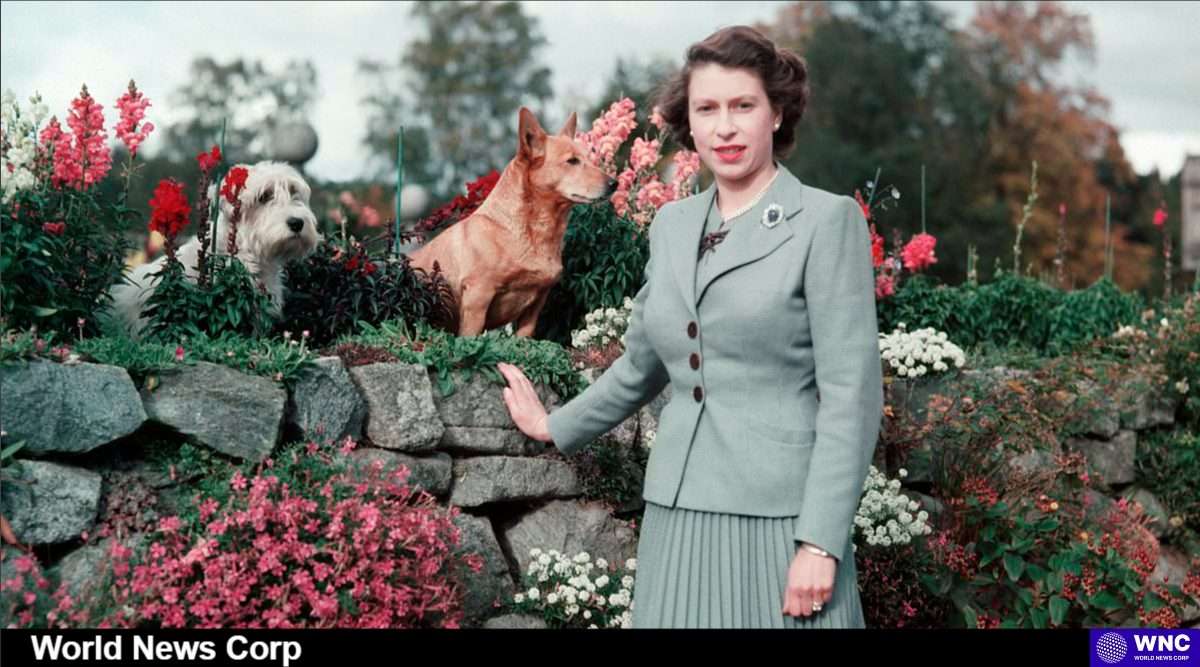
Queen Elizabeth II is often remembered as a pillar of strength and grace. Yet, her journey to becoming one of the most beloved monarchs in history was not without its challenges. In the 1950s, she faced criticism that painted her as an uneasy figure, struggling to find her footing in a role that transcended personal aspirations. Historical accounts reveal that during an interview with James Pope-Hennessy in 1957, Elizabeth appeared somewhat self-conscious, almost uncomfortable, a far cry from the poised leader she would later become. Historians, like Tessa Dunlop, assert that Pope-Hennessy’s critique, while insightful, didn’t capture the essence of a young woman still growing into her role.
How Did One Critique Shake Royals?
In a time when the public demanded more from their young queen, Lord Altrincham’s scathing review came as a shock. His article in The National and English Review accused Elizabeth of being out of touch. He described her entourage as ‘tweedy’ and criticized her high-pitched voice, noting that her speeches often felt ‘hollow’. These comments, while harsh, reflected a sentiment of the time—a longing for modernity within the British monarchy. As Dunlop points out, Altrincham’s disdain was not solely directed at Elizabeth; he critiqued her advisers as well, suggesting that perhaps the queen was not entirely to blame for how she was perceived.
Elizabeth’s Evolution: From Criticism to Comfort
As the years passed, Queen Elizabeth transformed. What was once seen as awkwardness became a hallmark of her presence. By the time she celebrated her Silver Jubilee, her constancy became a source of national comfort and nostalgia. Her unwavering presence during tumultuous times, such as the post-war period and the changing social landscape, allowed her to resonate deeply with the public. Through her dedication to duty and commitment to tradition, she ultimately earned the admiration that had once eluded her.
The Role of Family and Tradition
Elizabeth’s early life played a crucial role in shaping her character. Born into privilege but trained in duty, she learned the importance of self-discipline and composure from a young age. The fondness shown by her grandfather, King George V, coupled with her parents’ dedication to royal responsibilities, instilled in her the values that would guide her throughout her reign. Even as a child, Elizabeth understood the weight of her future role, preparing her not just to be a figurehead but a queen who would navigate the complexities of modern monarchy.
The Bond with Prince Philip
A significant part of Elizabeth’s journey was her partnership with Prince Philip. While Lord Altrincham praised Philip’s public speaking skills, noting his successful foray into television, Elizabeth’s strength often came from their union. Together, they faced the trials of public life, forging a path that balanced tradition with the needs of a changing society. Their bond was characterized by mutual respect and understanding, which helped Elizabeth navigate her responsibilities with grace.
A Monarch for the Ages
Today, as we reflect on Queen Elizabeth II’s legacy, it’s clear that her story is one of resilience and adaptability. She evolved from a young monarch unsure of her place into one who would embody the strength and continuity that her nation needed. Her reign serves as a testament to the enduring power of duty, tradition, and the capacity for growth. The challenges she faced only made her achievements more remarkable, ultimately securing her place as a beloved figure in history.