

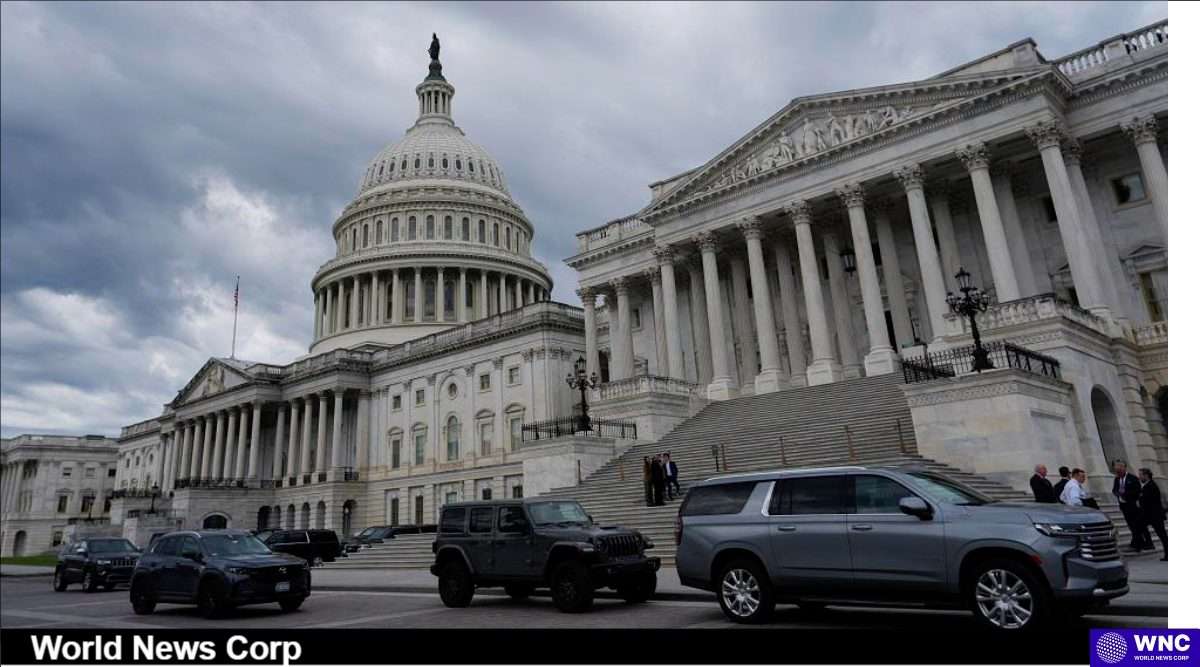
In recent weeks, the debate surrounding the GENIUS Act has intensified, bringing to light the intricate dynamics of cryptocurrency regulation in the United States. This proposed legislation aims to provide a framework for stablecoins, digital currencies pegged to real-world assets like the U.S. dollar. However, the failure of a recent cloture vote in the Senate illustrates the deep divisions and concerns among lawmakers, particularly Democrats, regarding the implications of this bill.
What are stablecoins, and why are they important for digital finance, price stability, and crypto adoption?
Stablecoins have emerged as a crucial component of the cryptocurrency ecosystem, offering a semblance of stability in an otherwise volatile market. By pegging their value to traditional currencies, stablecoins serve as a bridge for individuals and institutions looking to transact in digital assets without the fear of rapid value fluctuations. However, the lack of regulatory oversight has left many in the financial sector wary, prompting calls for legislation like the GENIUS Act.
The GENIUS Act seeks to establish guidelines for the issuance and operation of stablecoins. Proponents argue that it could enhance consumer protections and provide necessary regulatory clarity. For instance, firms issuing stablecoins would need to maintain certain reserves, similar to traditional banks, ensuring that users can redeem their holdings at par value. This could mitigate risks associated with runs on stablecoins, a concern highlighted by financial experts.
Democratic Concerns Over Trump’s Crypto Dealings
Despite the potential benefits of the GENIUS Act, Senate Democrats have expressed significant reservations, primarily related to President Donald Trump’s cryptocurrency dealings. The concerns center around the lack of adequate safeguards to prevent conflicts of interest and corruption. As Senator Elizabeth Warren has pointed out, the bill, as it stands, could “supercharge Donald Trump’s corruption.” This sentiment has led to a cautious approach among Democrats, who are wary of moving forward without addressing these critical issues.
The failed cloture vote, which saw a 49-48 split largely along party lines, underscores the challenges of achieving bipartisan support for cryptocurrency regulation. Even some Democrats who initially backed the bill have since called for further modifications, emphasizing the need for stronger anti-money laundering provisions and consumer protections. The desire to avoid a repeat of past financial crises, where taxpayers bore the brunt of the fallout, is a driving force behind their hesitance.
The Path Forward: Negotiations and Next Steps
As discussions continue, there is a sense of urgency among lawmakers to address the concerns surrounding the GENIUS Act. Senators Mark Warner and Ruben Gallego, who are leading the negotiations, have requested additional time to finalize the legislative text. This delay reflects the broader acknowledgment that while regulation is necessary, it must be done thoughtfully to ensure both innovation and consumer protection.
In the coming weeks, we can expect further developments as Democrats and Republicans work to reconcile their differences. The expectation is that a modified version of the GENIUS Act will eventually gain traction, provided that it includes the necessary safeguards to address the concerns raised by Democrats. The outcome of these negotiations will have lasting implications for the future of stablecoins and cryptocurrency regulation in the U.S.
Conclusion: A Crucial Moment for Cryptocurrency Regulation
The ongoing debate over the GENIUS Act represents a pivotal moment for cryptocurrency regulation in America. As the market for stablecoins continues to grow, the need for a robust regulatory framework becomes increasingly clear. Lawmakers must find a balance that fosters innovation while protecting consumers from potential risks. The coming weeks will be crucial in determining the fate of this legislation and the future of digital currencies in the U.S.