

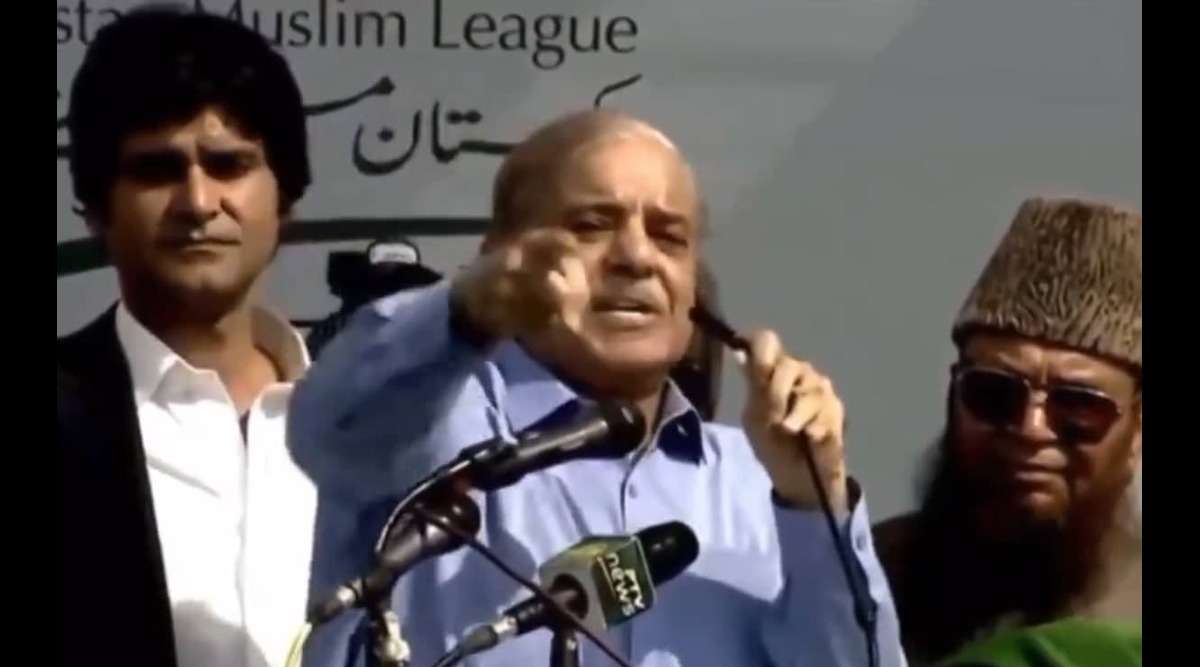
Pakistan’s Prime Minister, Shehbaz Sharif, recently made headlines with a bold declaration during a public rally in Dera Ghazi Khan. He passionately stated that if Pakistan does not outpace India in terms of economic development, his name shall cease to exist. This statement has ignited heated discussions across social media and political platforms, raising questions about the implications of such claims in a country grappling with economic challenges.
What Is The Context of the Statement ?
Shehbaz Sharif’s comments came during a visit aimed at addressing the economic and social concerns of the Pakistani populace. While he assured citizens of his government’s commitment to improving their lives, his dramatic declaration about his name drew both attention and skepticism. The Prime Minister, known for his animated speeches, was seen fervently gesturing and promising to work tirelessly for Pakistan’s advancement. However, many have questioned the feasibility of his lofty promises, given the country’s current economic climate.
Economic Challenges Facing Pakistan
Pakistan has been facing significant economic hurdles in recent years. A massive international debt burden has led to austerity measures that have impacted public services and infrastructure development. The country’s economy has been under strain, with inflation soaring and unemployment rates climbing. In light of these challenges, Sharif’s statements could be viewed as either a rallying cry for national pride or a risky gamble that might backfire if results do not follow.
The Reaction from the Public and Critics
Following his bold claims, social media was ablaze with reactions. Critics pointed out that while the Prime Minister’s enthusiasm is commendable, the lack of concrete actions to back his promises is concerning. Many users on platforms like X (formerly Twitter) mocked his claims, suggesting that they were merely tall tales lacking substance. This backlash highlights the skepticism prevalent among the public, who are eager for tangible improvements rather than grandiose promises.
A Call for Dialogue with India
Interestingly, just days before his dramatic speech, Shehbaz Sharif had called for a resumption of dialogue with India. This juxtaposition raises questions about Pakistan’s diplomatic stance and the complexities of its relationship with its neighbor. India’s response has been clear: for talks to resume, Pakistan must take serious steps to combat terrorism. This condition adds another layer to Sharif’s promises—can he truly focus on economic growth while navigating the contentious political landscape with India?
The Path Forward
So, what does the future hold for Pakistan under Shehbaz Sharif’s leadership? The Prime Minister’s fervent promise to outpace India might resonate with nationalistic sentiments, but the path to achieving such goals requires more than just words. It demands actionable policies, economic reforms, and a commitment to addressing the root causes of Pakistan’s financial struggles.
In conclusion, while Shehbaz Sharif’s declaration may inspire some, it is crucial for him to back his words with decisive actions. The people of Pakistan deserve leadership that not only speaks of ambition but also delivers results. As a citizen observing these developments, I find myself hoping for pragmatism over posturing, as the nation faces its most pressing challenges ahead.