

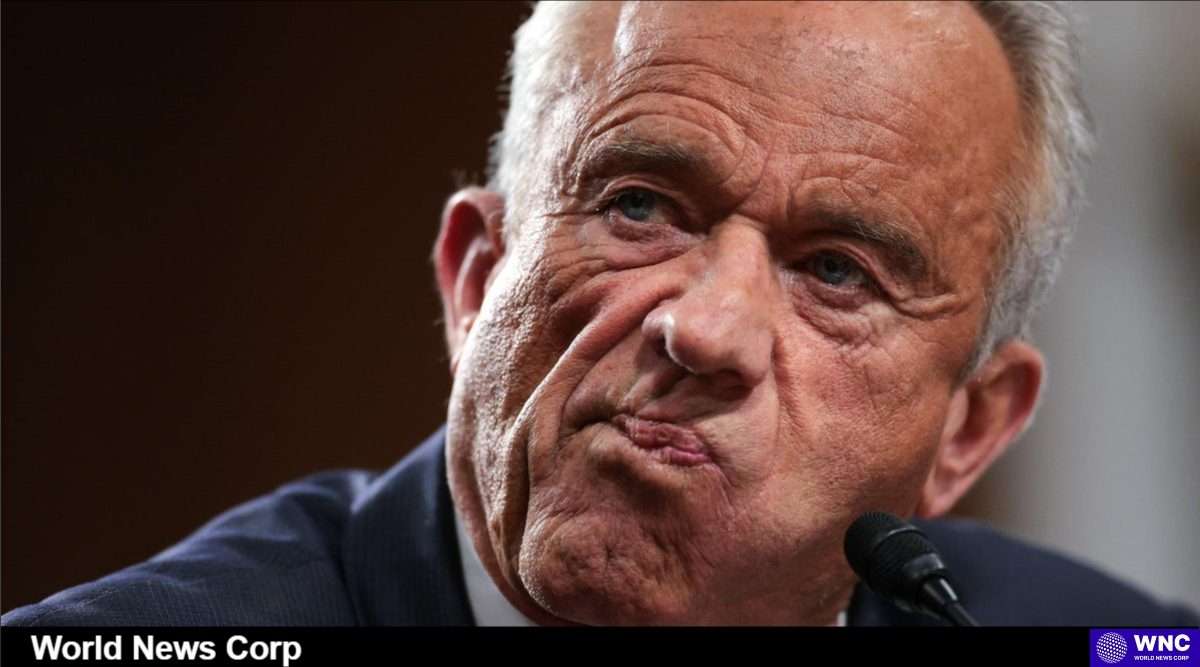
In a significant move that has raised both eyebrows and concern, Health and Human Services Secretary Robert F. Kennedy Jr. recently announced job cuts that affected around 10,000 employees within the department. This drastic measure was part of a restructuring initiative driven by the Department of Government Efficiency, or DOGE, led by Elon Musk. Although Kennedy aims to streamline operations, he acknowledged that approximately 20% of the cuts were miscalculations that would need rectifying.
How Do Workforce Reductions Affect Public Health?
The ramifications of these cuts are far-reaching, particularly in the realm of public health. For instance, the elimination of the Centers for Disease Control and Prevention’s (CDC) Lead Poisoning Prevention and Surveillance Branch has raised alarms among public health officials. This branch played a critical role in monitoring lead exposure levels in children and spearheading prevention efforts across the nation. According to Erik Svendsen, the director of the former division, the cessation of their work halted vital investigations, including one ongoing in Milwaukee concerning lead in public schools. “Without us, there is no other unit at the federal level that is here to support local health departments,” Svendsen stated, emphasizing the dire need for reinstatement.
The Future of Affected Programs
Kennedy’s comments suggest that some of these critical programs may be reinstated. However, the specifics remain unclear. During a recent press conference, he noted, “We’re going to do 80% cuts, but 20% of those are going to have to be reinstated, because we’ll make mistakes.” This raises an essential question: which programs will be prioritized for reinstatement, and when will those decisions be made? The uncertainty surrounding these announcements has left many officials, like Milwaukee’s Commissioner of Health, Mike Totoraitis, feeling anxious about the future. With ongoing public health crises looming, the urgency for the reinstatement of these roles is palpable.
Lessons from Previous Cutbacks
Interestingly, this isn’t the first time the federal government has faced backlash over job cuts. In earlier rounds of layoffs, many employees from the CDC and FDA were brought back after initial terminations. This pattern begs the question about the efficacy of such sweeping changes. While Kennedy has stressed that essential services will remain untouched, the reality on the ground paints a different picture. With public health issues like lead exposure being swept up in the cuts, communities are left to grapple with the consequences.
Real-World Implications
The immediate implications of these cuts cannot be overstated. The cancellation of an Epi-Aid investigation in Milwaukee, for instance, highlights the risks posed by losing specialized expertise. Officials had been counting on the CDC’s lead surveillance team to assist in examining hazardous conditions in schools. As Totoraitis put it, “This is just one issue area that affects the health of US residents here, not just lead. There’s plenty of other sections within the CDC that were eliminated that we’re still trying to sift through and understand how that’s going to impact the work here on the ground.”
Conclusion: A Call for Transparency
As the situation develops, a critical call for transparency and communication from HHS is evident. Public health is a collective responsibility, and the repercussions of these cuts will be felt at the community level. It’s imperative that Kennedy and his team provide clear timelines for reinstatement and ensure that essential services are not further compromised. The health of our nation hangs in the balance, and stakeholders at all levels must work together to navigate this challenging landscape.