

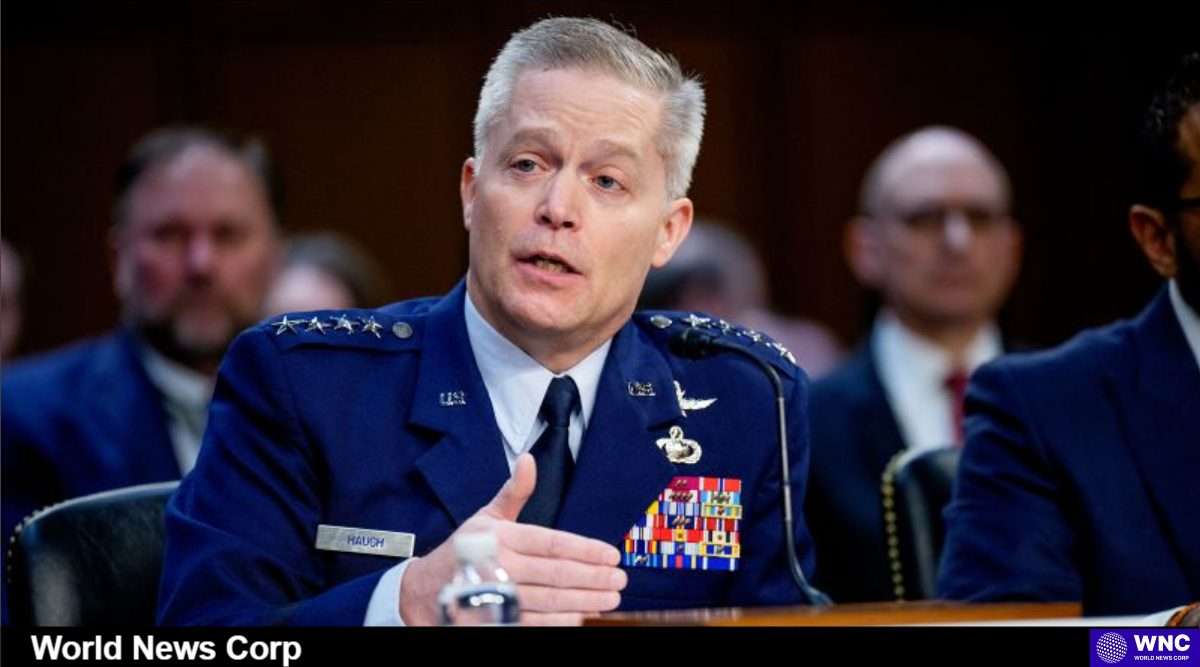
The recent firing of General Timothy Haugh, director of the National Security Agency (NSA), along with his deputy Wendy Noble, has sent shockwaves through the intelligence community. This significant shift in leadership raises questions about the future of U.S. cybersecurity operations and national security.
Wendy Noble’s: What Led to the Dismissals?
While the exact reasons for the firings remain unclear, some insiders suggest that a culture of loyalty to President Donald Trump played a crucial role. Far-right activist Laura Loomer reportedly urged the president to purge officials she deemed disloyal during a meeting in the Oval Office. This atmosphere of fear and uncertainty has left many officials within the Defense Department concerned about their job security. As someone who has followed cybersecurity trends, it’s alarming to see vital roles in such agencies being reshuffled based on perceived loyalty rather than competence.
The Role of the NSA and Cyber Command
The NSA is one of the United States’ most formidable intelligence agencies, focusing on signals intelligence and cybersecurity. Under Haugh’s leadership, the agency played a pivotal role in counteracting foreign cyber threats, including Russian interference in the 2018 midterm elections and Iranian cyber operations in the 2020 elections. Wendy Noble, as Haugh’s deputy, was integral in these efforts, overseeing critical operations that helped safeguard American interests. The ousting of such experienced leaders raises concerns about the effectiveness of U.S. cybersecurity efforts moving forward.
Responses from Lawmakers
The dismissals sparked immediate backlash from congressional leaders. Senator Mark Warner and Representative Jim Himes expressed their deep concerns, highlighting the dangers posed by removing experienced leaders during a time of increasing cyber threats. Warner questioned how firing Haugh, a leader with over 30 years of service, could enhance national security. Himes echoed these sentiments, calling Haugh an honest leader committed to putting national security first. As a citizen, I share their concerns; it’s crucial for the U.S. to maintain stability within its intelligence community, especially in such turbulent times.
Potential Consequences for National Security
Experts in cybersecurity have labeled the firings as alarming, suggesting that the sudden change in leadership could expose the nation to new risks. Renée Burton, a former NSA cybersecurity expert, emphasized that replacing leaders with such established credibility won’t be easy. The continuity and expertise that Haugh and Noble brought to the table were essential in navigating the complexities of modern cyber threats. The potential for a leadership vacuum could weaken the U.S. response to ongoing cyber incursions.
Conclusion: A Call for Transparency
The unexpected dismissals of General Haugh and Wendy Noble call for greater transparency within the Trump administration regarding personnel changes. As the nation faces an ever-evolving threat landscape, it is vital to prioritize stability and competence in key leadership positions within our intelligence agencies. I believe the American people deserve to know the rationale behind such significant decisions, as this directly impacts national security and public trust in our intelligence community.