
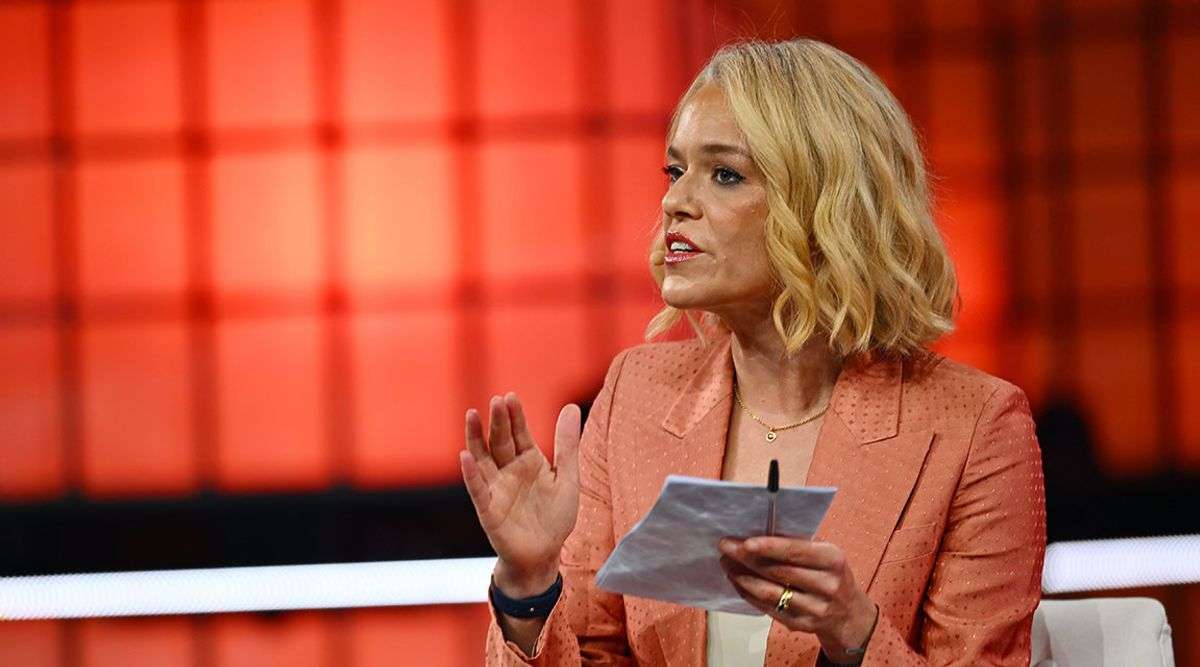
As Katherine Maher prepares to testify before Congress, the spotlight is firmly on NPR and its leadership. With mounting pressure from Republican lawmakers and a push for defunding public media, Maher’s past statements and actions are under intense scrutiny. In recent years, NPR has been accused of having a liberal bias, raising questions about the role of taxpayer funding in supporting what some see as a politically slanted news organization.
What Are the NPR Accusations?
The allegations against NPR are not new. Critics argue that the organization has drifted from its original mission of providing unbiased and balanced news. During her tenure, Maher has made several controversial statements, including comments about America’s relationship with white supremacy and her views on censorship and misinformation. These remarks have led to serious questions regarding her ability to lead an organization meant to serve a diverse audience. For instance, Maher’s admission that NPR’s leadership made mistakes in covering sensitive topics like the Hunter Biden laptop story has only fueled criticism.
The Political Landscape of Public Broadcasting
The current political climate is fraught with division, and public broadcasting is a battleground. Republicans have claimed that organizations like NPR and PBS push a radical left agenda. This sentiment was echoed during the recent congressional hearings, where Representative Marjorie Taylor Greene and others labeled NPR as an echo chamber for urban liberals. These accusations have serious implications for NPR’s funding, as legislators consider whether to continue taxpayer support for an organization they feel does not represent the interests of all Americans.
Real-World Implications of Defunding NPR
Should Congress take steps to defund NPR, the impact could be significant. NPR has a loyal listener base and provides critical news coverage, especially in rural areas where local news sources are scarce. The potential loss of funding could result in cutbacks to programming that serves a broad audience, including educational content for children and vital news coverage. Critics argue that defunding NPR would disproportionately affect communities that rely on public radio for information. Furthermore, it raises questions about the future of independent journalism in a polarized media landscape.
What’s Next for NPR and Public Media?
As Maher faces Congress, it’s clear that the future of NPR hangs in the balance. The organization must navigate these challenges while striving to maintain its mission of delivering accurate, informative, and unbiased news. The ongoing discussions about public media funding reflect larger societal debates about media bias, free speech, and the role of government in supporting journalism. Moving forward, NPR will need to address these concerns head-on, ensuring that it can continue to operate as a trusted news source in an era of increasing skepticism toward the media.
Conclusion: A Call for Balanced Discourse
In light of the current political climate, it’s essential for all stakeholders—lawmakers, journalists, and the public—to engage in meaningful dialogue about the future of public broadcasting. As we consider the implications of funding decisions, let’s prioritize a media landscape that values diversity of thought and representation across the spectrum. The hearings and debates surrounding NPR are not just about funding; they are about the future of our democratic discourse and the role of public media in shaping it.