

In an age where communication is instantaneous and often unsecured, the recent controversy surrounding the leaked Signal group chat involving the Trump administration raises significant questions about national security. The incident, which was discussed on Fox News’ The Will Cain Show, brought to light the vulnerabilities inherent in digital communication tools used by government officials.
What Led to Signal’s Controversy?
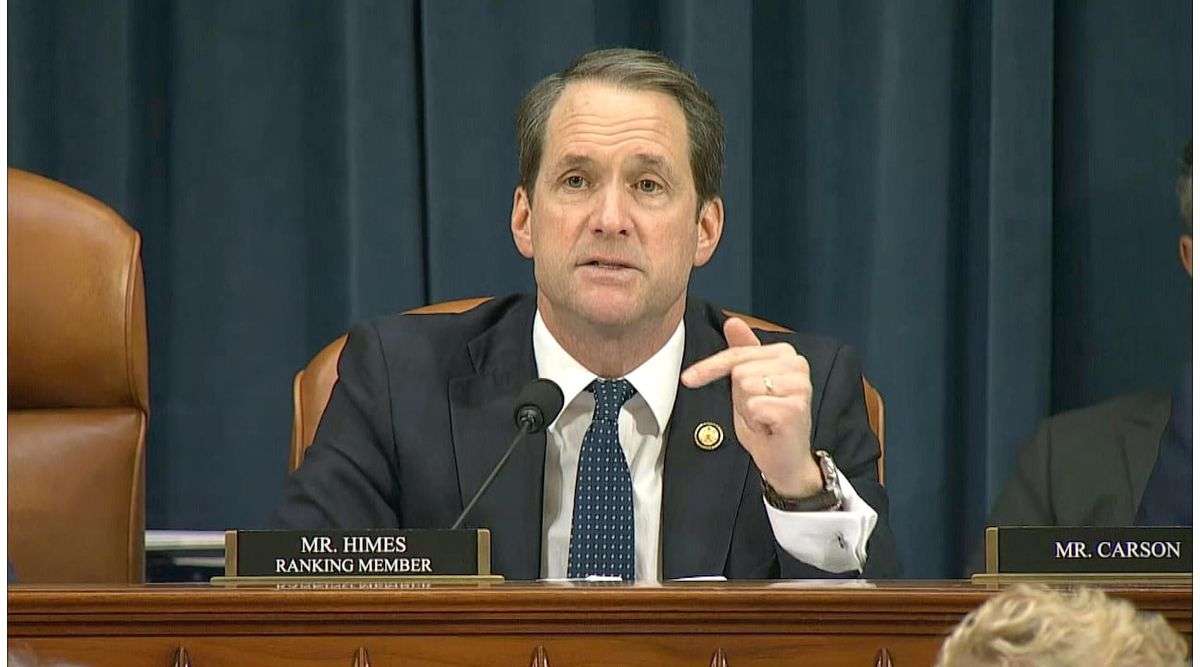
The leak, which included sensitive discussions on Houthi airstrikes, caught the attention of many, including Colorado Congressman Jim Himes, who expressed grave concerns over the potential implications. As he noted, had this information been intercepted by adversaries, it could have led to disastrous outcomes. The idea that U.S. rivals could have accessed such sensitive communications illustrates a crucial oversight in the protocols surrounding digital communication.
The Risks of Digital Communication in Government
Digital platforms like Signal are designed to provide privacy and encryption, but as we have seen, they are not infallible. The ease with which sensitive information can be shared in these chats can sometimes lead to carelessness. For instance, during the discussion on Fox News, Himes pointed out that the leak could have easily been exploited by foreign governments. This brings to light a fundamental question: Are we sacrificing security for convenience? The rapid pace of digital communication can sometimes obscure the risks associated with it, particularly for those in positions of power.
Real-World Implications of Leaked Information
When sensitive information leaks, it doesn’t just impact the individuals involved; it has a ripple effect on national security and public trust. For example, consider the exposure of military strategies or diplomatic communications that could compromise operations or negotiations. Such leaks can embolden adversaries and undermine the efforts of those working to maintain peace and security. The leaked Signal chat serves as a cautionary tale for all sectors, highlighting the need for enhanced security measures and protocols when dealing with sensitive information.
How Can We Mitigate the Risks?
To address these vulnerabilities, it’s essential for government officials to adopt more stringent communication practices. This includes regular training on digital security, the use of secure channels for sensitive discussions, and a culture of accountability when it comes to sharing information. Additionally, implementing multi-factor authentication and encrypted channels can significantly reduce the chances of such leaks occurring in the future.
Conclusion: A Call for Responsible Communication
As we navigate the complexities of the digital age, the incident surrounding the Signal chat leak reminds us of the importance of maintaining secure communication practices, especially within government. With national security at stake, it is crucial for officials to prioritize the integrity of their communications. The future of secure digital communication depends on our ability to learn from past mistakes and implement the necessary changes to protect sensitive information.
In conclusion, while digital communication tools offer convenience, we must not overlook the potential risks they pose. The call for responsible communication practices cannot be overstated. Let’s ensure that we prioritize security in our digital engagements, particularly when it comes to matters of national significance.