

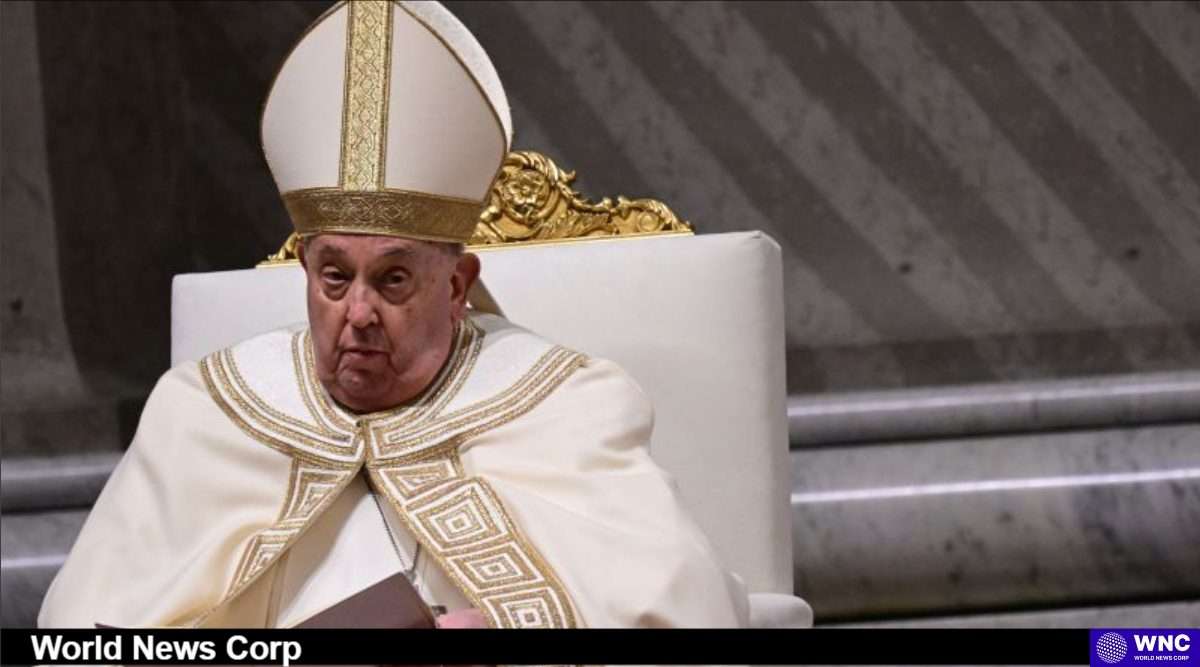
The recent announcement of Pope Francis's death has left a profound impact on millions around the globe. His passing marks not only the end of an era but also the beginning of a significant period of reflection on his life and contributions to the Catholic Church and society at large.
Pope Francis, born Jorge Mario Bergoglio in Buenos Aires, Argentina, in 1936, was the first Latin American pope in history. His rise to the papacy was a remarkable journey that highlighted his commitment to social justice, humility, and reform within the Church. During his tenure, he became well-known for advocating for the marginalized and for his progressive stance on various issues, including climate change and social inequality.
As we reflect on his life, it’s essential to recognize the transformative influence he had on the Catholic Church. One of his most notable achievements was his focus on reforming the Church's image and policies, particularly in addressing clerical abuse and financial corruption. His calls for a more compassionate approach to issues such as divorce and LGBTQ+ rights were groundbreaking and often met with resistance from traditionalists.
Moreover, Pope Francis's commitment to interfaith dialogue and peacekeeping efforts was commendable. He worked tirelessly to bridge gaps between different faiths, advocating for mutual respect and understanding. His emphasis on mercy and forgiveness struck a chord with many, allowing individuals to feel welcomed in the Church, regardless of their backgrounds or pasts.
The announcement of his death at 88 years old came as a shock to many, especially following his recent public appearances during the Easter celebrations. It is indeed poignant that he departed during a season that signifies new beginnings and hope. This timing invites us to remember his teachings about life and renewal, which he emphasized throughout his papacy.
In the days following his passing, the Vatican will enter a period of mourning and reflection. The process of selecting a new pope will commence, following the traditional rites outlined for such occasions. This will include the Novendiales, a nine-day mourning period, leading up to his funeral, where his legacy will be celebrated.
As we honor the memory of Pope Francis, it's crucial to consider how we can carry forward his vision of a more inclusive and compassionate Church. His legacy will undoubtedly influence future generations of Catholics and non-Catholics alike, reminding us of the importance of empathy, service, and love in our communities.