

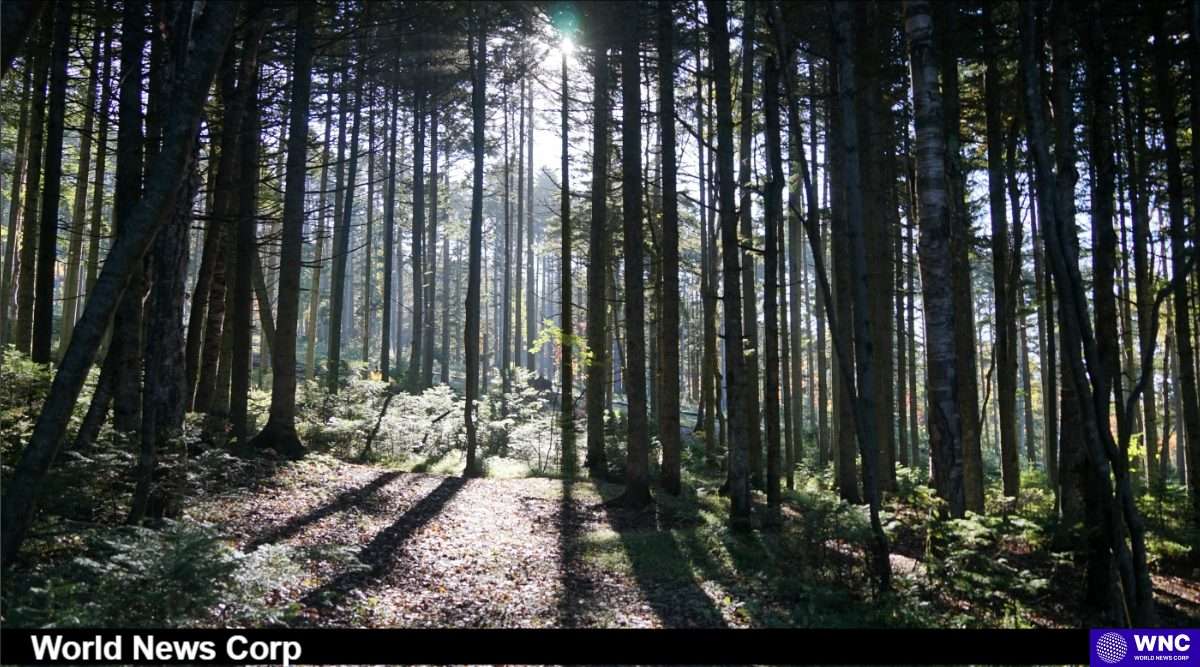
As we approach Earth Day 2025, a global movement is gathering steam, emphasizing the theme “Our Power, Our Planet.” This year’s celebration underscores the urgent need for education, advocacy, and community support to combat rising environmental challenges. Climate experts warn that nations are lagging behind in meeting their commitments from the 2015 Paris Agreement, with the United Nations Environment Programme indicating that current efforts to reduce emissions are insufficient. The impact of climate change is a pressing reality; we see it in our ecosystems, wildlife, and communities.
What are local initiatives, and how do they contribute to community development?
In the face of global inaction, grassroots movements are stepping up. For instance, the Buy Nothing Project, which began as a small Facebook group in 2013, has expanded into a global network. It encourages members to give away and share items they no longer need, transforming traditional consumer habits into a culture of sharing and sustainability. Liesl Clark, one of the founders, explains that this initiative not only reduces waste but fosters community connections. “What happens is, just that kind of dopamine, that feel-good experience spurs others to participate,” she shares.
Another example is Stick Nation, founded by Boone Hogg and Logan Jugler, who celebrate nature by sharing videos of unique sticks. They have mobilized a community of millions to raise funds for environmental nonprofits during Earth Month. Hogg emphasizes, “Sticks come from trees, you can’t have sticks without trees. So we need more trees.” Their efforts highlight the creative ways in which communities can engage with environmental issues.
Educational Outreach and Sustainable Practices
Education plays a vital role in fostering environmental stewardship. DePhane Marcelle Weaver’s organization, Garden Exchange Stands Org, promotes sustainable gardening practices through community plant stands. These stands allow individuals to exchange plants, seeds, and gardening knowledge, empowering them to grow their own food amidst rising grocery prices. Weaver notes, “Growing your own food is the ultimate way to eat locally and sustainably.” Such initiatives enhance food security and inspire individuals to take actionable steps toward sustainability.
The Role of Local Governments
Local governments are also recognizing their responsibility in environmental conservation. In Santa Fe County, officials are organizing Earth Day events that include tree giveaways and community cleanups, demonstrating a commitment to preserving natural resources. Commissioner Adam Fulton Johnson highlights the importance of collective action, stating, “Humankind is facing tremendous global challenges affecting every community.” By supporting local initiatives and encouraging citizen participation, governments can play a pivotal role in fostering a more sustainable future.
Looking Ahead: The Future of Environmental Activism
As we gear up for Earth Day 2025, it’s crucial to remember that every small action counts. Whether participating in a local cleanup, sharing resources through community networks, or advocating for policy changes, individuals can contribute to a larger movement toward environmental sustainability. The challenges we face are significant, but they also present opportunities for innovation and collaboration. Let’s harness our collective power to protect our planet and ensure a healthier, more sustainable world for future generations.