

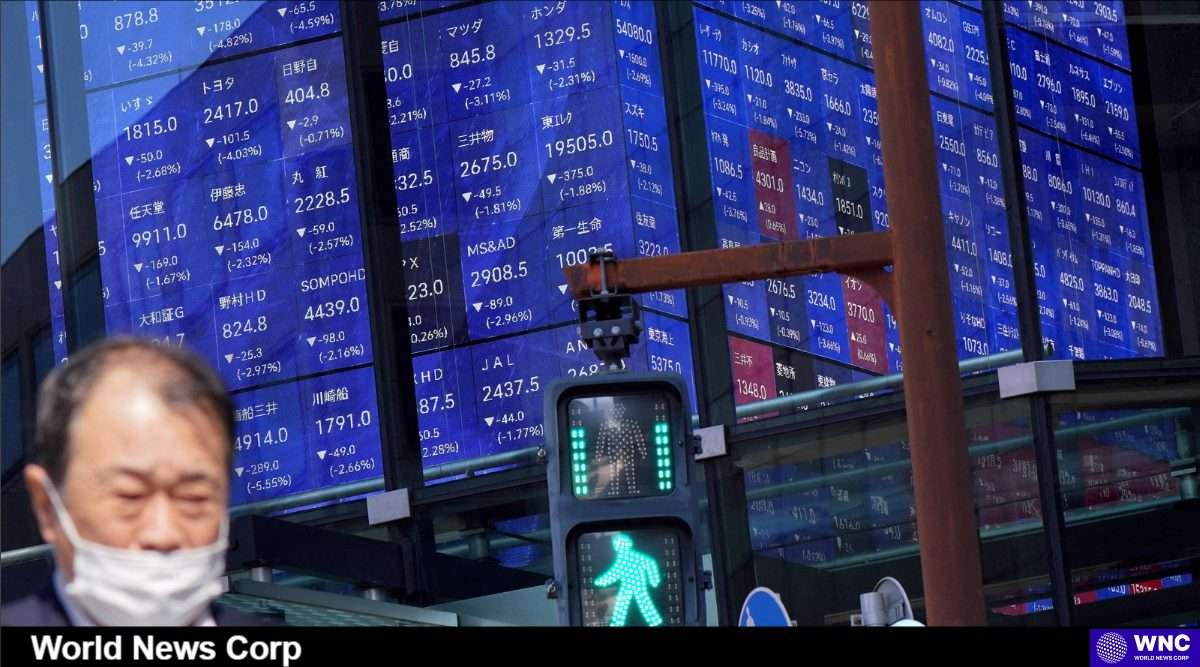
In recent weeks, the global stock market has seen significant turbulence, with Asian markets, particularly the Nikkei Index in Japan, facing sharp declines. The Nikkei 225 has been a focal point of this sell-off, reflecting broader concerns about economic stability in the region and the impact of international trade tensions. As I observed the fluctuations, it became clear that understanding these dynamics is crucial for investors and analysts alike.
Nikkei Index: What Does It Mean for Global Markets?
On multiple occasions, the Nikkei 225 has triggered circuit breakers, a regulatory measure designed to pause trading during extreme market volatility. This automated response was recently activated when the Nikkei fell by over 8%, highlighting the nervousness in the market. Such drastic movements often signal underlying economic distress or investor panic. The Japanese stock market’s decline has not occurred in isolation; it is part of a larger narrative that includes the performance of other Asian markets, such as the Hang Seng Index in Hong Kong and the CSI 300 in mainland China. During a recent trading session, the Hang Seng Index fell by over 10%, underscoring the interconnected nature of these markets.
The Global Ripple Effect
The sell-off in Japan and other parts of Asia can be traced back to increasing fears surrounding a potential global recession. As U.S. President Donald Trump’s tariffs continue to loom over international trade, investors have reacted by pulling back from equities, leading to significant losses across the board. For instance, the S&P 500 in the U.S. experienced a sharp decline of 5.5%, which also influenced sentiments in Asia. The rising geopolitical tensions and trade wars have created a risk-off environment, pushing investors toward safer assets such as bonds and gold.
Real-World Examples of Market Reactions
To illustrate the real-world implications of these market movements, let’s consider the case of Japanese companies heavily reliant on exports. Firms like Toyota and Sony have seen their stock prices tumble as uncertainty over trade agreements impacts their earnings outlook. Moreover, technology giants in Taiwan, such as TSMC, have also suffered, with their shares declining as investors reassess the viability of their growth strategies amid a potential slowdown in demand.
Actionable Insights for Investors
For investors navigating this precarious landscape, staying informed is paramount. Here are a few actionable insights:
- Diversify Your Portfolio: Given the volatility in Asian markets, consider diversifying your investments across different sectors and regions to mitigate risks.
- Watch Global Economic Indicators: Pay attention to economic indicators such as GDP growth rates, unemployment figures, and trade balances, as these will provide insights into overall market health.
- Stay Updated on Policy Changes: Regulatory changes, especially related to trade policies, can significantly influence market movements. Keeping abreast of announcements from key economic powers can help in making informed investment decisions.
Conclusion: The Path Forward
As the Nikkei Index continues to face pressures from both domestic and international fronts, it is crucial for investors to adopt a cautious yet proactive approach. The interplay between geopolitical events and market dynamics will likely shape the landscape of Asian markets in the near future. By understanding the factors driving these changes, investors can better position themselves to navigate the choppy waters of the global economy.