
As global markets react to escalating trade tensions, the Nikkei and Hang Seng indices have become focal points for investors and analysts alike. The recent turmoil, sparked by U.S. tariffs and retaliatory measures from China, has sent shockwaves through Asian markets, with the Nikkei 225 experiencing significant declines. This article delves into the implications of these market movements and what they mean for investors around the world.
How does the Nikkei Index reflect market sentiment and investor confidence?
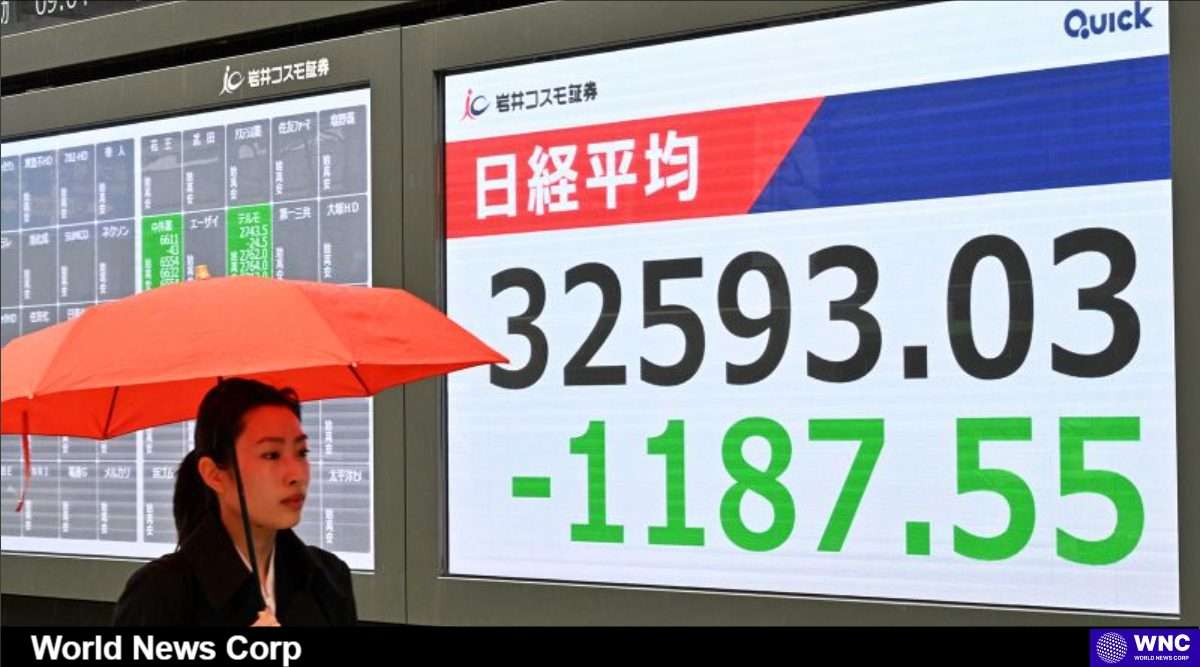
The Nikkei 225, Japan’s premier stock index, serves as a barometer for market sentiment, reflecting the health of the Japanese economy and, by extension, the broader Asian markets. Recently, the index plunged nearly 9%, marking its lowest point since October 2023. This dramatic fall was influenced by fears of a global recession stemming from the ongoing trade war initiated by the Trump administration. Analysts have noted that a sustained downturn in the Nikkei could signal broader economic challenges not just for Japan, but for Asia as a whole.
The Hang Seng Index: Hong Kong’s Economic Pulse
Simultaneously, Hong Kong’s Hang Seng Index faced a steep decline, dropping over 10% in early trading sessions. The Hang Seng serves as an important indicator of investor confidence in Hong Kong and its economic ties to mainland China. With China retaliating against U.S. tariffs, the impact on Hong Kong’s market has been profound. This decline raises concerns about the potential for a recession in the region, as the Hang Seng’s performance is often closely linked to the stability of the Chinese economy.
Real-World Examples: The Ripple Effect
The repercussions of these market declines are not limited to Asia. For instance, as the Nikkei fell, so did the Australian market, which experienced losses exceeding 6%. Investors are increasingly worried about the interconnectedness of global markets, where a dip in one region can lead to a domino effect across the globe. Companies like Samsung and Apple, which rely on Asian manufacturing, are also feeling the pinch as stock prices fluctuate.
Actionable Insights for Investors
For investors, the current climate presents both risks and opportunities. One actionable insight is to diversify portfolios to mitigate exposure to volatile markets like those represented by the Nikkei and Hang Seng. Additionally, staying informed about geopolitical developments is crucial. While the situation may seem dire, markets often recover, and investors who position themselves wisely can benefit from eventual rebounds.
Conclusion: What Lies Ahead
As we look to the future, the potential for further declines remains, especially if trade tensions escalate. However, history shows that markets can rebound after tumultuous periods. Investors should remain vigilant and proactive, keeping a close eye on the performance of indices like the Nikkei and Hang Seng as they navigate these uncertain waters. Understanding the dynamics at play will be key in making informed investment decisions in the months to come.