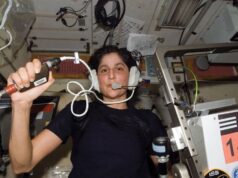

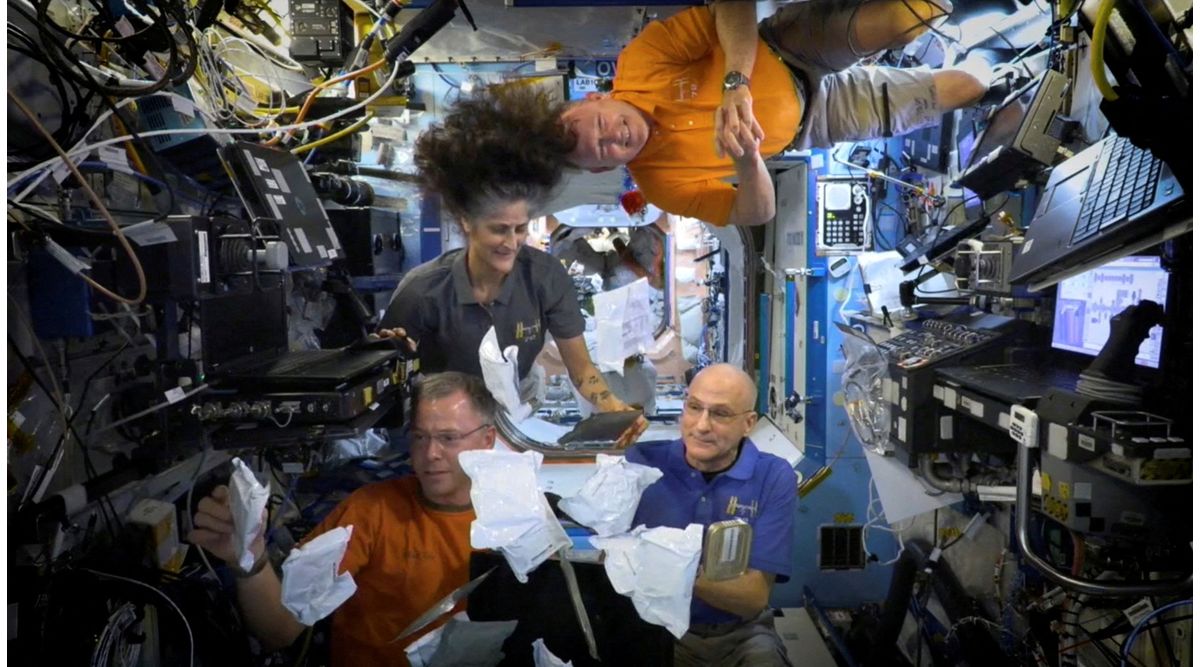
Amidst the vastness of space, two astronauts, Suni Williams and Butch Wilmore, have found themselves at the International Space Station (ISS) far longer than anticipated. Initially intended to be a short mission, their stay has stretched to nine months due to a series of technical faults with the Boeing Starliner capsule that was supposed to bring them back home. As a space enthusiast, I can only imagine the mix of emotions these astronauts must be feeling, from excitement about their upcoming return to Earth to the weight of their extended mission.
How did this entire situation unfold?
The saga began when Suni and Butch arrived at the ISS in June, intending to stay for just a week. However, complications with the Starliner capsule led NASA to make the difficult decision to extend their stay. As someone who follows space exploration closely, it’s intriguing to see how quickly plans can change in such a dynamic environment. NASA then made arrangements for their return aboard a SpaceX capsule, but even that plan faced hurdles due to weather conditions on Earth.
The Crew-10 Mission: A Lifeline in Space
On March 14, SpaceX launched Crew-10, a new team of astronauts, to the ISS. This mission is critical not only for Suni and Butch’s return but also for ongoing research aboard the space station. The Crew-10 mission, which includes NASA astronauts Anne McClain and Nichole Ayers, alongside Japanese and Russian astronauts, aims to conduct scientific studies that could benefit future space exploration. As the launch unfolded, I couldn’t help but feel a surge of hope for the returning astronauts, knowing they would soon be reunited with their colleagues and, ultimately, return home.
The Road Ahead: Preparing for Return
As the new crew arrives, Suni and Butch will begin their preparations for departure. They are expected to leave the ISS two days after Crew-10’s arrival, contingent on favorable weather conditions for their splashdown off the coast of Florida. The complexity of space missions is fascinating; every detail, from docking procedures to weather assessments, plays a crucial role in ensuring the astronauts’ safe return. I often wonder how they manage the psychological aspects of such an extended stay away from home.
The Importance of Crew Rotation
This situation highlights the importance of regular crew rotations to maintain a functional and productive environment aboard the ISS. The continuous presence of astronauts allows for ongoing research and experimentation, essential for future missions, including those aimed at lunar exploration. The collaboration between NASA and SpaceX has been a game-changer, enabling more frequent crew rotations and enhancing the capabilities of space missions.
Reflections from the Astronauts
As we await the return of Suni Williams and Butch Wilmore, it’s essential to reflect on their incredible journey. Their resilience and adaptability in the face of unexpected challenges are qualities that inspire many. The astronauts have not only contributed to scientific research but have also become symbols of human endurance and exploration. I find it awe-inspiring to think about how their experiences in space will shape our understanding of long-duration missions, especially as we look toward Mars and beyond.
In conclusion, the upcoming return of these astronauts marks a significant moment not just for them but for the future of space exploration. Their story serves as a reminder of the complexities and unpredictabilities of space travel. As we continue to push the boundaries of human capability, the lessons learned from their extended stay at the ISS will undoubtedly guide future missions, ensuring that we are better prepared for the challenges that lie ahead.