
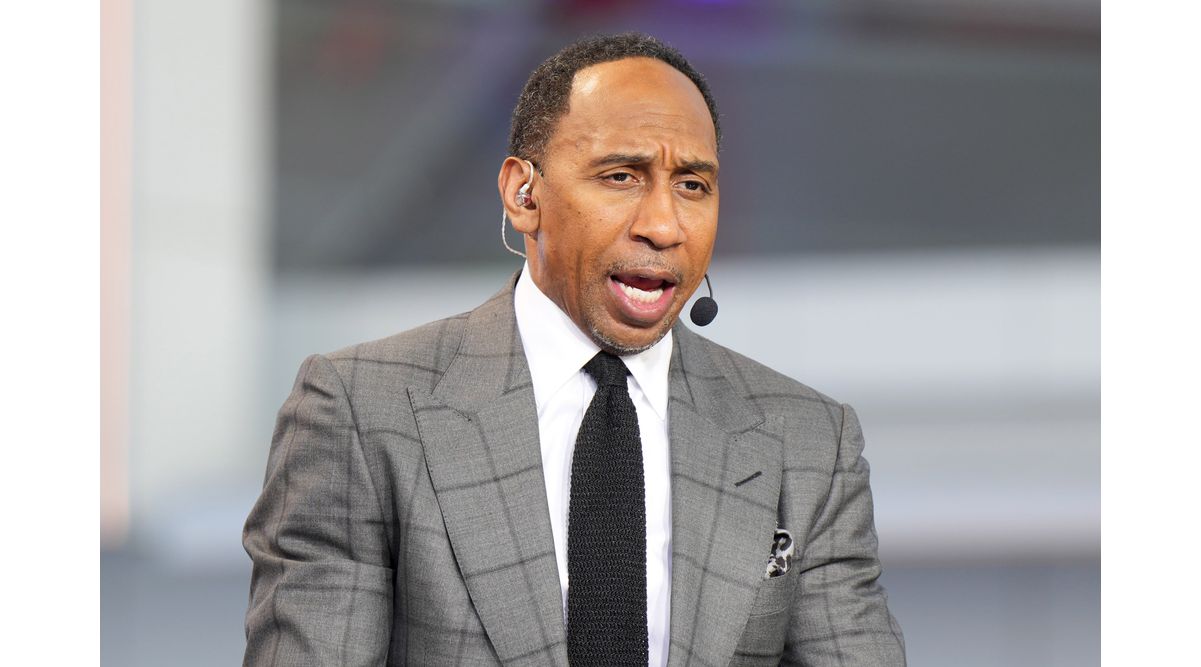
In a surprising turn of events during a recent Los Angeles Lakers game, ESPN’s Stephen A. Smith found himself at the center of a heated exchange with NBA superstar LeBron James. This incident, which occurred during the Lakers’ victory over the New York Knicks, has sparked conversations about the intersection of sports commentary and personal relationships, especially when family is involved.
What are the key factors and historical background that led to the confrontation, including causes, conflicts, and stakeholders involved?
For context, Smith has been outspoken about Bronny James, LeBron’s son, and his entry into the NBA. Many have criticized the younger James for his limited playing time and the perception that his father’s fame has influenced his career trajectory. Smith, in particular, has been vocal about the notion that Bronny’s NBA presence is largely due to his father’s legacy rather than his own merit. This perspective led to LeBron’s intense response, as he confronted Smith courtside, demanding that he ‘stop messing with my son.’
It’s not every day that a sports commentator is confronted by a player, let alone a high-profile athlete like LeBron. But, as Smith explained on ESPN’s “First Take,” the confrontation felt more like a father protecting his son than a player defending his reputation. “That wasn’t a basketball player confronting me. That was a parent. That was a father,” Smith emphasized, outlining the emotional weight behind LeBron’s words.
The Dynamics of Sports Commentary
Smith’s critique of Bronny James had previously led to a series of discussions, not just among fans, but also within the sports media community. Many commentators often walk a fine line between providing insightful analysis and respecting the personal lives of the athletes and their families. In the world of sports, where emotions run high, it’s crucial to remember that players are not just figures on a court; they are also parents, siblings, and friends.
In this case, LeBron’s approach to Smith was indicative of a growing sentiment among athletes. They are increasingly willing to defend their families against perceived slights. Smith mentioned that at first, he was taken aback by the unexpected confrontation. “I had no idea everybody saw it until I woke up this morning,” he remarked. This incident highlights the power of social media in amplifying moments that were once contained within the confines of the arena, making them accessible to millions.
Navigating Personal Relationships in Sports
While Smith maintains that he stands by his original comments regarding Bronny, he also acknowledged the difficulty of the situation. The emotional stakes for LeBron, as a father, were evident, and it’s clear that the NBA star felt a deep sense of responsibility to protect his son. Smith noted that he would have preferred a private conversation to air grievances, emphasizing the importance of communication in resolving conflicts.
In a world where every action can be captured and scrutinized, it’s essential for both commentators and athletes to remember the human element involved. After all, at the end of the day, communication and understanding can often bridge the gap between personal feelings and professional opinions.
Conclusion: Finding Common Ground
As Smith and LeBron navigate their relationship moving forward, it’s a reminder of the complexities involved in sports commentary and the personal connections that intertwine with professional lives. For fans, this incident serves as a lesson in empathy, urging us to consider the perspectives of both the commentators who analyze the game and the players who live it. In the end, respect for one another’s roles can lead to a healthier dialogue about sports, family, and the pressures that accompany both.