

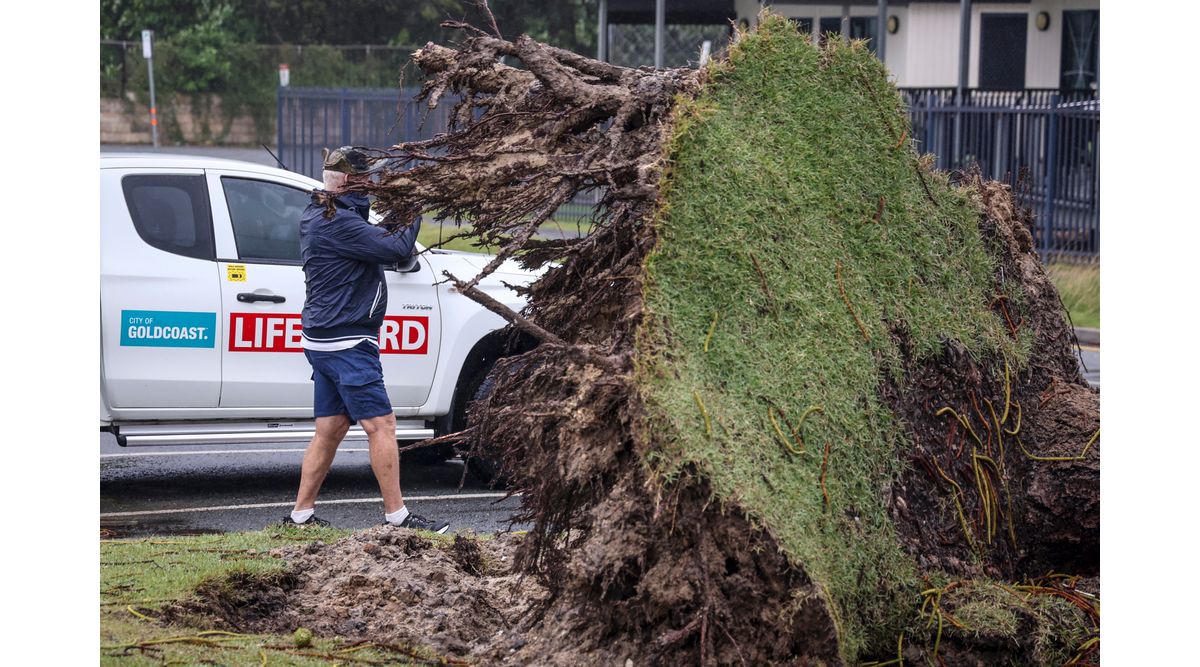
As Tropical Cyclone Alfred churns off the coast of Queensland, the repercussions are already being felt deeply within the community. More than 1,000 schools across southeast Queensland have closed their doors, including many in Brisbane. This unprecedented response is not just about ensuring the safety of students and staff; it reflects the broader challenges communities face during such natural disasters.
What are the main reasons behind school closures, including funding issues, low enrollment, teacher shortages, and public health concerns?
School closures are a common safety measure during severe weather. In Queensland, the impact of Cyclone Alfred has prompted local authorities to shut down educational institutions to protect students from potential dangers associated with high winds and flooding. Queensland Premier David Crisafulli emphasized the importance of these closures in a press conference, stating that safety must always come first. The decision to close schools is made with input from meteorological data and safety assessments by local government bodies.
The Aftermath of Flash Flooding
With Cyclone Alfred bringing heavy rain and flash flooding, Brisbane residents are on high alert. Reports indicate that many areas are already experiencing significant water accumulation, which poses risks not only to power lines but also to the infrastructure of the schools. Energex has been actively monitoring power outages across the region, with thousands of households left without electricity as the cyclone makes landfall. The Energex outage map reveals a troubling picture for many communities, especially those near water bodies prone to flooding.
Community Resilience in Challenging Times
What’s remarkable, though, is how communities rally together in such trying times. During Cyclone Alfred, neighbors are helping each other prepare, sharing resources, and ensuring that families are equipped to handle the storm. This sense of solidarity is crucial, especially when evacuation orders are in place, and residents are advised to stay indoors. It’s a testament to the resilience of Queenslanders, showcasing their ability to support one another when faced with adversity.
Looking Ahead: What’s Next for Queensland Schools?
As Cyclone Alfred continues its path, school administrators are already strategizing about how to resume normal operations once it is safe. This includes assessing any potential damage to school buildings and ensuring that students can return to a secure environment. The Queensland Department of Education has outlined its emergency protocols, emphasizing communication with parents and staff about reopening timelines. As we look towards recovery, it’s essential to remember that the impacts of such weather events extend beyond immediate safety concerns; they also influence the mental well-being of students and staff.
Conclusion: Preparing for Future Cyclones
While Cyclone Alfred is currently wreaking havoc, it serves as a wake-up call for future preparedness. Communities are encouraged to develop emergency plans, invest in resources, and participate in local safety drills. Schools can also play a pivotal role in educating students about storm safety and preparedness strategies. In the end, while we cannot prevent cyclones from occurring, we can certainly improve our readiness to face them head-on. The lessons learned from Cyclone Alfred will undoubtedly shape how Queensland prepares for future natural disasters.