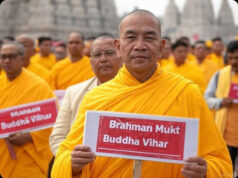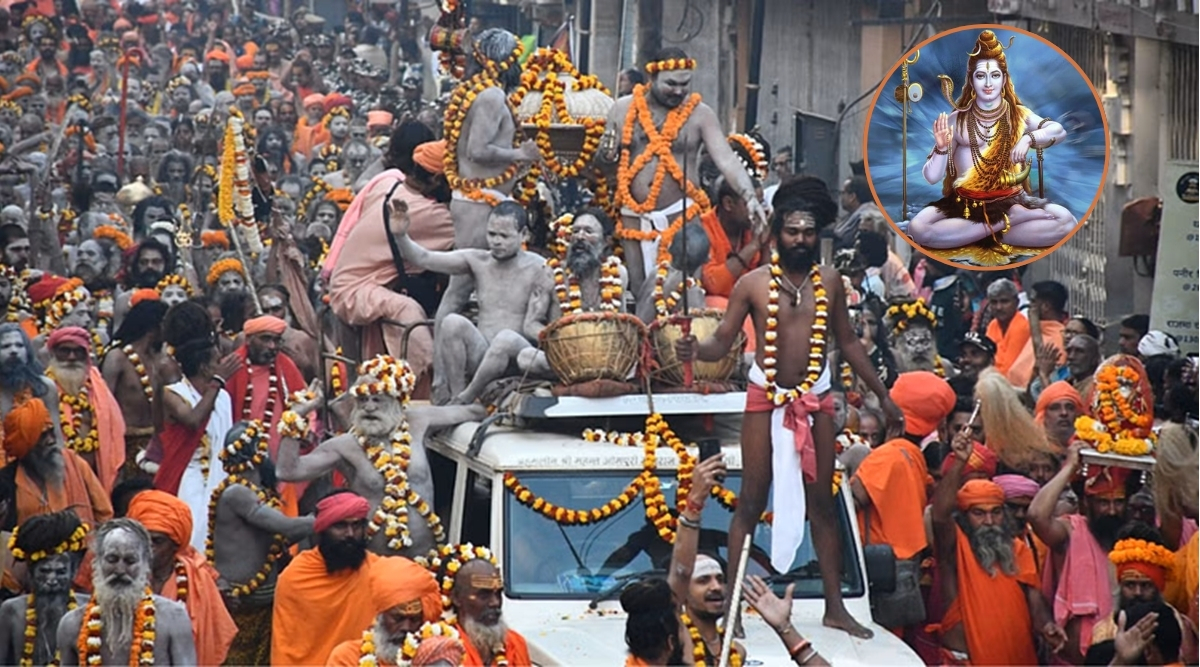

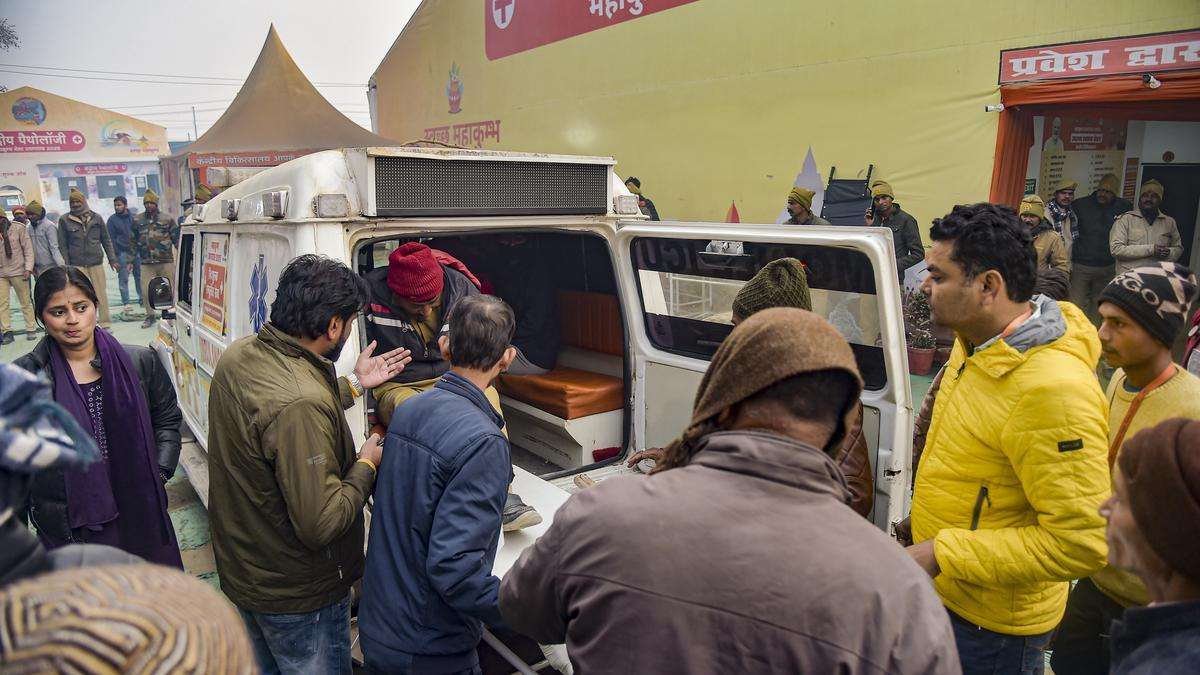
The Kumbh Mela, one of the world's largest religious gatherings, attracts millions of devotees seeking spiritual solace and communal unity. However, the recent stampede at the Prayagraj Kumbh Mela on Mauni Amavasya has raised pressing questions about crowd management and safety protocols at such a vast event. Understanding the factors that contributed to the stampede can offer critical insights for future gatherings, ensuring that the sanctity of this holy event is preserved without compromising the safety of its participants.
A Sacred Tradition Amidst a Modern Crisis
The Kumbh Mela is deeply rooted in Indian spirituality, where pilgrims believe that bathing in the sacred rivers cleanses them of sins. On January 29, 2025, during the auspicious occasion of Mauni Amavasya, an overwhelming influx of approximately ten crore devotees converged at the Triveni Sangam. The sight of thousands lined up for a holy dip is both breathtaking and daunting. Yet, the sheer volume of people poses significant risks, as highlighted by the unfortunate stampede that left multiple casualties and injuries.
The Trigger: What Went Wrong?
Reports indicate that a barrier broke under the pressure of the crowd, igniting panic among the devotees. Eyewitness accounts reveal that confusion and fear led to a surge, causing individuals to be trampled. Such incidents are not unique to the Kumbh; they occur worldwide during large events. Effective crowd control measures, including clear signage, designated pathways, and timely communication, are essential to prevent panic and chaos.
Learning from the Past: Historical Context
The tragedy at the Prayagraj Kumbh is not an isolated incident. A similar calamity occurred during the 1954 Kumbh Mela, resulting in hundreds of deaths. Despite the tragic history, incidents continue to occur, suggesting a persistent gap in crowd management strategies. Authorities must analyze these past events to refine safety protocols and implement more robust measures that prioritize the well-being of devotees while respecting their religious fervor.
The Role of Technology in Safety
In our contemporary world, technology can play a pivotal role in enhancing safety at large gatherings. Real-time data analytics can monitor crowd density, while mobile apps can provide attendees with safety updates and alternative routes. Moreover, employing drones for aerial surveillance can help manage crowds effectively, ensuring that authorities can respond promptly to any emergencies.
Government Accountability and Future Solutions
The aftermath of the Prayagraj stampede has sparked discussions about the accountability of local authorities. Political leaders, including Prime Minister Modi and Chief Minister Yogi Adityanath, have expressed their condolences and concern. However, mere statements are insufficient. There is a pressing need for a comprehensive action plan that includes regular drills, training for emergency responders, and collaboration with NGOs specializing in crowd safety.
Community Involvement: A Collective Responsibility
The responsibility of ensuring safety does not solely rest on the shoulders of the government. Local communities and organizations can play a vital role in educating participants about safety measures. Initiatives like community-led safety marshals and first-aid training for volunteers can create a safer environment for everyone involved in the Kumbh Mela.
Conclusion: Ensuring Safety Without Compromising Tradition
The Kumbh Mela represents more than a religious event; it embodies the essence of collective spiritual experience. As we reflect on the tragic stampede during the Prayagraj Kumbh, it is essential to prioritize safety while honoring the traditions that draw millions to this sacred event. By learning from this incident, we can work towards a Kumbh Mela that is both spiritually enriching and safe for all devotees.