
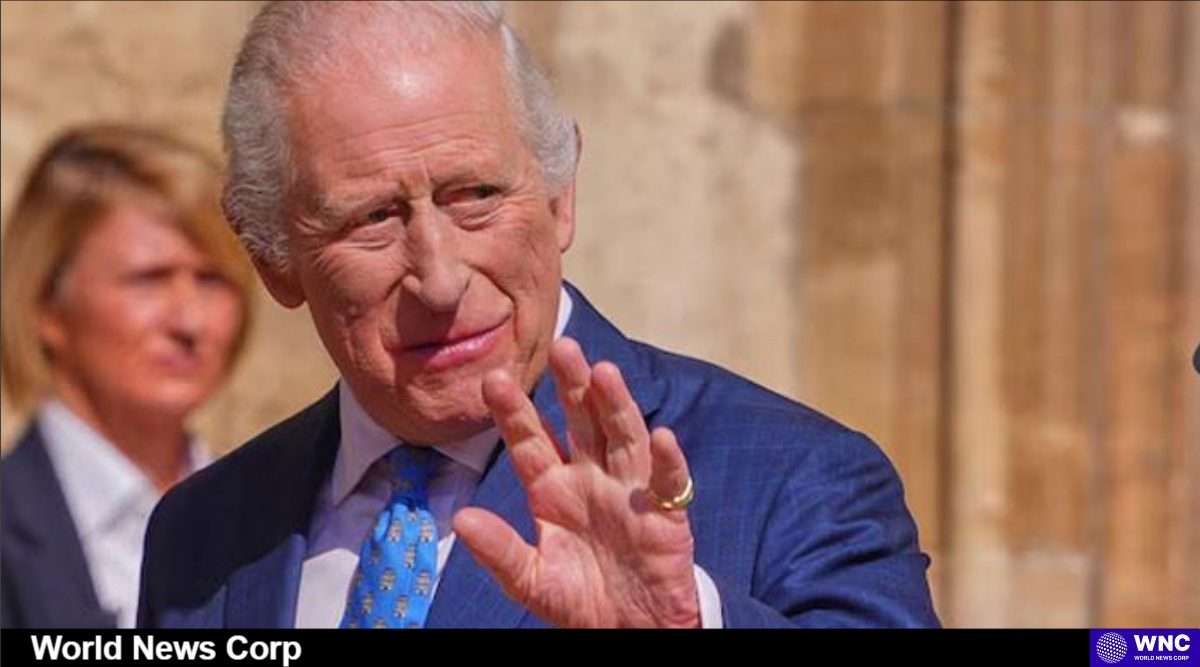
As we move into 2025, King Charles III is at a pivotal juncture in his reign, grappling with health concerns while simultaneously preparing for the future of the British monarchy. Recent reports indicate that Charles is embracing his role in ensuring a smooth transition of power to his son, Prince William. This comes amid conversations about his health, including ongoing cancer treatment and advice from his medical team to slow down. The burden of royal duties—often perceived as stifling—can be overwhelming, especially when compounded by health challenges.
What Role Does Health Play in Leading a Monarchy?
In an interview with Ingrid Seward, editor-in-chief of Majesty magazine, she expressed that King Charles has been conditioned to work tirelessly. The comment that he might be “a bit all over the place” when not working resonates with many, highlighting the challenges that come with his royal responsibilities. It’s worth noting that, as the monarch, he engages in numerous ceremonial duties, which can be exhausting, especially when battling fatigue from cancer treatment. The King’s reluctance to delegate speaks volumes about his commitment to the crown, yet it raises questions about his well-being.
Preparing for the Future: A Transition of Power
Sources close to the royal family suggest that Charles is becoming increasingly aware of the need to prepare for Prince William’s ascension to the throne. After a health scare that required hospitalization, Charles seems to have had a wake-up call regarding the importance of delegating responsibilities. The King’s recent state visit to Italy appears to have been a transformative experience, leading him to take more concrete steps toward ensuring a smooth transition. It’s clear that he is ready to invest time and effort into grooming William for future leadership, a significant shift in royal dynamics that many have been eagerly anticipating.
Real-World Examples of Transitioning Leadership
Historically, there are parallels in monarchies around the world where health issues have prompted shifts in power. For instance, King Juan Carlos of Spain gradually transferred responsibilities to his son, Felipe VI, as health issues arose. Such transitions can be tricky, but they also offer opportunities for renewal and modernization within the monarchy. In Charles’s case, his determination to prepare Prince William reflects a forward-thinking approach that honors tradition while adapting to contemporary realities.
The Role of Prince William and Kate Middleton
The evolving role of Prince William and his wife, Kate Middleton, is crucial in this transitional period. William’s upcoming representation of the royal family at significant events, such as the funeral of Pope Francis, underscores his growing responsibilities. As Charles steps back, the royal couple will likely find themselves at the forefront of royal duties, further solidifying their roles in the public eye. This transition could be beneficial for the monarchy, allowing it to resonate more with younger generations who seek a relatable royal family.
Conclusion: A Monarch’s Legacy
In conclusion, King Charles III is navigating a complex interplay of health issues and royal duties while preparing for the inevitable transition of power. His journey is not just about managing his health; it’s about ensuring that the monarchy evolves and remains relevant. As he embraces his role in guiding Prince William and Kate Middleton, the monarchy may emerge stronger and more unified, ready to face the challenges of the future. As we watch these developments unfold, it’s a reminder of the resilience and adaptability required to lead a nation.