

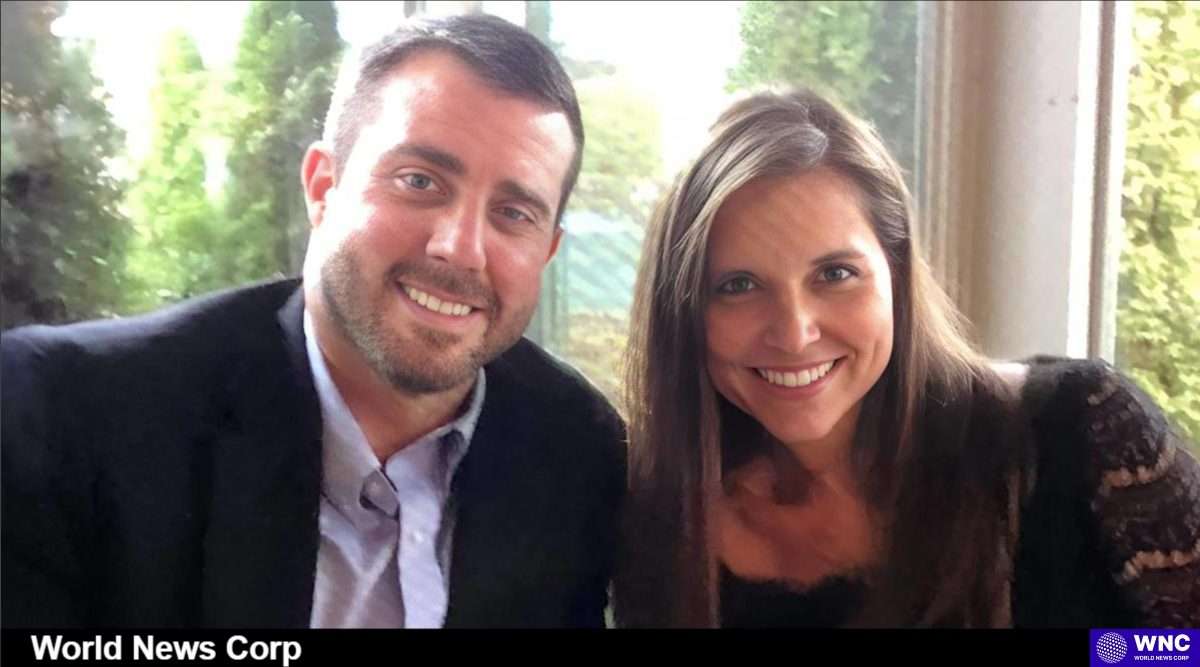
When we think about insulin, it’s often in the context of life-saving treatments for diabetes. However, as recent tragic events have shown, insulin can also become a weapon in the hands of those with malicious intents. The cases of Natalie Cochran and Reta Mays illustrate a dark side of this medication that many may not be aware of.
What Are Insulin Murders and How Do They Happen?
The shocking reality is that insulin, a drug that regulates blood sugar levels, has been implicated in several murder cases across the United States. Forensic pathologist Dr. Paul Uribe, who has investigated multiple insulin-related homicides, reveals that insulin overdoses can be challenging to detect. In instances where the drug has been used as a murder weapon, the symptoms can mimic natural medical conditions, making detection difficult for emergency room doctors and pathologists.
In West Virginia, Reta Mays, a nursing assistant, confessed to killing seven veterans by administering lethal doses of insulin. Meanwhile, Natalie Cochran was convicted of murdering her husband, Michael, with insulin in a chilling scheme to cover up her financial fraud. The investigation into these deaths revealed a disturbing lack of protocols for recognizing insulin overdoses in emergency medical settings. Dr. Uribe emphasizes that without specific training or awareness, medical professionals might overlook critical signs of insulin-related crimes.
The Role of Medical Protocols
In response to these alarming cases, there have been calls for better medical protocols regarding insulin overdose detection. A bill recently introduced in West Virginia aims to mandate insulin testing for patients presenting with low blood sugar symptoms. The need for such legislation underscores the growing recognition of insulin’s duality as both a life-saving medication and a potential murder weapon.
Jonathan Jones, former president of the American Academy of Emergency Medicine, expresses concern over insulin overdoses but cautions against legislating medical care. He advocates for continued medical education rather than treatment mandates. However, with the rising number of insulin-related crimes, many in the medical community argue for a more proactive approach.
Real-World Implications and Lessons
The heartbreaking case of Michael Cochran highlights the long-lasting impact of these crimes. His mother, Donna Bolt, advocates for legislative change, stating that future victims could benefit from regulations that ensure timely testing for insulin poisoning. She reflects on the gut-wrenching years her family spent searching for answers, emphasizing that no family should have to endure such pain.
Forensic investigations are often hampered by the rapid metabolism of insulin in the body. Dr. Uribe points out that medical professionals must act quickly to establish a connection between unexplained hypoglycemia and the potential administration of insulin. Testing for insulin levels must occur before any glucose treatment, which can complicate matters further.
Moving Forward: A Call for Action
As we look to the future, the discussion surrounding insulin and its potential dangers must continue. Medical professionals need comprehensive training on recognizing the subtle signs of insulin misuse. Pathologists, too, should have clear guidelines on investigating suspicious deaths involving low blood sugar levels.
The need for better protocols is not merely a recommendation; it is a necessity. By implementing educational programs and legislative measures, we can protect future patients and ensure that medical professionals are equipped to recognize and respond to potential insulin-related crimes. The cases of Natalie Cochran and Reta Mays serve as cautionary tales, reminding us that the medications we trust can sometimes be misused in the most heinous ways.