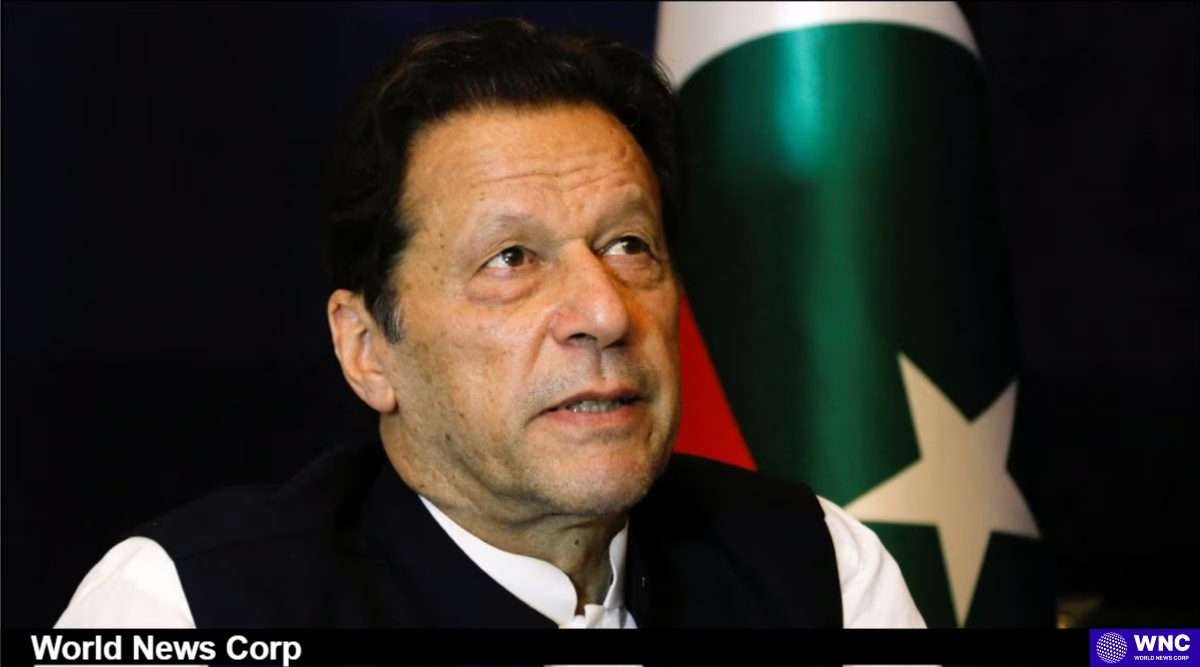
As tensions between India and Pakistan escalate, the situation surrounding former Prime Minister Imran Khan has become increasingly alarming. Khan, who has been imprisoned in Rawalpindi’s Adiala Jail since August 2023, is facing serious concerns about his safety. His party, Pakistan Tehreek-e-Insaf (PTI), has filed a petition in the Islamabad High Court for his release, citing the risk of drone attacks that could harm him while he remains behind bars.
How does the current political landscape reflect shifts in public opinion, party dynamics, and global influence?
Khan’s imprisonment stems from nearly 200 legal cases that he argues are politically motivated. Despite the legal challenges, PTI has emerged as the largest party in terms of seats won in recent elections, although the fragile coalition government has blocked their return to power. This political backdrop paints a complex picture: while Khan’s popularity remains high, his physical safety is at risk due to the ongoing military hostilities between India and Pakistan.
A Threat from Above
Reports indicate that there are acute concerns regarding unprovoked drone strikes targeting Pakistani territory. One of Khan’s close aides recently expressed fears that a drone could hit the Adiala Jail directly. The aide even claimed that Pakistan’s Defence Minister had hinted at the possibility of a drone strike on the prison, which he labeled as a “direct death threat.” This precarious situation has led Khan’s supporters to advocate for his immediate evacuation from jail, arguing that he should be granted parole until the situation stabilizes.
The Escalating Conflict
Tensions have reached unprecedented levels following India’s Operation Sindoor, which aimed at striking terror camps in Pakistan. This military operation has prompted retaliatory actions from Pakistan, including fresh drone strikes at multiple locations in India. The fear is palpable: with both nations exchanging fire over the Line of Control, the risk to Khan’s life grows exponentially. His party has warned that the government might exploit the war-like situation to target him within the confines of Adiala Jail.
The Personal Impact
Khan’s family has also voiced their concerns. They worry about the long-term impact of his detention on his health, especially under such volatile circumstances. Reports suggest that Khan has not violated any prison rules during his incarceration, yet he remains behind bars, caught in a web of political rivalry. For many in Pakistan, Khan symbolizes a unifying figure, and his potential loss could lead to further destabilization in the region.
A Call for Justice
The PTI is not just fighting for Khan’s release; they are also advocating for national harmony and solidarity amidst this crisis. The court has yet to set a date for hearing the plea, but PTI officials remain hopeful. They argue that Khan’s safety should be a top priority, especially considering the current military escalation. The implications of his detention and potential harm extend beyond his personal well-being; they resonate throughout Pakistan, where many view him as a leader for the Muslim Ummah.
In conclusion, the call for Imran Khan’s release is as much about his safety as it is about the broader political landscape in Pakistan. As tensions continue to escalate, the hope is that peace will prevail and that Khan will be granted the freedom necessary to navigate these turbulent waters.