
As tensions between India and Pakistan escalate, the recent ceasefire agreement has brought a momentary pause to hostilities. This ceasefire, while welcomed by many, is steeped in complexity and conditionality that reflects the historical and ongoing strife between the two nations. In this article, I will delve into the intricacies of the ceasefire, its implications, and what it means for the future of India-Pakistan relations.
What is a ceasefire, and how does it function in conflict resolution and international diplomacy?
A ceasefire is essentially a temporary stoppage of fighting between two or more parties. It can be negotiated for various reasons, including to allow for humanitarian aid, to engage in peace talks, or simply as a tactical move in an ongoing conflict. In the case of India and Pakistan, the recent ceasefire was announced after four days of intense military exchanges, which resulted in casualties on both sides.
The Role of International Mediation
Interestingly, the announcement of this ceasefire came not from the leaders of the two countries but from U.S. President Donald Trump. His statement claimed that the ceasefire followed “long night of talks” mediated by the U.S. This highlights the role of international powers in regional conflicts. However, the intricate dynamics of India-Pakistan relations often mean that external mediation can be viewed with skepticism. In a world increasingly shaped by global politics, the influence of external powers can either facilitate peace or complicate negotiations.
Conditions Behind the Ceasefire
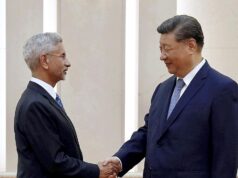
While the ceasefire is a positive step, it is crucial to note that it is conditional. Sources have indicated that India maintains an uncompromising stance against terrorism, which continues to plague its national security. External Affairs Minister S. Jaishankar emphasized that India’s military action against terrorist threats would not waver, even with the cessation of hostilities. This underscores a critical point: while the guns may be silent for now, the underlying issues, particularly terrorism, remain unresolved.
Historical Context of Ceasefires Between India and Pakistan
Ceasefires between India and Pakistan are not new. The two nations have a long history of military confrontations, including the wars of 1947, 1965, and 1971. Each ceasefire has often been temporary, with violations frequently occurring. The most notable ceasefire agreement was in 2003, which saw a significant reduction in hostilities along the Line of Control (LoC). However, the resurgence of violence in recent years has cast a shadow over the effectiveness of past agreements.
Current Military Dynamics
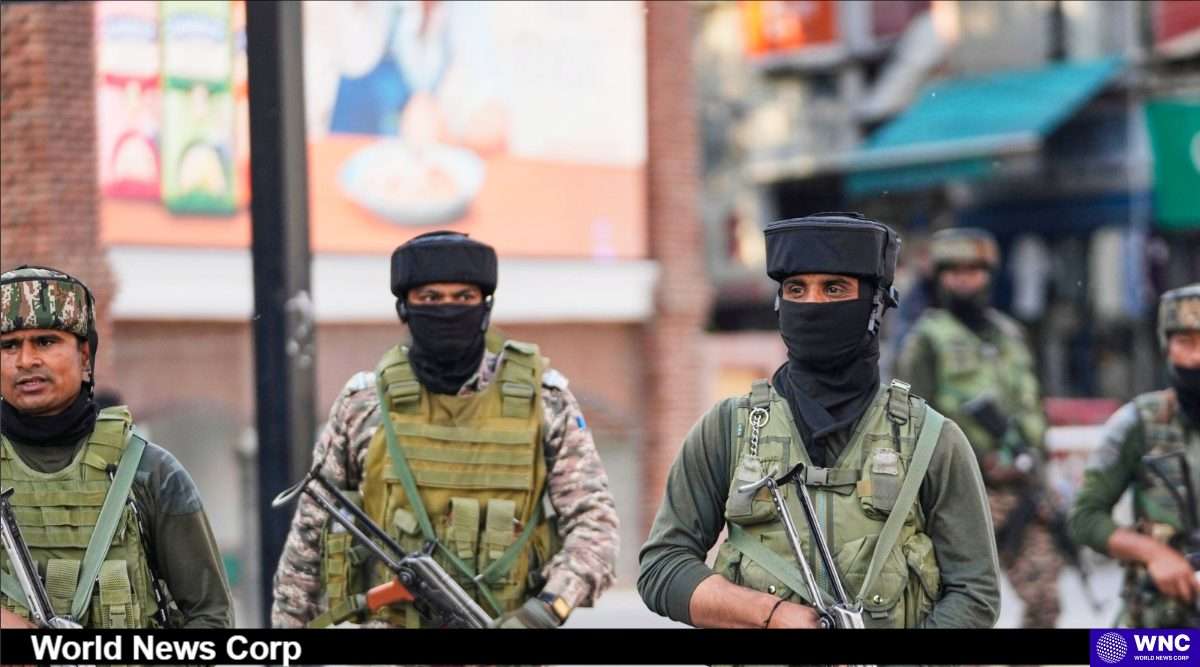
The recent military escalation, which included drone and missile attacks, has significantly altered the military landscape. Reports indicate that India successfully defended against multiple waves of attacks and inflicted considerable damage on Pakistani military infrastructure. However, the Ministry of Defence emphasized that any future provocation would receive a decisive response. This military readiness is crucial in maintaining a balance of power, but it also perpetuates a cycle of conflict that could lead to further escalation.
Future Implications and Hope for Lasting Peace
The ceasefire, while a welcome development, is fraught with challenges. Both nations must navigate the minefield of historical grievances, national pride, and political pressures. Moving forward, building trust through consistent dialogue and mutual concessions could pave the way for a more stable peace. It will be vital for both governments to engage in transparent discussions regarding terrorism and military actions to prevent future conflicts.
In conclusion, while the India-Pakistan ceasefire represents a momentary relief from violence, it is essential to recognize that lasting peace will require more than just the silencing of guns. A commitment to addressing the root causes of conflict, particularly terrorism, will be vital. As we watch this situation unfold, it is clear that the journey towards peace is just beginning.