

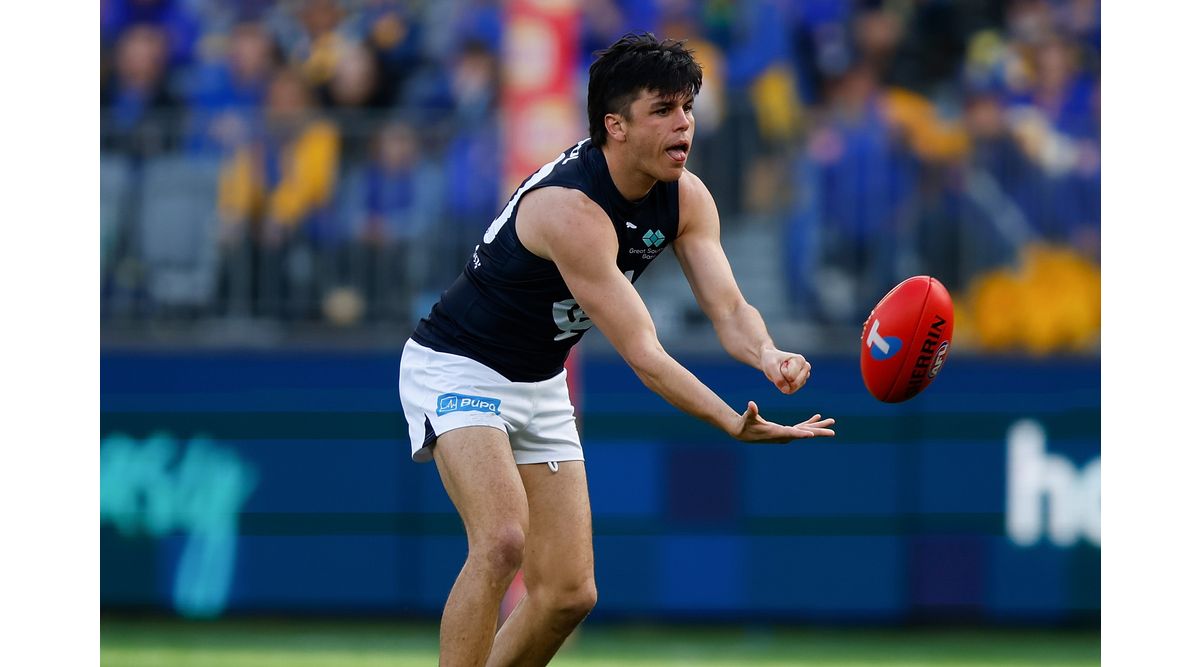
Elijah Hollands, a promising forward for the Carlton Football Club, has recently made headlines not just for his performance on the field, but for his courageous decision to take a leave of absence to address personal issues. As someone who has followed the AFL closely, I find it essential to highlight how this decision reflects a growing awareness of mental health within the sport.
Why is mental health important for athletes in sports?
Mental health has traditionally been a taboo subject in professional sports, often overshadowed by the focus on physical prowess and performance. However, athletes like Hollands are breaking that mold by openly discussing their struggles. The Carlton Football Club has publicly supported Hollands, with their general manager of football, Brad Lloyd, emphasizing the importance of prioritizing player well-being over performance. This shift is crucial, as mental health challenges can affect anyone, even elite athletes.
The Support System Behind the Scenes
Hollands’ decision to seek help indicates a significant step forward in the culture of sports. The support from his club serves as a powerful reminder that athletes are not alone in their battles. It’s inspiring to see the AFL community rally around someone like Hollands, who has shown vulnerability by coming forward. This kind of support is critical not just for Hollands but for all players facing similar challenges.
Real-World Examples of Struggle and Resilience
Throughout the AFL, there have been instances where players have faced personal challenges. For example, former AFL player Brock McLean has spoken openly about his mental health struggles and the importance of seeking help. His story, along with Hollands’, underscores the need for a robust support system within clubs to help players navigate their personal lives without fear of stigma.
Actionable Insights for Players and Clubs
For players in any sport, it’s vital to recognize the signs of mental health issues, whether they manifest as anxiety, depression, or burnout. Clubs should promote an open dialogue about mental health, providing resources like counseling and mental health workshops. Furthermore, they can create an environment where players feel safe to express their emotions without judgment. Coaches and management should be trained to recognize when a player may need support and to approach the situation sensitively.
The Broader Impact on the AFL Community
Elijah Hollands’ situation has broader implications for the AFL community. By prioritizing mental health, clubs can cultivate a healthier culture that not only enhances player well-being but also potentially improves performance on the field. The more players feel supported, the more likely they are to thrive, both personally and professionally.
In conclusion, as we enter the 2025 AFL season, let’s keep in mind the courage it takes to address mental health issues. Elijah Hollands is not just a player on the field but a beacon of hope for many who may be struggling in silence. This season, let’s cheer for not just the goals scored, but for the victories won in the realm of mental health awareness in sports.