

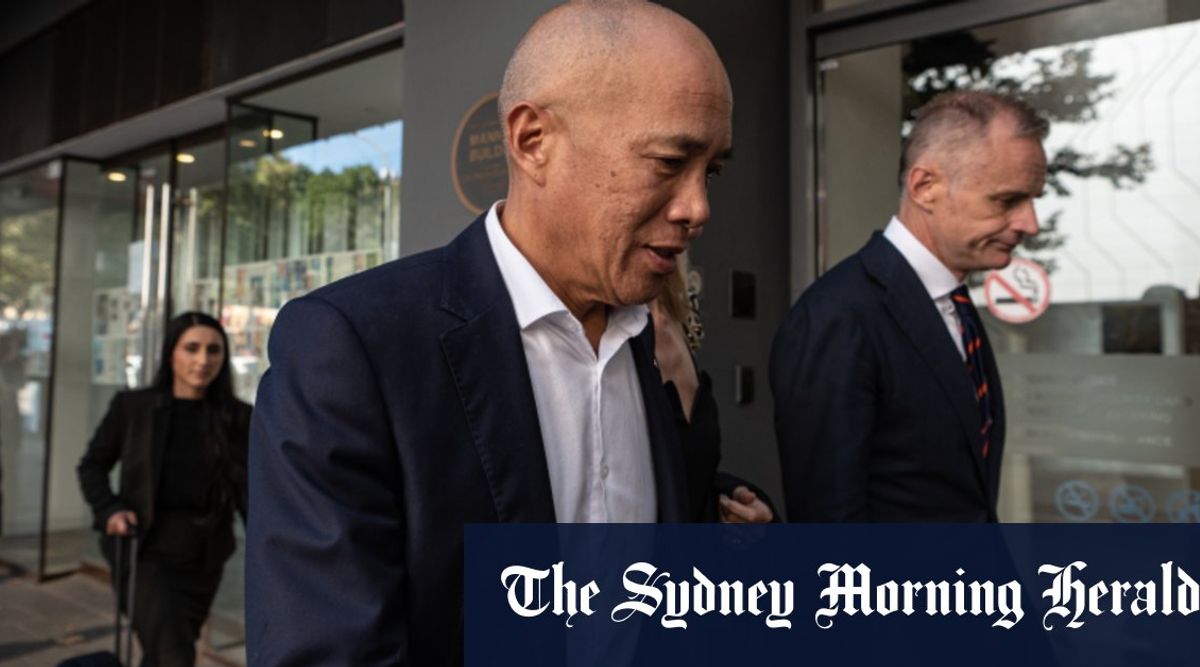
In the realm of medical ethics, few cases have stirred as much controversy as that of neurosurgeon Charlie Teo. Known for his willingness to take on difficult cases, Teo has been both praised and criticized for his approach to surgery. His recent settlement with the family of a patient who died shortly after a procedure has reignited debate over the responsibilities of medical professionals. The case sheds light on the delicate balance between hope and reality in medical treatments, especially when dealing with terminal illnesses like glioblastoma.
What are the key details in the background of the case?
In September 2018, a woman from Perth was diagnosed with an incurable brain tumor known as glioblastoma. Doctors had given her a bleak prognosis, stating she had only 12 to 18 months to live. They advised against surgery, indicating that any attempt to remove the tumor would likely be futile and potentially harmful. Despite this grim outlook, the woman’s family sought the opinion of Dr. Charlie Teo, who offered a glimmer of hope. During a consultation, he reportedly indicated a 5% risk of death and a 50% chance of minor complications, promising that surgery could extend her life.
The Operation and Its Aftermath
The operation took place just a day after the consultation. Unfortunately, the outcome was devastating; the woman never regained consciousness and died about six months later. The Health Care Complaints Commission later found that Teo’s decision to operate was unethical and raised questions about the adequacy of his informed consent process. The findings highlighted that Teo had not provided sufficient statistical data or medical literature to justify his surgical approach. This lack of transparency is concerning, especially when the stakes are as high as they were in this case.
Legal Ramifications
In May 2023, the grieving husband and three children of the deceased filed a lawsuit against Teo, claiming mental harm resulting from his actions. The husband sought $533,757 in damages, citing PTSD and alcohol use disorder as consequences of his wife’s death. The three children sought more than $1 million, having suffered from anxiety and depression since the tragedy. Ultimately, Teo reached a confidential settlement with the family, but the legal proceedings have raised broader questions about accountability in the medical profession.
The Broader Implications for Medical Ethics
This case serves as a stark reminder of the ethical dilemmas faced by neurosurgeons and other medical professionals. While offering hope is an integral part of patient care, it must be balanced with honesty regarding the risks involved. The Professional Standards Committee’s findings against Teo highlight the necessity for medical practitioners to uphold ethical standards, particularly when dealing with life-threatening conditions. Going forward, this case could influence how neurosurgeons approach informed consent and the communication of risks associated with surgery.
Conclusion: Navigating Hope and Reality in Medicine
In a world where medical miracles are often touted, the case of Charlie Teo underscores the importance of maintaining ethical integrity in the face of desperate circumstances. Patients and their families are entitled to clear, honest information, and medical professionals must navigate the fine line between offering hope and providing realistic expectations. As we reflect on this case, it’s crucial that we advocate for transparency in medical practices, ensuring that patients can make informed decisions about their health care.