
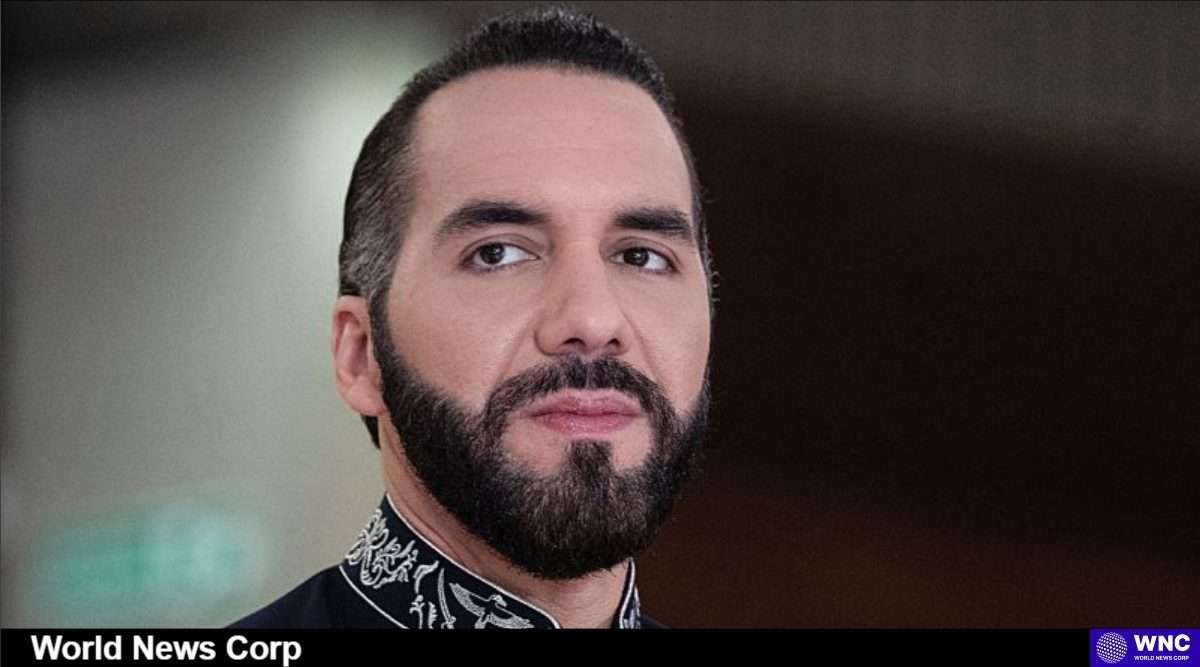
In a bold move that has attracted international attention, El Salvador’s President Nayib Bukele recently proposed a prisoner exchange with Venezuela. This offer involves repatriating 252 Venezuelans deported from the United States in exchange for an equivalent number of political prisoners held in Venezuela. The proposal, made in a post on social media, raises significant questions about human rights and diplomatic relations in the region.
What’s Behind Bukele’s Controversial Move?
The backdrop of this proposal is the controversial deportation of Venezuelan migrants from the U.S. to El Salvador, many of whom are alleged members of the Tren de Aragua gang. Bukele’s assertion that these deportees have committed serious crimes, such as murder and rape, stands in stark contrast to the claim made by Venezuela that those detained in their country are political prisoners unfairly jailed for opposing the Maduro regime. Bukele’s direct appeal to Venezuelan President Nicolás Maduro highlights the ongoing tensions between the two countries.
Humanitarian Agreement or Political Theater?
When I read Bukele’s post, it struck me as both a humanitarian gesture and a calculated political maneuver. Bukele stated, “Unlike our detainees, many of whom have committed murder, others have committed rape… your political prisoners have committed no crime.” This clearly aims to frame his government as taking a moral high ground while simultaneously attempting to shame Maduro. Critics argue that this exchange could serve as a distraction from Bukele’s own controversial governance, which includes a notorious crackdown on gangs that has drawn the ire of human rights organizations.
The Response from Venezuela
Venezuelan officials have responded to Bukele’s proposal with skepticism and criticism. Tarek William Saab, Venezuela’s General Attorney, has demanded transparency regarding the crimes of the deportees and accused El Salvador of violating the rights of its nationals. This back-and-forth indicates that the dialogue surrounding the proposal is fraught with political implications and the potential for diplomatic fallout.
Real-World Implications of the Exchange
If this proposal were to proceed, what would it actually mean for the individuals involved? The exchange could potentially release innocent people imprisoned for political reasons in Venezuela while returning individuals accused of serious crimes to their home country. The implications for families and communities on both sides are profound, as are the questions surrounding justice and accountability. For instance, it raises concerns about whether those returned to El Salvador would face adequate legal processes.
Public Sentiment and Political Consequences
Bukele, often referred to as “the world’s coolest dictator,” has garnered significant support among Salvadorans for his tough stance on crime. However, this popularity comes at a cost. Many human rights advocates argue that his methods are draconian and that they undermine the rule of law. As he navigates this complex issue with Venezuela, it remains to be seen how this will affect his approval ratings and international relations. The public’s view of the proposed exchange could swing dramatically depending on how it unfolds.
In conclusion, Nayib Bukele’s proposed prisoner exchange with Venezuela is not just about the individuals involved; it’s a reflection of the broader geopolitical chess game played in Central America. As the situation develops, it remains critical for observers to consider both the humanitarian aspects and the political motivations behind such bold proposals. This could very well be a pivotal moment for both Bukele and Maduro, impacting their legacies in the region.