

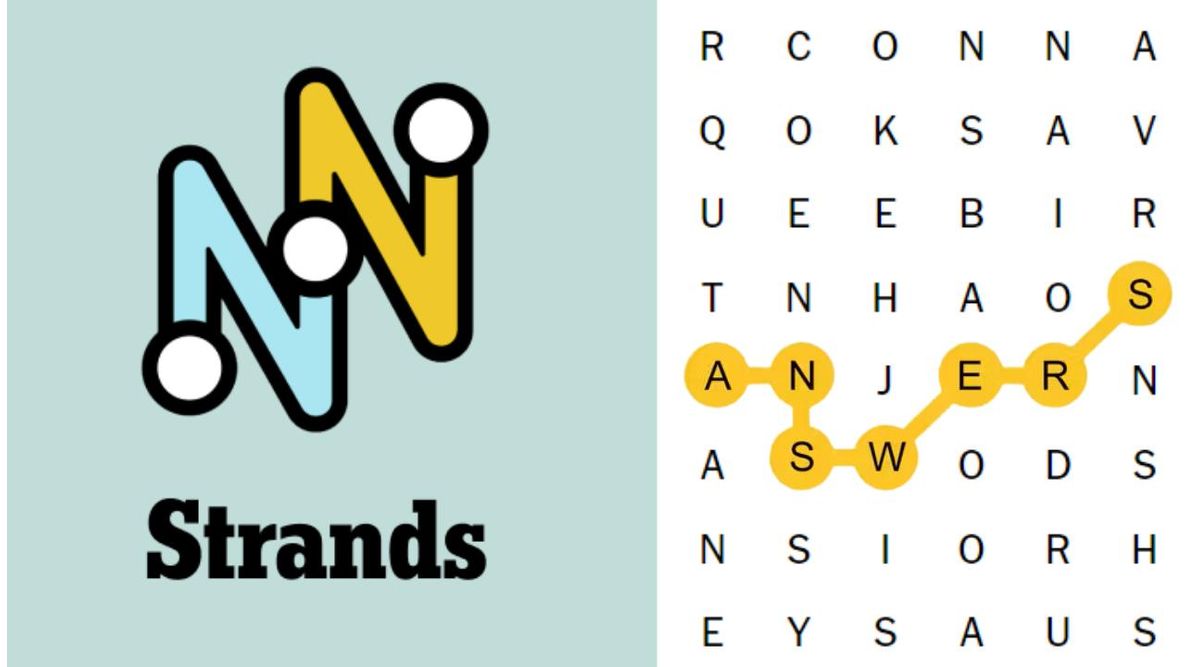
Spoonerisms are a delightful form of wordplay that often leave us chuckling at the accidental humor they create. Named after Reverend William Archibald Spooner, who was known for his verbal slip-ups, these quirky switches occur when the initial sounds of two words are swapped. For instance, ‘crushing blow’ transforms into ‘blushing crow’—a perfect example of how miscommunication can lead to amusing imagery. In today’s digital age, where word games like the New York Times’ Strands are gaining popularity, understanding spoonerisms can enhance the experience and add an extra layer of fun.
What makes spoonerisms entertaining in puzzles?
In the world of word games, including Strands, recognizing spoonerisms can be a game-changer. Players are tasked with uncovering words based on a daily theme, and today’s theme, ‘Sound Switching,’ challenges players to identify the hidden phrases. By grasping the concept of spoonerisms, players can improve their problem-solving skills and approach the game with a fresh perspective. As I navigated through the latest Strands puzzle, I found myself chuckling at some of the clues, including ‘wedding bells’ morphing into ‘bedding wells.’ It’s a clever twist that keeps the game engaging.
Real-World Examples of Spoonerisms
Spoonerisms aren’t just a playful gimmick found in puzzles; they have made their way into popular culture and everyday conversation. Comedians and writers frequently utilize them for comedic effect, enhancing their storytelling with unexpected phrases. A common example is referring to a ‘blushing crow’ instead of a ‘crushing blow.’ It’s fascinating how language can be manipulated to create humor, and spoonerisms are an excellent avenue for that creativity.
The Educational Value of Playing with Language
Engaging with games like Strands can also be educational. They encourage players to think critically about language and semantics. When I tackled today’s puzzle, I realized that understanding the nuances of language could significantly improve my chances of solving it. The cognitive benefits of such games extend beyond mere entertainment; they enhance vocabulary and promote linguistic awareness. For anyone interested in language, exploring spoonerisms can be both enlightening and enjoyable.
How to Incorporate Spoonerisms into Your Daily Life
Incorporating spoonerisms into your conversations can add a humorous twist to everyday language. Try swapping the initial sounds of a couple of words during casual chats with friends. You might find that it elicits laughter and lightens the mood. Whether you’re discussing ‘chicken strips’ or ‘sipping gin,’ a little wordplay can go a long way in making interactions more lively. Plus, it’s a great way to keep your mind sharp and agile.
Conclusion: Embrace the Wordplay
As we continue to embrace the joys of language through puzzles and games, spoonerisms remind us of the playful and sometimes silly nature of words. They’re not just a linguistic oddity; they’re a source of entertainment and connection. So the next time you find yourself immersed in a word game, remember to look out for those delightful spoonerisms. Who knows? You might just uncover a new favorite phrase or two!