

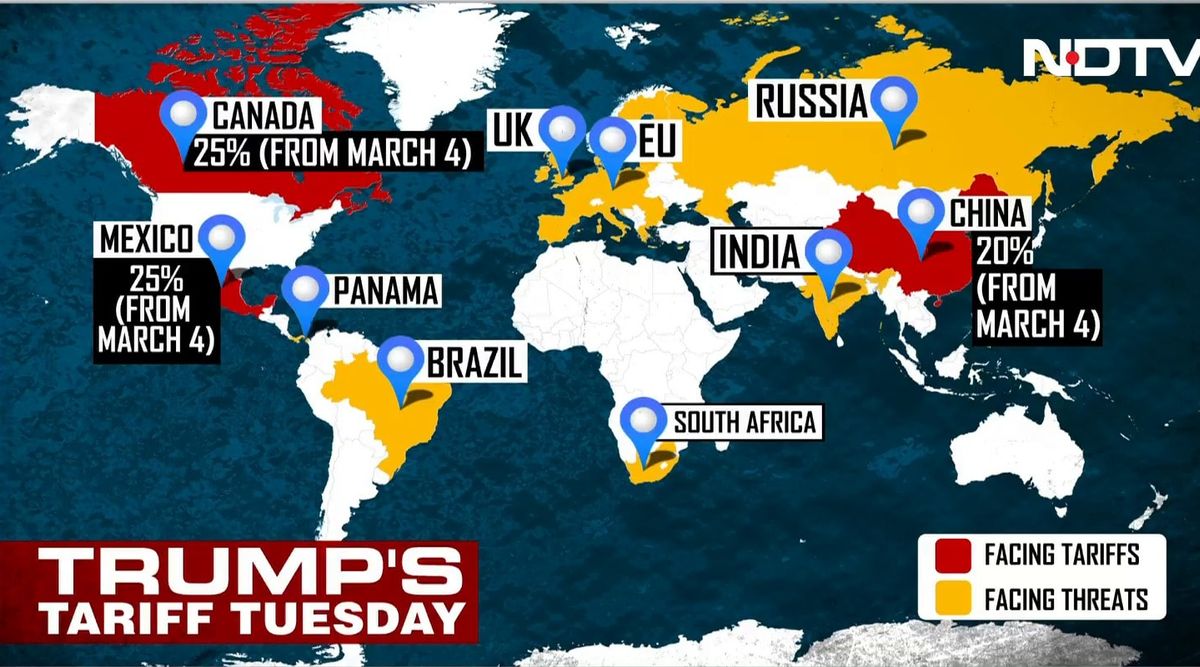
The U.S. stock market has been experiencing significant volatility lately, particularly with the Dow Jones Industrial Average facing downward pressure due to recent tariff announcements. Investors are feeling the effects of President Trump’s firm stance on tariffs, especially those imposed on Canada and Mexico, which have now come to fruition. This article aims to delve into the implications of these tariffs on the Dow stock market and the broader U.S. economy.
What do Dow Jones Futures reveal about market trends before opening?
Before we dive deeper, let’s clarify what Dow Jones futures are. They are financial contracts that allow investors to speculate on the future value of the Dow Jones Industrial Average. This index, representing 30 of the largest U.S. companies, is a barometer for the overall health of the stock market. When tariffs are introduced, futures often reflect the anticipated impact on corporate earnings and market sentiment. The recent announcement of a 25% tariff on imports from Canada and Mexico has sent shockwaves through futures trading, causing many to reconsider their positions in the market.
The Immediate Impact of Tariffs on the Dow
Following the tariff announcements, the Dow Jones Industrial Average fell sharply, losing over 650 points in a single day. This drop was attributed not only to concerns about trade relations but also to the anticipated rise in consumer prices. According to economic experts, tariffs disrupt supply chains and raise costs, leading to higher prices for everyday goods. For example, major automotive manufacturers like General Motors and Ford saw their shares decline significantly. With production heavily reliant on cross-border trade, the implications of a trade war could be dire for the auto sector.
Investor Sentiment and Market Reactions
As a reporter observing these market trends, it’s evident that investor sentiment is shifting. The anxiety surrounding the tariffs has led to a risk-off approach, where investors are pulling back from equities in favor of safer assets such as bonds and gold. The S&P 500 and Nasdaq have also felt the brunt of this sentiment, experiencing their most significant declines since late last year. In times like these, the market often reacts to news cycles, with many traders looking for signs of stabilization or further escalation in trade tensions.
The Long-Term Outlook for the U.S. Stock Market
In the long run, the implications of these tariffs could reshape the U.S. stock market landscape. Businesses might need to rethink their supply chain strategies and cost structures to absorb the impacts of tariffs. This restructuring could lead to a more localized manufacturing approach, which, while beneficial for U.S. jobs in the short term, may lead to increased prices for consumers. Moreover, investors will be watching closely how the Federal Reserve responds to these developments, particularly regarding interest rates and inflation control.
Conclusion: Preparing for Market Volatility
In conclusion, navigating the current U.S. stock market requires a keen understanding of the impacts of tariffs on both the Dow Jones and broader economic conditions. Investors should remain vigilant, adapting their strategies to weather the storm of uncertainty. As someone who has closely followed these developments, I encourage readers to stay informed and consider the potential long-term effects of today’s decisions in the market. By doing so, you can better position yourself for whatever comes next in the ever-changing landscape of U.S. trade policy and its impact on the stock market.