

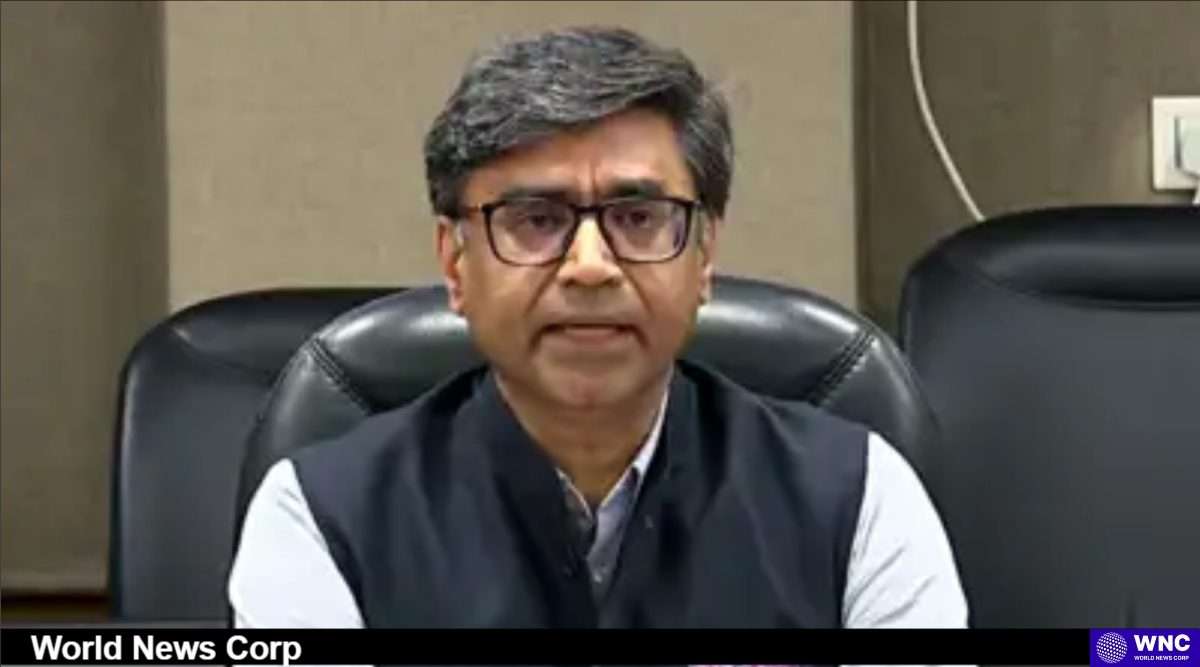
In today’s interconnected world, social media has transformed how we communicate, often amplifying voices and opinions that can lead to both support and outrage. This was starkly illustrated in the recent case of Vikram Misri, India’s Foreign Secretary, who faced a wave of online trolling following the announcement of a ceasefire between India and Pakistan. The backlash Misri experienced highlights a growing concern: the impact of social media on public officials and the crucial role of civil service integrity.
What was the trolling incident during recent diplomatic developments?
On May 10, 2025, Foreign Secretary Vikram Misri announced a significant ceasefire agreement between India and Pakistan after days of escalating tensions. The agreement, reached during a call between the Director Generals of Military Operations (DGMOs) from both nations, was a vital step towards de-escalating potential conflict. However, rather than receiving recognition for his diplomatic efforts, Misri became a target of malicious online attacks that not only questioned his professional capabilities but also involved personal attacks against his family.
The trolling intensified after a post on social media by US President Donald Trump, who claimed American mediation in the talks. This unexpected twist added fuel to the fire, leading to a barrage of derogatory comments aimed at Misri, labeling him a traitor and questioning his patriotism. It’s disheartening to witness such behavior directed at someone who has dedicated his career to serving the nation.
Voices of Support: Civil Service Solidarity
In the face of this unwarranted criticism, several civil service associations and political leaders rushed to Misri’s defense. The IAS Association, IRTS Association, and IRS (C&IT) Association all released statements condemning the personal attacks against him and highlighted the importance of maintaining respect for civil servants. For instance, the IAS Association emphasized the need to uphold the dignity of public service, stating, “Unwarranted personal attacks on civil servants performing their duties with integrity are deeply regrettable.”
Public figures like Samajwadi Party chief Akhilesh Yadav and former foreign secretary Nirupama Menon Rao also expressed their concern over the personal nature of the trolling. Yadav remarked that such attacks demoralize dedicated officers, while Rao described the abuse as “utterly shameful,” calling for a united front in support of diplomats. These responses underline a critical truth: civil servants should not be held accountable for political decisions made at higher levels. Misri was merely the messenger of a complex and challenging diplomatic agreement.
The Broader Implications: A Call for Respect
The incident surrounding Vikram Misri serves as a potent reminder of the broader implications of social media trolling on public servants. Doxxing, harassment, and personal attacks undermine the integrity of civil service and can discourage talented individuals from pursuing careers in public service. When public officials are subjected to such vitriol, it sets a dangerous precedent that could deter future diplomats and civil servants from operating effectively. The role of social media in shaping public discourse must be approached with mindfulness and responsibility.
Moving Forward: Cultivating a Respectful Dialogue
As we navigate this digital age, there is a pressing need for a cultural shift towards respectful dialogue, especially in political contexts. While social media can foster vibrant discussions, it can also breed toxicity and division. It’s essential to remember that behind every public figure is a person dedicated to serving their country, often under challenging circumstances.
So, what can we do? Encouraging respectful discourse online, holding individuals accountable for abusive behavior, and supporting public officials in their endeavors are vital steps towards a healthier political environment. As citizens, we must advocate for a society that values civility over hostility and respect over ridicule. After all, our civil servants, like Vikram Misri, deserve recognition for their service rather than scorn for their roles in a complex political landscape.