
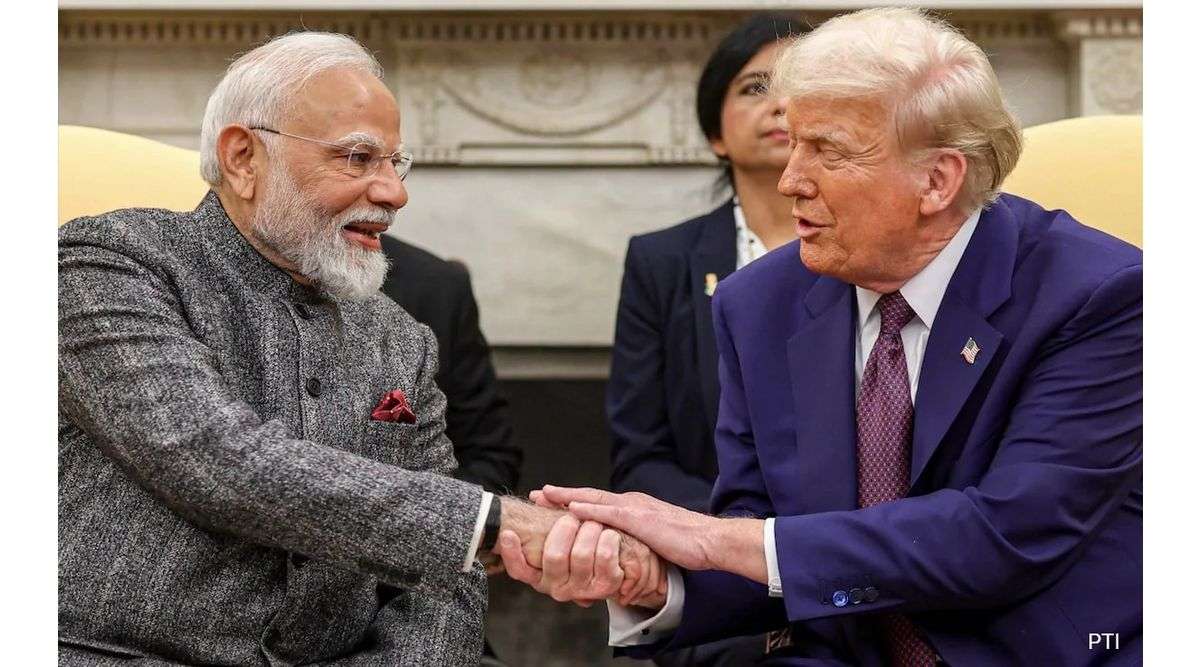
In recent weeks, the Tamil media landscape has been rocked by a significant controversy surrounding the popular Tamil magazine Vikatan. This incident began on February 10, when Vikatan published a satirical cartoon depicting Prime Minister Narendra Modi and former U.S. President Donald Trump, in the context of deported Indian immigrants. The cartoon, which featured Modi in shackles next to a laughing Trump, sparked outrage from the BJP and led to claims of censorship as many users from various locations found themselves unable to access the Vikatan website. This raises a critical question: How far should freedom of expression extend in a democratic society?
The immediate response from Vikatan was one of defiance. In a post on social media, they emphasized their commitment to freedom of expression and hinted at legal action should the government attempt to stifle their voice. This is a crucial point—Vikatan has been a stalwart of independent journalism in Tamil Nadu for nearly a century, often pushing the envelope in its commentary on political issues. Their mission has always been anchored in the belief that free speech is a pillar of democracy, and they are prepared to fight for it.
The controversy intensified when K Annamalai, the BJP’s Tamil Nadu chief, lodged complaints with the Press Council of India, calling for action against Vikatan. Annamalai accused the magazine of being a mouthpiece for the DMK and claimed that the cartoon undermined India's political and diplomatic integrity. This accusation reflects a growing trend where political figures attempt to control the narrative by targeting media outlets for their content. It raises the question of whether the government is overstepping its bounds by attempting to dictate what can be published.
Notably, the Tamil Nadu Chief Minister, MK Stalin, along with prominent actors and politicians like Vijay and Kamal Haasan, voiced their concerns over the censorship. They argued that blocking Vikatan's website represents a threat to the fundamental rights enshrined in the Constitution. The support from these figures highlights a collective concern among various sectors of Tamil Nadu society regarding the importance of preserving free speech.
This incident is not isolated. It echoes a broader pattern of tension between media outlets and political authorities in India, particularly in the context of dissenting opinions. Critics argue that the Modi administration has shown increasing intolerance towards criticisms, often resorting to blocking or censoring content that does not align with its narrative. This trend poses a significant threat to democracy, as a free and independent press is essential for holding those in power accountable.
As the controversy unfolds, it is crucial for citizens to remain vigilant about their rights to free expression. This situation serves as a reminder that while satire can provoke strong reactions, it is also a vital tool for social commentary. The engagement from various political figures and the public's response indicates that the dialogue around freedom of expression in India is more important than ever. It is a dialogue that must continue, as we navigate the complexities of governance, media, and the rights of individuals in a democratic society. In the end, the Vikatan controversy is not just about a single cartoon; it encapsulates the ongoing struggle for free expression in a rapidly changing political landscape.