

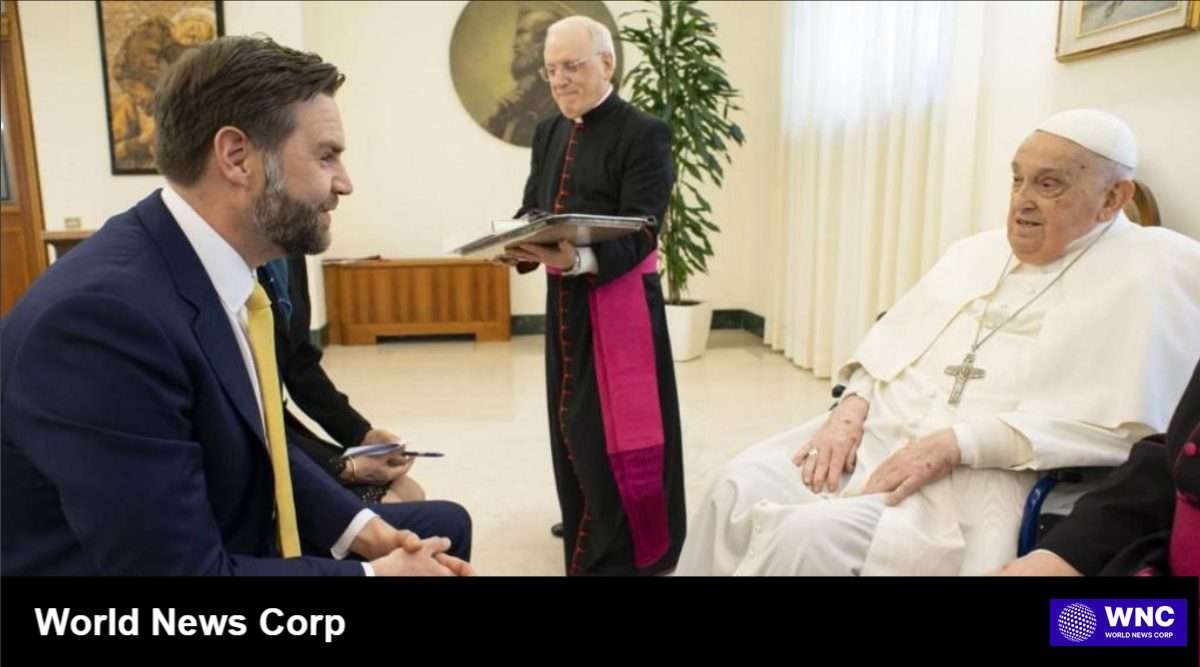
In a surprising turn of events, US Vice-President JD Vance met with the late Pope Francis on Easter Sunday, a day that would mark a poignant moment in history, as it was one of the last public appearances of the beloved pontiff. This meeting, brief yet significant, took place at the Domus Santa Marta, the Pope’s residence, where the two exchanged greetings. Vance, who converted to Catholicism just a few years prior, expressed his gratitude for the opportunity to meet the Pope, despite their previous disagreements on critical issues such as immigration.
What Shaped Their Historic Meeting?
The backdrop of their encounter is essential to understand the weight it carries. Vance and Pope Francis have had a complicated relationship, marked by public disagreements over the Trump administration’s immigration policies. The Pope has been an outspoken critic of mass deportations, calling it a “major crisis” that undermines human dignity. He has urged compassion and kindness towards migrants, emphasizing that true Christian love extends beyond community boundaries.
An Unexpected Connection
Despite their differences, the meeting was cordial. Vance referred to himself as a “baby Catholic,” acknowledging his relatively new faith and the complexities that come with it. During their conversation, Pope Francis gifted Vance rosaries and Easter chocolates for his children, embodying the spirit of Easter and familial love. This gesture highlights how, even amidst disagreements, moments of grace can emerge.
Reflections on Faith and Politics
The intersection of faith and politics often leads to challenging conversations. Vance’s meeting with the Pope is a perfect example. While he has defended his views on immigration, he recognizes the Pope’s authority and the depth of his experience. In a world where political ideologies frequently clash, this meeting serves as a reminder that dialogue is essential. It’s a chance for leaders to find common ground even when they disagree vehemently on certain policies.
The Legacy of Pope Francis
As we reflect on the passing of Pope Francis, it is crucial to consider what his leadership represented. He was a pontiff who sought to engage with the world in a compassionate manner, challenging leaders to prioritize humanity over politics. His calls for empathy towards the marginalized resonate now more than ever, especially in the context of Vance’s political environment. The Pope’s legacy will undoubtedly influence how politicians interact with issues of faith, love, and social justice.
A Call for Kindness
In his final messages, Pope Francis reminded us of the importance of kindness and empathy. He urged all of us to revive our trust in others, especially those who are different from us. As Vance returns to his political role, he carries with him not only the memories of his encounter with the Pope but also the weight of those messages. The world is watching how leaders respond to these calls for compassion as we navigate through increasingly complex social issues.
In conclusion, JD Vance’s meeting with Pope Francis was not just a brief encounter; it was a moment steeped in significance. It serves as a reminder that faith can bridge divides, and even those with differing views can find common ground in shared values of love and empathy. As we look to the future, let’s hope that more leaders will embrace this spirit, echoing the Pope’s call for kindness and understanding.