
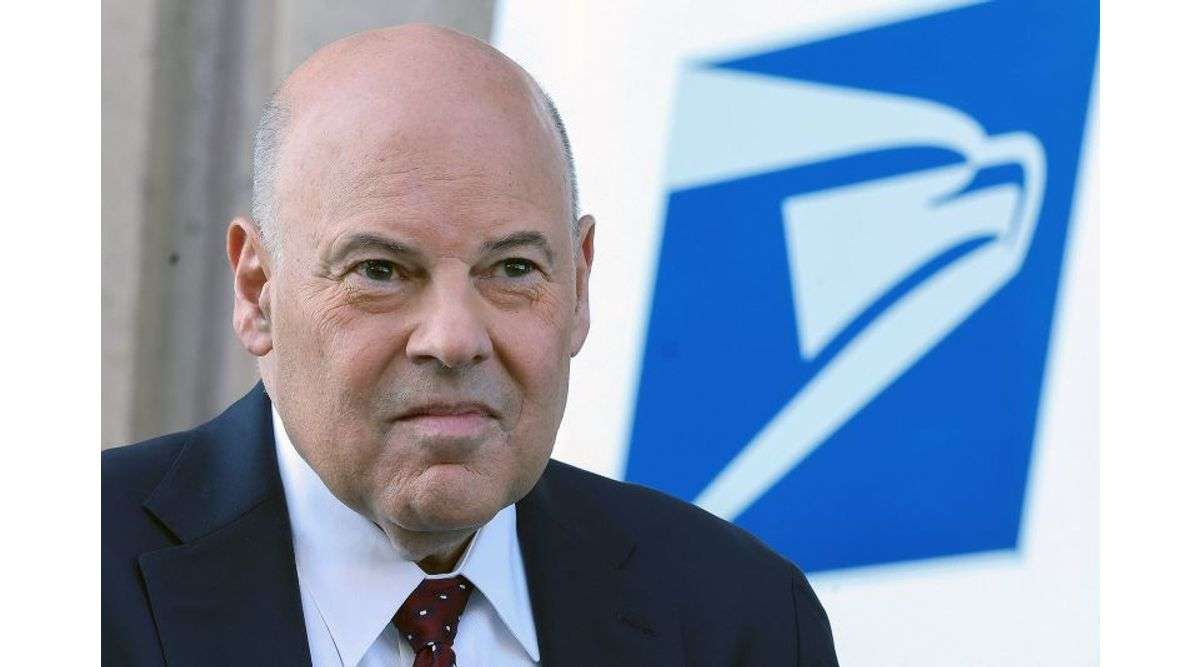
The United States Postal Service (USPS) is at a crossroads following the resignation of Louis DeJoy, who has led the agency since 2020. His tenure has been marked by significant changes and challenges, especially during the tumultuous period of the COVID-19 pandemic. With DeJoy stepping down, the question arises: what direction will the USPS take under its next postmaster general?
What Impact Creates a Changing Legacy?
DeJoy’s leadership was not without controversy. Appointed during a time of financial distress, he introduced a 10-year plan aimed at modernizing the USPS and addressing long-term losses. This strategy included raising postage rates and consolidating mail-processing facilities. While some praised his efforts as necessary for the agency’s survival, others criticized them for slowing down delivery times, particularly affecting rural areas. The plan, which aimed to cut cumulative losses from $160 billion to $80 billion over the next decade, has sparked heated debates about the future of postal services in the U.S.
The Role of the Next Postmaster General
With Deputy Postmaster General Doug Tulino stepping in temporarily, the USPS Board of Governors faces the critical task of selecting a permanent successor. It’s essential that this new leader understands the balance between necessary reform and maintaining essential services. Mark Dimondstein, president of the American Postal Workers Union, has emphasized the need for a leader who is opposed to privatization, warning against the potential consequences for service quality and costs for consumers.
Privatization Talks Resurface
The topic of privatization has recently gained traction, with influential voices like former President Donald Trump echoing support for major changes to the USPS structure. He proposed merging the USPS with the Commerce Department, a move that many legal experts argue would violate existing postal laws. The implications of such proposals could be profound, potentially leading to higher postage rates and reduced service levels. Attaining public trust will be crucial as discussions around privatization continue.
Community Impact and Future Directions
As the search for a new postmaster general unfolds, it’s vital that the chosen candidate prioritizes community needs. The USPS is not just a delivery service; it is a lifeline for many Americans, especially in rural communities. The next leader must navigate the complexities of modernization while preserving the agency’s commitment to accessibility and affordability.
Conclusion: Moving Forward
The future of the USPS depends on the vision and leadership of its next postmaster general. As we move forward, embracing change while respecting the organization’s legacy will be paramount. Stakeholders, including postal workers and the communities they serve, must engage in this dialogue to ensure that the USPS continues to be a reliable and trusted service for the next generation. The stakes are high, but the potential for a revitalized USPS is within reach, provided the right decisions are made in the coming months.