

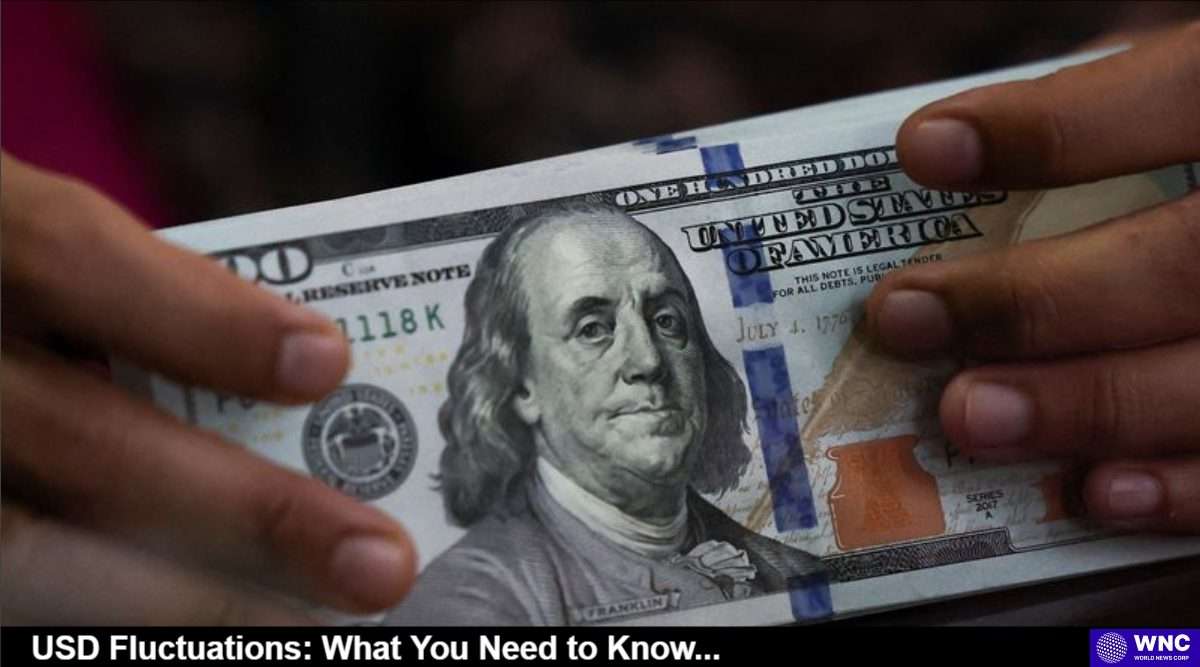
As we dive into the latest financial landscape, the U.S. dollar (USD) continues to be a hot topic among economists and everyday consumers alike. Just the other day, I found myself discussing with a friend how the dollar's strength or weakness impacts our daily lives—from grocery prices to international travel. Recently, we've seen the USD experiencing notable fluctuations due to a mix of economic indicators, interest rate adjustments, and geopolitical tensions.
For instance, the Federal Reserve's recent decisions on interest rates have played a pivotal role in the dollar's value. Higher interest rates tend to attract foreign investment, which can bolster the dollar. However, with inflation concerns still lingering, the Fed's balancing act is more critical than ever.
Moreover, the ongoing conflict in various parts of the world, along with trade negotiations, has made investors cautious. I remember chatting with a financial analyst who explained that uncertainty often leads to a flight to safety, and the USD is traditionally seen as a safe haven.
But what does this mean for you? If you're planning an overseas trip, you might want to keep an eye on the dollar's performance. A stronger dollar can make your travel expenses lower, while a weaker dollar could stretch your budget a bit thinner. Additionally, for those involved in international business, currency exchange rates can significantly affect profit margins.
In summary, the fluctuations of the USD are not just numbers on a screen; they have real-world implications that affect us all. Whether you're an investor, a traveler, or just someone trying to make ends meet, understanding these trends is more important than ever. So, let’s stay informed and navigate these changes together!






 and their impact on everyday life, from consumer prices to international travel.)