

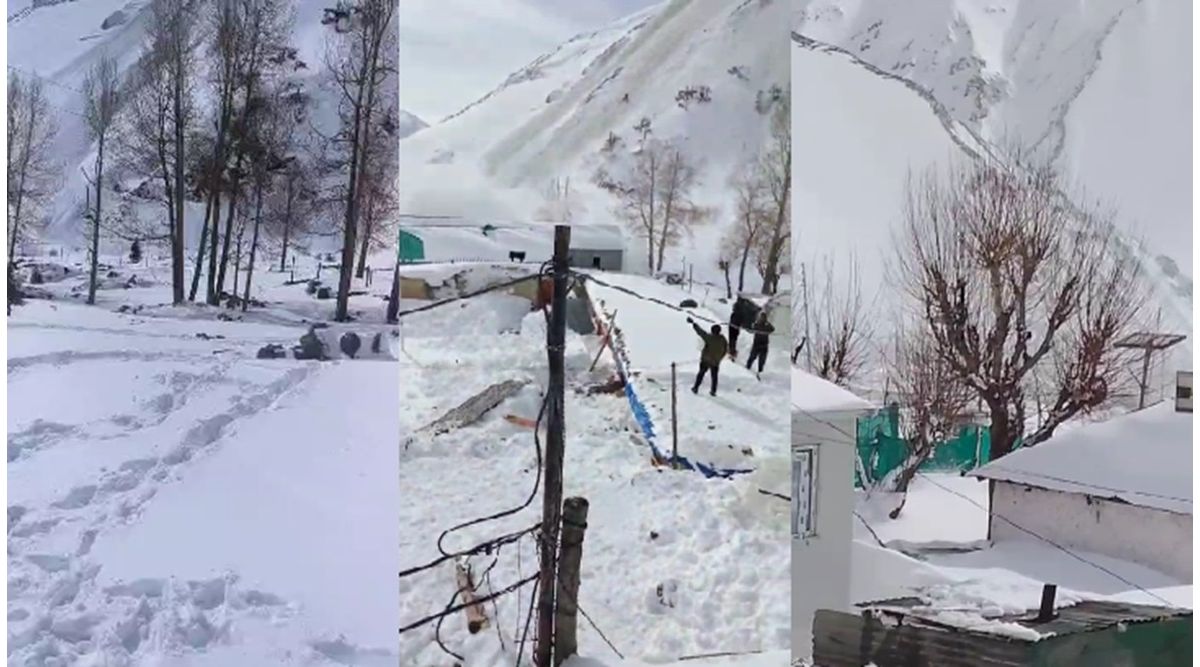
Kullu, a beautiful district nestled in the heart of Himachal Pradesh, is renowned for its stunning landscapes and vibrant culture. However, its weather can be as unpredictable as it is enchanting. As someone who has trekked through the Kullu Valley, I’ve experienced firsthand how vital it is to be prepared for the region’s unique climatic patterns. Let’s dive into the intricacies of Kullu’s weather, its impact on the local environment, and essential tips for travelers.
What Are the Changing Weather Patterns in Kullu?
Kullu typically experiences four distinct seasons: winter, spring, summer, and monsoon. Winter, spanning from December to February, is marked by heavy snowfall, transforming the landscape into a winter wonderland. Temperatures can plummet to as low as -6.9 degrees Celsius, particularly in the higher altitudes. Spring and summer, from March to June, bring a significant rise in temperature, with delightful sunny days encouraging outdoor activities. This is also when the famous Kullu Dussehra festival takes place, attracting visitors from all over.
Monsoon season, from July to September, brings heavy rains which can lead to landslides and road closures, making travel treacherous. For instance, recent reports highlighted the impact of heavy rainfall in Kullu, resulting in the closure of over 80 roads and affecting electricity supply to nearly 500 transformers. This underscores the importance of monitoring weather forecasts if you’re planning a visit during this time.
Effects of Weather on Local Ecology
The weather in Kullu is not just a matter of inconvenience for travelers; it plays a crucial role in the region’s ecology. The heavy snowfall in winter replenishes rivers and streams, providing vital water resources for agriculture throughout the year. However, the increasing frequency of extreme weather events raises concerns about the sustainability of these resources. Experts suggest that understanding weather patterns is essential for both locals and tourists, as it helps mitigate risks associated with natural disasters.
Furthermore, the recent heavy snowfall and subsequent avalanches in the nearby Lahaul-Spiti region serve as a reminder of nature’s unpredictability. While no significant damage occurred this time, the incident highlights the importance of vigilance. Local authorities, including the Indo-Tibetan Border Police (ITBP), have been actively monitoring these areas to ensure safety and respond quickly to any emergencies.
Travel Tips for Kullu Visitors
If you’re planning a trip to Kullu, here are a few essential tips to keep in mind:
- Check Weather Reports: Always check the latest weather forecasts before your trip. This is especially crucial if you’re planning to travel during the monsoon or winter seasons.
- Pack Accordingly: Depending on the season, ensure you pack appropriate clothing. In winters, thermal wear and waterproof jackets are essential, while summers call for lighter clothing.
- Stay Informed: Keep updated with local advisories. Local administration often issues alerts and updates that can help you make informed decisions during your stay.
- Emergency Contacts: Familiarize yourself with emergency numbers and the location of the nearest disaster management authority. This can be crucial in case of severe weather disruptions.
- Respect Nature: Lastly, always respect the local environment. Follow guidelines and practices that help preserve the natural beauty of Kullu while ensuring your safety.
Conclusion
Kullu weather may seem daunting at times, but with the right preparation, your experience can be truly magical. Whether you’re hiking in the lush valleys during summer or enjoying the snow-capped peaks in winter, understanding the weather dynamics can enhance your journey. Remember, Kullu is not just a holiday destination; it’s a living testament to nature’s power and beauty. So plan wisely, stay safe, and enjoy the breathtaking landscapes that Kullu has to offer!