
In recent months, the world has witnessed a significant escalation in trade tensions between the United States and China, leading to widespread repercussions on global markets. As tariffs continue to rise, many investors and economists are left pondering the long-term implications of these actions. In this blog post, I will explore how these trade tensions are reshaping the global economy and what it means for different sectors.
What are the short-term effects of newly imposed tariffs on the economy and trade?
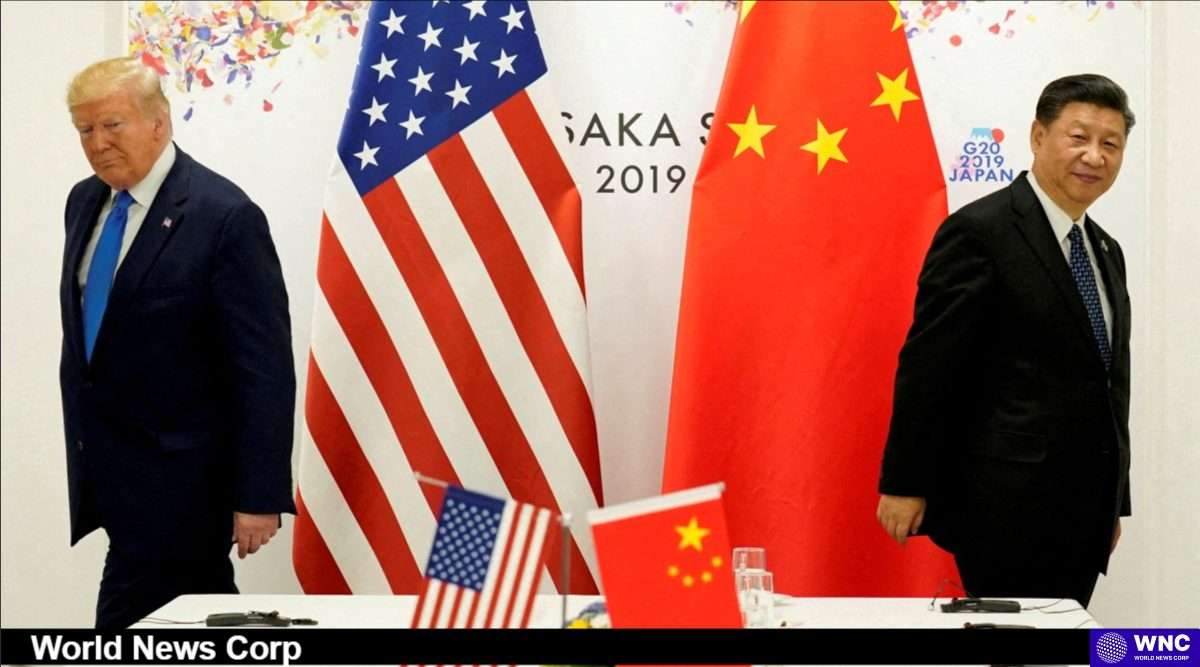
The U.S. government’s decision to impose hefty tariffs on Chinese goods has triggered a series of retaliatory measures from Beijing. For instance, President Trump’s threats of a 50% tariff on Chinese imports have prompted China to respond with its own 34% duties on U.S. products. This tit-for-tat strategy has resulted in immediate chaos within financial markets. As noted by BlackRock’s CEO Larry Fink, the rapid decline in stock prices—such as a staggering 20% drop in just three days—illustrates the significant impact tariffs can have on investor confidence.
A Broader Economic Repercussion
The effects of these tariffs extend beyond immediate market fluctuations; they paint a grim picture for global economic stability. The International Monetary Fund (IMF) has suggested that prolonged trade disputes could lead to a global recession. Countries that rely heavily on exports, particularly those in Asia, are feeling the strain. With Hong Kong’s stock market experiencing its worst day in nearly three decades, the potential for a ripple effect is evident. As John Lee, the chief executive of Hong Kong, pointed out, the U.S.’s “reckless” behavior undermines the international trade order, bringing risks and uncertainties to economies worldwide.
The Global Supply Chain in Jeopardy
The imposition of tariffs disrupts existing supply chains, forcing companies to re-evaluate their sourcing strategies. For example, manufacturers in the U.S. may look to relocate operations to countries with lower tariffs, which can lead to job losses domestically. The UK’s health secretary recently highlighted that the U.S. tariffs create “another layer of challenge” for ensuring the supply of medicines, which underscores how interconnected our global economy has become.
The Long-Term Outlook
As the situation continues to evolve, many analysts are left wondering how long these trade tensions will last and what the long-term implications will be. While some experts believe that a resolution may be on the horizon, others warn of the possibility of a protracted conflict. The U.K. has managed to maintain a relatively stable economic position, and Berenberg bank notes that many of Trump’s tariffs could be negotiated away within the next few months. However, the worst-case scenario of a global recession remains a concern.
What Can Investors Do?
For investors, the key takeaway is the importance of remaining vigilant and adaptable. Diversifying portfolios and staying informed about geopolitical developments can mitigate potential losses. Engaging with market analysts and economists can provide valuable insights, helping investors navigate this turbulent landscape. Moreover, exploring investment opportunities in sectors that may benefit from shifts in trade policy—such as technology and renewable energy—could yield positive returns.
In conclusion, the ongoing trade tensions between the U.S. and China have far-reaching implications that extend beyond mere tariffs. As we navigate this uncertain terrain, it is crucial for investors, businesses, and policymakers to engage in constructive dialogue and seek collaborative solutions that promote global economic stability.