

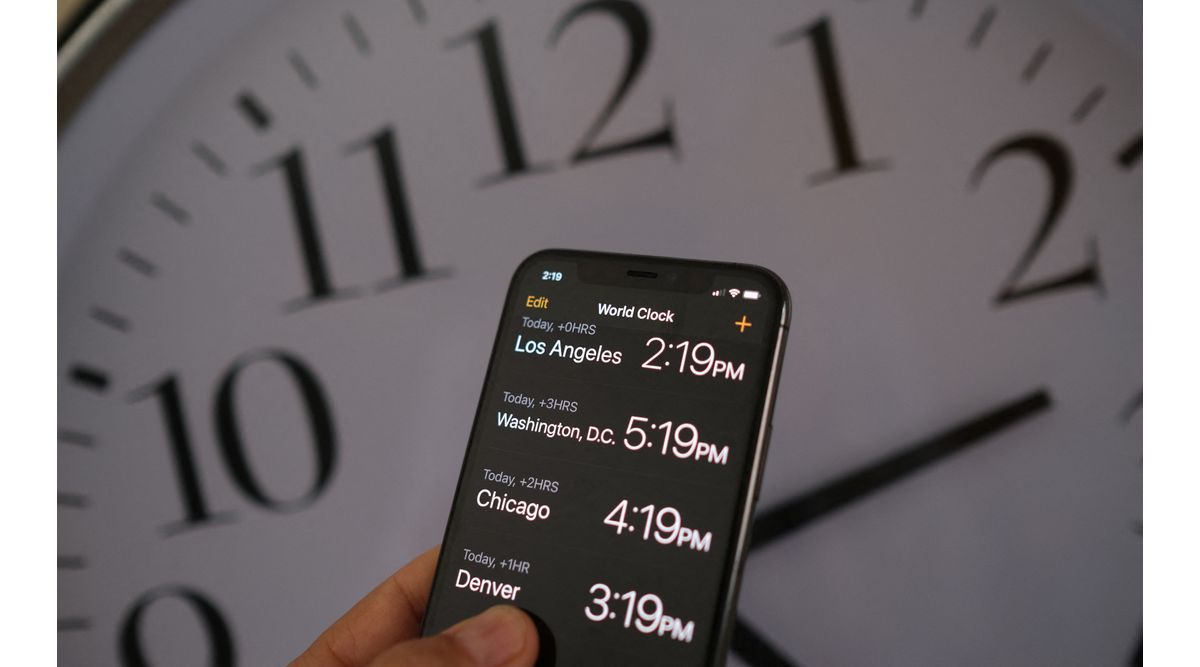
As we approach the start of daylight saving time (DST), a recurring debate emerges about the necessity and impact of this biannual clock change. The tradition of setting our clocks forward by one hour in March and back in November has been a staple of American life since the 1960s. But as discussions heat up, particularly following Elon Musk’s recent poll on social media, Americans are reconsidering whether this practice should continue.
What is the origin of daylight saving time?
Daylight saving time was first implemented during World War I as a means to conserve energy. By extending daylight hours into the evening, it was believed that less artificial light would be needed. This concept was revived during World War II and re-established in the 1966 Uniform Time Act, which allowed states to opt out. Today, only Arizona and Hawaii have chosen not to participate in DST. While the original intentions were to save energy, many argue that its relevance has diminished in today’s society.
The Health Implications of Time Changes
The disruption caused by the spring forward is more than just a minor inconvenience. Studies have shown that the sudden loss of one hour of sleep can lead to a spike in health issues, including heart attacks and strokes. Sleep researchers like Brant Hasler from the University of Pittsburgh explain that the abrupt shift in our circadian rhythms can result in irritability, decreased performance, and even increased accidents on the roads. As many Americans already struggle with sleep deprivation, the transition into daylight saving time can have severe repercussions on public health.
Public Opinion: A Nation Divided
Elon Musk’s unscientific poll revealed a split in public opinion, with 58% of respondents preferring an hour later and 42% an hour earlier. This sentiment is echoed in broader surveys as well. In fact, a previous poll indicated that 40% of Americans favor permanent standard time, while 31% would rather keep daylight saving time year-round. This division highlights a significant challenge for lawmakers trying to navigate the complexities of changing time regulations.
Legislative Efforts and Future Implications
Legislative efforts to abolish or modify daylight saving time have been ongoing for decades. The Sunshine Protection Act, which aimed to make DST permanent, was passed by the Senate in 2022 but failed to gain traction in the House. Moving forward, the conversation around whether to eliminate the time change altogether or adopt a permanent daylight saving time continues. Advocates for permanent standard time argue that it aligns better with natural light cycles, especially for children and those affected by mood disorders.
What Lies Ahead?
As we look toward the future, the ongoing debate about daylight saving time raises important questions about health, public safety, and societal norms. With the increasing awareness of how our bodies respond to time changes, it seems that more and more Americans are advocating for a reevaluation of the practice. Whether through public polls or legislative discussions, one thing is clear: the issue of time change is far from resolved. As the clock strikes 2:00 a.m. this Sunday, many will be left pondering the same question: is it time to stop changing the clocks altogether?






 2025 the ongoing debate and health impacts surrounding daylight saving time.)