

Introduction to Mpox and Its Strains
Mpox, formerly referred to as monkeypox, is an infectious disease caused by the mpox virus. Since it was discovered, there have been different strains of mpox, and now, the latest one identified in England has developed into Clade 1b. This differs from the strain present at low levels since 2022 within the UK, and this sparked concerns in the health sector. As of October, the first case of Clade 1b was confirmed in England, so vaccination efforts must be redoubled across the country.
The Need for Vaccination Centers
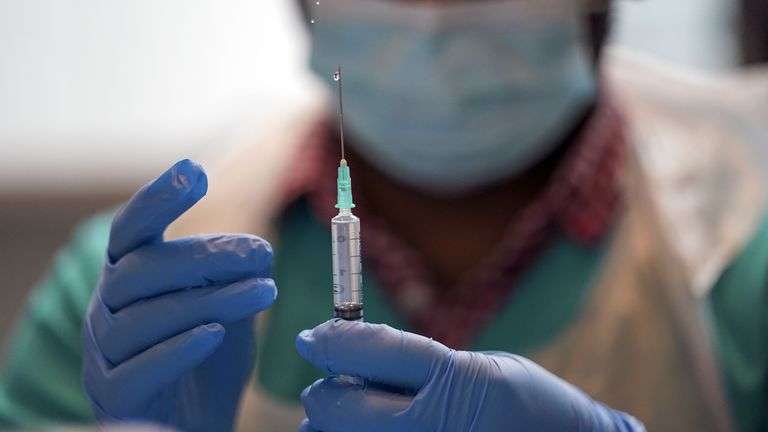
To curtail the spreading of mpox and its derivatives, the NHS has established twelve new vaccination centers in England. This is essential because it provides every region to administer the mpox vaccine to those at risk. Earlier, vaccines were confined to 19 centers in bigger cities like London, Brighton, and Manchester. The expansion of locations in Birmingham, Nottingham, and Liverpool etc. makes it easier for those that qualify, most importantly men who have sex with men and have other partners.
Who Should Vaccinate?
The mpox vaccine is essential for individuals who are considered at the higher risk of getting infected. This also involves other persons including the men who engage in sex with other men, healthcare providers, and even the relatives of patients diagnosed with HIV as well as others with a number of sexual contacts. The NHS advises these eligible candidates to volunteer for immunization. Steve Russell, the NHS national director for vaccination and screening, says that even though the risk for the public is low, vaccination is one of the main defenses against the virus.
Symptoms of Mpox
Understanding the symptoms of mpox is important for early detection and treatment. Common symptoms include a skin rash that can develop into blisters, spots, or ulcers, alongside fever, headache, backache, and muscle aches. The rash normally manifests one to five days from the onset of fever and other systemic symptoms. When you detect any unusual lesions or rashes, it’s highly important that you seek advice from a health care provider soon. Isolation and avoiding contact with others as closely as possible before getting some professional guidance are recommended.
Modes of Transmission
Mpox is transmitted by direct contact with the rashes, skin lesions, or scabs of an infected person. This is possible through sexual contact, kissing, cuddling, and all skin-to-skin contact. Contact with contaminated bodily fluids, bedding, or clothing also increases the risk of infection. In addition, face-to-face interactions that involve breathing or coughing can easily transmit the virus. Knowing these means of transmission helps people protect themselves and others around them.
Role of Public Health Officials
Public health officials are continuously monitoring this situation. Dr. Sema Mandal of the UK Health Security Agency has underlined the significance of getting vaccinated for protecting high-risk groups. According to Dr. Mandal, although cases of Clade 2 are comparatively low, vigilance and vaccination are indispensable so that further outbreaks do not take place. Health officials are asking eligible people to visit newly erected vaccination centers in order to protect themselves and their communities.
Conclusion: Call to Action
It is now very important for at-risk populations to be informed and mindful of their health with the existence of Clade 1b mpox. The increase in vaccination sites all over England is a very welcome move toward fighting the disease. By understanding what they should expect from mpox infection, their modes of transmission, and why vaccination is very important, individuals can make a great difference in controlling the disease. If you believe you fit in the target audience for vaccination, visit the NHS website today and find a nearest vaccination center near you and step forward in getting vaccinated and secure your health.