

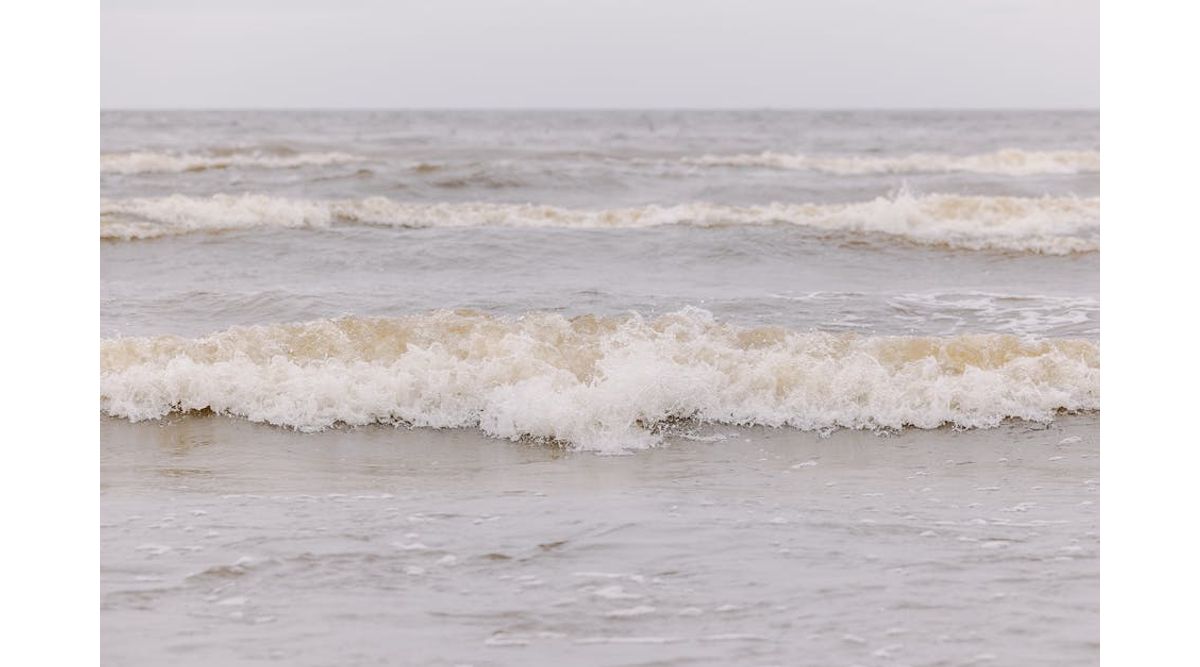
Cyclones are among the most powerful natural phenomena on Earth, characterized by strong winds and heavy rainfall. But what exactly is a cyclone? In essence, a cyclone is a large system of winds rotating around a center of low atmospheric pressure. They typically form over warm ocean waters and can bring catastrophic weather conditions to coastal areas.
Why Do Cyclones Form Over Warm Oceans?
The formation of a cyclone begins with warm, moist air rising over the ocean. As this air rises, it cools and condenses, forming clouds and releasing heat, which further warms the air. This process creates a low-pressure area at the surface, causing surrounding air to flow into the area, which in turn creates the cyclone’s characteristic wind patterns. The Earth’s rotation also plays a crucial role, causing the system to spin and intensify.
Types of Cyclones
There are different types of cyclones, including tropical cyclones, extratropical cyclones, and polar cyclones. Tropical cyclones, like Cyclone Alfred that recently threatened Australia’s eastern coast, form over warm tropical oceans and can cause significant damage due to high winds and flooding. Extratropical cyclones, on the other hand, can form over land or ocean and are often associated with cold fronts, leading to severe weather such as storms and heavy rain. Polar cyclones occur near the poles and are usually less intense than their tropical counterparts.
The Anatomy of a Cyclone
A cyclone typically consists of several key components: the eye, the eyewall, and the rainbands. The eye is the calm center of the storm, often with clear skies, while the eyewall surrounds the eye and contains the most intense winds and heavy rainfall. Rainbands extend outward from the eyewall, bringing precipitation and gusty winds to areas far from the storm’s center.
Real-World Impact of Cyclones
The impact of cyclones can be devastating. Take, for instance, the recent Cyclone Alfred. As it approached Australia’s eastern coast, tens of thousands were evacuated, and many were left without power. With wind speeds reaching up to 130 km/h and heavy rainfall, the cyclone caused significant flooding in low-lying areas. Residents like Stephen Valentine prepared meticulously, gathering supplies and creating safe spaces in their homes.
Such preparations are vital as authorities warn of the dangers that come with cyclones, including flash floods and storm surges. The psychological toll on communities is also significant; many residents face anxiety and uncertainty as they brace for the storm’s impact.
Preparing for a Cyclone
Preparation is critical when a cyclone is on the horizon. Residents in cyclone-prone areas should have an emergency kit ready, which includes essentials like water, non-perishable food, medications, and important documents. It’s also important to have a family communication plan in place. Authorities recommend following local weather updates and heeding evacuation orders promptly.
In conclusion, understanding what a cyclone is and how it operates can empower communities to respond effectively when faced with such natural disasters. As we’ve seen with Cyclone Alfred, being prepared can make all the difference in safeguarding lives and property. Remember, knowledge is power, especially when it comes to weather phenomena that can change lives in an instant.