

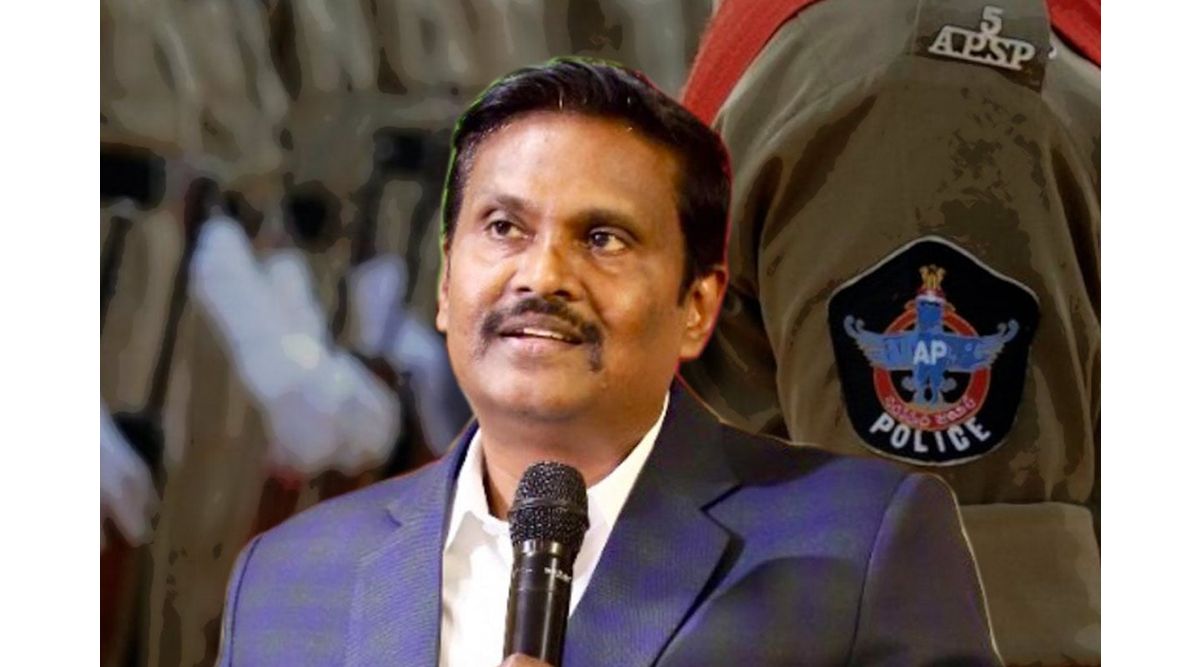
In recent news, P.V. Sunil Kumar, a senior IPS officer in Andhra Pradesh, was suspended for allegedly making unauthorized foreign trips. This situation raises critical questions about the conduct expected from public officials and the implications of their actions on national security. The All India Services (Conduct) Rules, established to ensure accountability and discipline among officers, are designed to prevent such misconduct.
Who is IPS Officer P.V. Sunil Kumar?
The allegations against Mr. Sunil Kumar are serious. He reportedly undertook several foreign trips without the necessary permissions from the government. In March 2024, he was granted permission to travel to Georgia but instead visited the UAE. Additionally, he traveled to Sweden in September 2023 and the U.S. in February 2023 without prior approval. Such actions contravene the AIS regulations, which aim to maintain discipline and accountability in public service.
These unauthorized travels not only reflect a blatant disregard for established protocols but also raise concerns about potential risks to national security. The government’s suspension order highlighted that such conduct could undermine public trust in the administration and the security framework of the country.
What are legal Consequences ?
Public officials, especially those in high-ranking positions like Mr. Sunil Kumar, have a responsibility to adhere to regulations that govern their conduct. Unauthorized foreign travel can lead to potential conflicts of interest and security breaches. For instance, if sensitive information is accessed during these trips, it may have ramifications that extend beyond individual misconduct. As a society, we rely on public servants to act in the best interest of the nation, and violations like these can erode that trust.
The order of suspension, which stipulates that Mr. Kumar cannot leave Vijayawada without permission, is a clear message that the government takes such violations seriously. It’s a reminder that accountability is paramount in public service. Moreover, this incident is not isolated; it reflects a broader need for stringent measures to ensure compliance among public officials.
A Call for Transparency and Accountability
In light of these events, one must wonder how the government can improve oversight of public officials’ conduct. Enhanced training on the regulations governing foreign travel for IPS officers could be one approach. Moreover, establishing a transparent system for reporting and monitoring authorized travel could help mitigate risks associated with unauthorized trips.
Moreover, the recent inquiries into Mr. Sunil Kumar’s conduct, including an investigation into allegations of custodial torture, suggest a pressing need for systemic reform within the police force. Such measures can foster an environment of integrity and accountability, discouraging officers from engaging in activities that compromise their position.
Conclusion: The Bigger Picture
Ultimately, the suspension of P.V. Sunil Kumar serves as a critical reminder of the importance of accountability in public service. As citizens, we must advocate for transparency and ethical conduct among our leaders. The integrity of our governmental institutions rests on the commitment of public officials to uphold the law, ensuring that their actions align with the principles of service and responsibility. Only through rigorous adherence to established protocols can we foster trust in our public institutions and ensure national security remains uncompromised.