

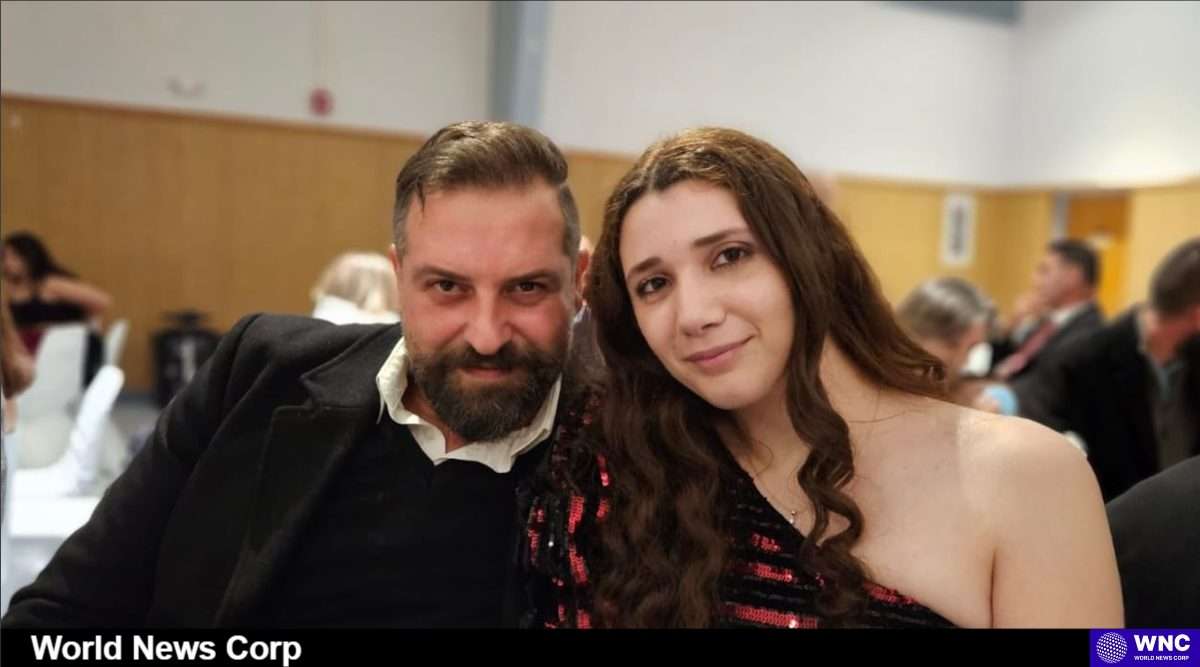
In recent years, the landscape of U.S. immigration has been fraught with confusion and anxiety, especially for those who are citizens by birth. The situations faced by individuals like Juan Carlos Lopez Gomez and Bachir Atallah reveal the complexities and challenges arising from recent immigration enforcement policies. As someone who has followed these developments closely, I find it both alarming and eye-opening to see how easily citizens can find themselves caught in the crosshairs of immigration laws meant for non-citizens.
What’s the Story of Lopez Gomez?
Take Juan Carlos Lopez Gomez, for example. At only 20 years old, he was arrested in Florida under a controversial law aimed at deterring illegal entry into the state. Despite being a U.S. citizen, Gomez was subjected to a lengthy detention process that only ended after media scrutiny and legal intervention. His mother presented his birth certificate and identification, yet he was still held due to the officers’ failure to recognize his citizenship. This incident raises important questions about how well law enforcement understands immigration laws and the rights of U.S. citizens.
Bachir Atallah’s Disturbing Experience
Similarly, Bachir Atallah’s recent experience at the Canadian border offers a stark reminder of how border enforcement can sometimes overstep its bounds. Returning home from a family visit, he and his wife were detained for over five hours, with little explanation provided to them. Atallah described the fear and confusion that engulfed them during their ordeal, as they were handcuffed and separated. The lack of clear communication from Customs and Border Protection (CBP) officials exacerbated their distress. Atallah’s situation reflects a troubling trend where U.S. citizens and lawful residents are not only being subjected to rigorous searches but are also facing emotional distress and a sense of dehumanization.
The Implications of New Immigration Laws
These stories highlight the impact of new immigration laws and policies, such as the one recently put on hold in Florida. Legal experts argue that these laws can create an environment where even citizens are not shielded from unjust treatment. Alana Greer, an immigration attorney, has emphasized that no one should face arrest under laws meant for non-citizens. The confusion surrounding these laws can lead to tragic outcomes, as seen in Gomez’s case.
Finding Solutions: What Can Be Done?
So, what can be done to prevent such situations? First and foremost, there needs to be better training for law enforcement and border officials regarding citizenship rights. A strong emphasis on understanding the difference between citizens and non-citizens is crucial. Moreover, there should be accessible legal support for individuals who find themselves in these uncomfortable situations. Community resources can be a lifeline for those who may not have immediate access to legal representation.
Conclusion: Advocating for Change
As we reflect on these stories, it becomes clear that a more humane approach to immigration enforcement is necessary. Citizens like Gomez and Atallah should not have to fear being detained or treated as criminals simply because of their appearance or language barriers. Advocating for clearer policies and better training for law enforcement can help restore faith in a system that should protect all who call the U.S. home. We must work towards ensuring that our immigration laws do not inadvertently undermine the rights of those they are meant to protect.