
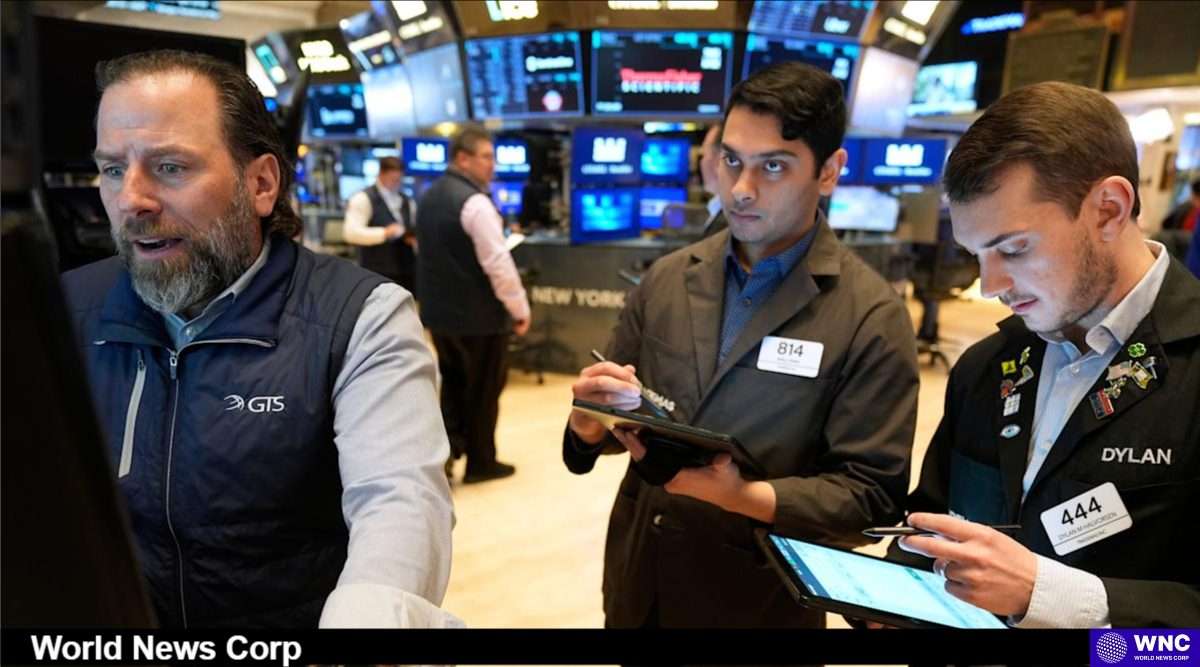
In a dramatic twist that sent shockwaves through global markets, President Donald Trump announced a 90-day pause on his reciprocal tariffs for most countries, while simultaneously ramping up tariffs on China to a staggering 125%. This move came as a response to the economic turmoil triggered by his aggressive tariff policies, which had already led to significant market declines. Investors were left reeling as the S&P 500 soared over 9.5%, marking its best day since 2008. The tech-heavy Nasdaq Composite didn’t lag behind, rallying nearly 12%—its second-best day on record.
What is the current tariff landscape and how does it impact global trade?
Trump’s announcement was crafted in the midst of a storm of criticism from business leaders and fellow Republicans. It appears that the escalating pressure and alarming trends in the bond market significantly influenced his decision. Treasury Secretary Scott Bessent raised concerns about a selloff in U.S. government bonds, which typically serve as a safe haven for investors during turbulent times. Rather than following historical trends, the bond market behaved inversely, prompting fears of a recession that could derail Trump’s economic agenda.
Market Reactions and Stock Surge
The immediate market reaction to Trump’s announcement was euphoric. Stocks skyrocketed, with tech giants like Nvidia and Tesla leading the charge, increasing by 18% and 23% respectively. The Dow Jones Industrial Average also climbed by over 7%, adding approximately 3,000 points—a remarkable recovery after a week of losses. However, this surge was not without its complexities. Analysts noted that the rally was largely driven by a handful of large-cap stocks, casting doubt on the overall health of the market.
The Economic Implications
Despite the short-term relief in stock prices, the economic implications of Trump’s tariff policies remain a concern. Goldman Sachs had previously shifted its economic outlook to a recession baseline, fearing that Trump’s tariffs could significantly impact GDP growth. While the 10% baseline tariffs on non-retaliatory countries remain, many economists caution that the long-term effects of these policies could lead to increased costs for consumers and a slowdown in economic growth.
Global Trade Dynamics
The trade war with China continues to escalate, with Beijing retaliating by imposing an 84% tariff on U.S. goods. This tit-for-tat dynamic raises questions about the future of U.S.-China relations and the broader impact on global trade. Experts warn that ongoing tensions could fracture global trade along geopolitical lines, leading to long-term economic ramifications that could extend far beyond America’s borders.
Conclusion: A Tale of Two Markets
As we move forward, it is clear that Trump’s tariff decisions are not just about immediate stock market reactions; they reflect deeper tensions in both the U.S. and global economies. While the short-term market rally provides a glimmer of hope, the underlying economic uncertainties remain. Investors and policymakers alike must navigate these choppy waters with caution, understanding that today’s gains could be tomorrow’s losses in the unpredictable world of tariffs and trade.