

As global markets continue to react to President Donald Trump’s aggressive tariff policies, the economic landscape is rapidly shifting. The ongoing trade war between the United States and China has raised eyebrows worldwide, prompting analysts to scrutinize the implications for businesses and consumers alike. In this blog post, we will delve into the latest developments in the trade conflict and explore what it means for the future of international commerce.
How do tariffs affect international trade and domestic markets?
The recent announcement of a potential 104% tariff on Chinese imports has sent shockwaves through the global economy. With U.S. companies relying heavily on Chinese goods, this could lead to inflated prices for everyday consumers. A prime example is the clothing industry, where many American brands source a significant portion of their products from China. Retailers are now bracing for the possibility of passing these costs onto consumers, which could exacerbate the already high cost of living.
The situation is further complicated by retaliatory measures from China, which have announced their own tariffs on U.S. goods. This tit-for-tat strategy not only affects trade between these two economic giants but also creates ripples across global markets. Countries like Vietnam and Bangladesh are also feeling the heat, as they face increased tariffs that could hinder their export capabilities to the U.S.
Market Reactions and Economic Anxiety
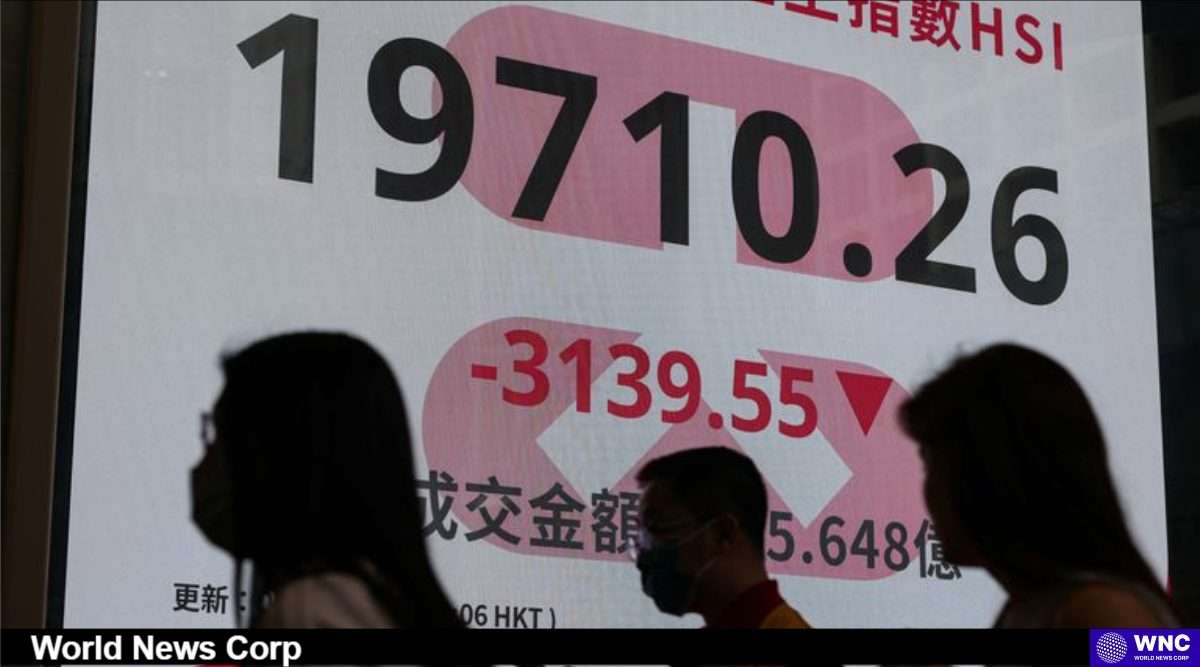
The stock markets have experienced significant volatility in response to these developments. For instance, the S&P 500 recently teetered on the brink of bear market territory, reflecting investor anxiety over potential economic downturns. It’s not just the U.S. markets that are affected; Asian and European markets have also seen dramatic declines. The Hang Seng index plummeted over 13%, marking its largest one-day loss in decades.
As someone who closely follows market trends, it’s alarming to observe how quickly investor confidence can wane. Companies across various sectors are now reassessing their strategies, with many pausing shipments or reconsidering their supply chains. The uncertainty surrounding tariffs adds a layer of complexity to business operations, forcing companies to navigate a landscape fraught with risk.
Long-Term Consequences for Global Trade
The long-term ramifications of the ongoing trade war could reshape international commerce. Many experts suggest that if the current trajectory continues, countries might begin to forge new alliances and trade partnerships, effectively sidelining the U.S. in global trade discussions. For instance, nations like Vietnam are seizing the opportunity to increase their exports to the U.S., hoping to fill the void left by a potentially weakened China.
Furthermore, the implications for manufacturing are significant. Trump’s tariffs are designed to incentivize companies to bring production back to the U.S. However, many analysts argue that this strategy may be shortsighted, as it fails to account for the complexities of global supply chains built over decades. The argument that tariffs will lead to a resurgence of American manufacturing remains contentious.
The Path Forward: Navigating the New Trade Environment
In light of these challenges, what can businesses do to navigate the evolving trade environment? First and foremost, companies should stay informed about potential tariff changes and engage in proactive supply chain management. Diversifying suppliers and exploring alternative markets can mitigate risks associated with reliance on any single country.
Additionally, businesses should consider implementing pricing strategies that account for potential tariff impacts. Transparent communication with consumers about pricing changes can help maintain brand loyalty, even in challenging times. As we move forward, adaptability will be key for businesses looking to thrive in an uncertain trade landscape.
In conclusion, the ongoing trade war poses unique challenges and opportunities for global commerce. Companies must remain vigilant and adaptable as they navigate this complex environment. The price consumers pay and the strategies businesses adopt will ultimately determine how this new trade landscape unfolds.