
The political landscape of America has dramatically shifted under the current presidency, with a style and approach that is notably different from that of any of his predecessors. President Donald Trump’s recent actions, which some have likened to a ‘controlled burn’ of the government, have raised questions about the future of American democracy and governance. This blog aims to dissect Trump’s aggressive executive maneuvers, explore their implications, and consider what they mean for the average American citizen.
The Disruption of Tradition: Trump’s Executive Overhaul
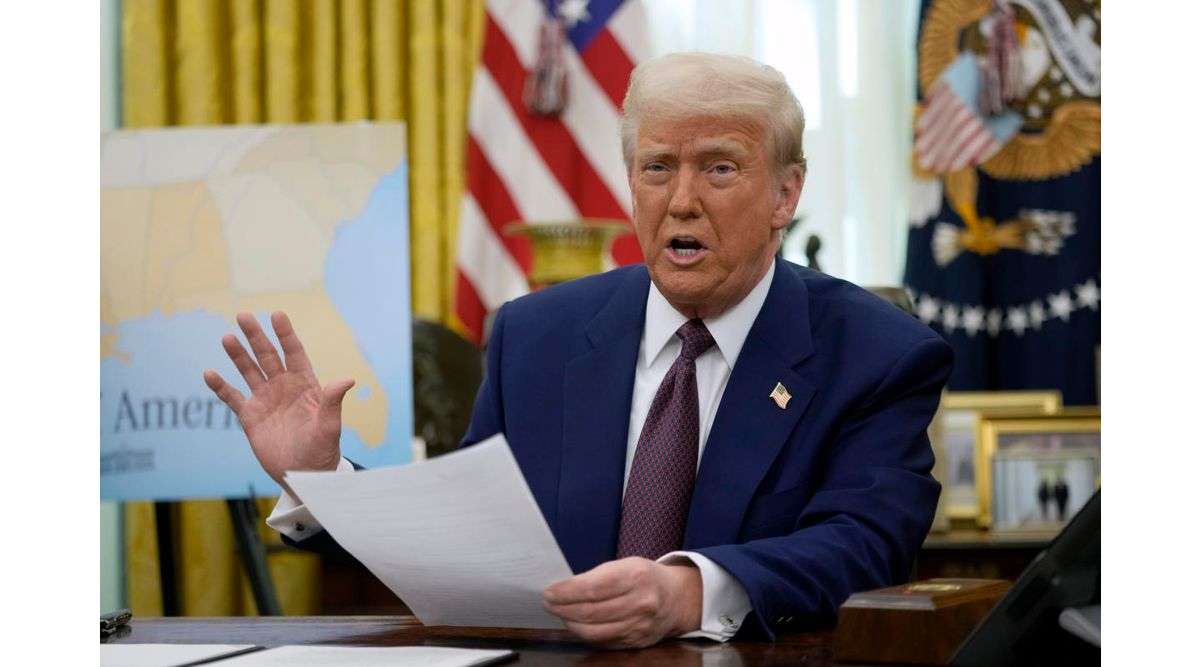
In just a month, President Trump has enacted numerous executive orders, reshaping the federal landscape in ways that many find alarming. His approach is reminiscent of a CEO taking control of a corporation, disregarding checks and balances that have defined the presidency for generations. By attempting to dismantle federal agencies like the U.S. Agency for International Development and remove thousands of civil servants, Trump is sending a clear message: he intends to govern without the traditional limitations imposed by Congress.
Take, for instance, the firing of nearly 20 inspectors general without the legally required notice. This is not merely a bureaucratic shuffle; it is an aggressive act against the very institutions designed to ensure accountability in government. The implications of such actions are profound, as they threaten the integrity and independence of federal oversight that has been a cornerstone of American governance.
A Mandate for Change? Order and Its Implications
Supporters of Trump argue that he has a mandate to disrupt the status quo, citing the desire for change among voters who feel unheard. Yet, the question remains: at what cost? Polls indicate that a significant portion of the population feels his actions exceed the authority granted to him. This is particularly evident in how he has approached foreign policy, distancing the U.S. from traditional allies and creating confusion on the global stage.
Political analysts have drawn parallels between Trump’s actions and those of past presidents who have strained against the limits of their power. However, Trump’s unique position stems from his outright dismissal of the political norms that have governed the presidency. By acting as if Congress does not exist, Trump is not just reshaping policy; he is redefining the role of the presidency itself.
The Public’s Response
For many Americans, the rapid pace of change is both intoxicating and terrifying. Those who support Trump revel in what they perceive as a necessary upheaval, while others view his administration as a threat to democratic principles. This division is palpable, as Americans find themselves in an increasingly polarized environment, where consensus seems almost unattainable.
As a citizen observing this unfolding drama, I cannot help but feel a sense of unease. The very fabric of what makes America, America is being tested in ways we have never seen before. The actions taken today may very well set precedents that future leaders will exploit, potentially undermining democratic processes for generations.
Looking Ahead
As we move forward, the implications of Trump’s presidency remain uncertain. Will the courts rein in his authority, or will Congress finally take a stand against executive overreach? These questions linger heavily in the air, leaving many to wonder what the future holds for American democracy. The actions of this administration will undoubtedly shape the political landscape for years to come.
Conclusion: A Call for Reflection
In conclusion, the current political atmosphere is one of disruption and uncertainty. As citizens, it is our responsibility to engage, reflect, and voice our concerns. The actions of our leaders matter, and we must remain vigilant in protecting the checks and balances that have safeguarded our democracy. Whether through advocacy, voting, or simply staying informed, the role of the American public cannot be overstated in these tumultuous times.