

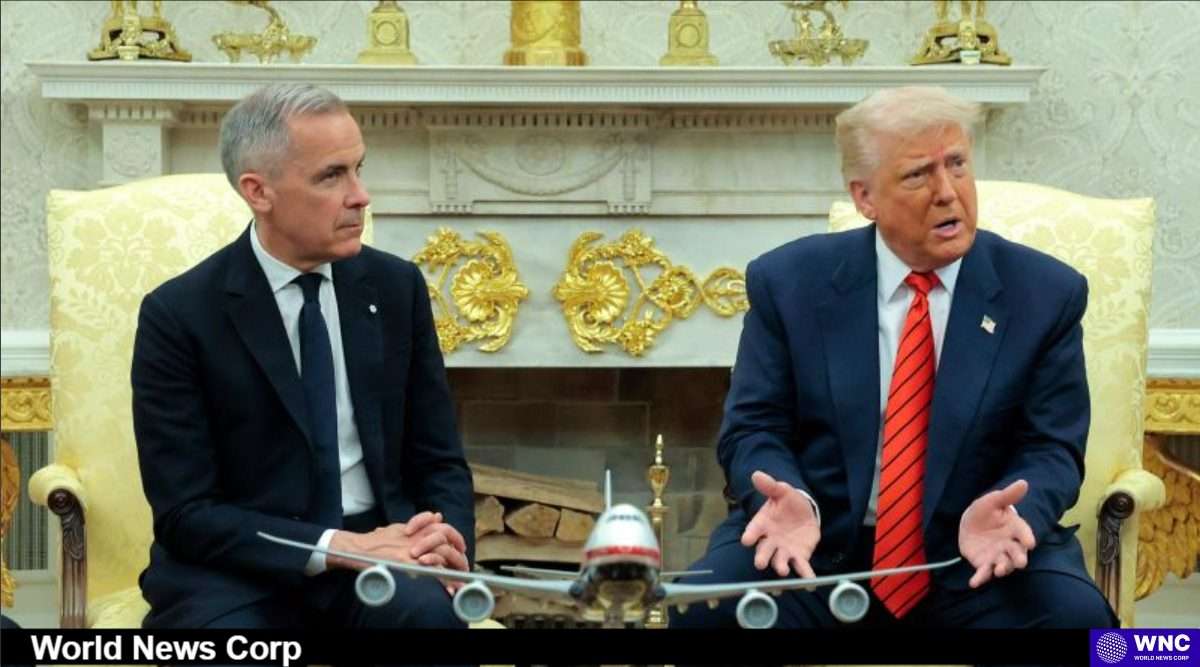
In recent years, the relationship between the United States and Canada has evolved dramatically. The dynamics of this relationship, once characterized by mutual respect and cooperation, have taken a turn, especially with the advent of new leadership in both countries. This change was starkly evident in the recent Oval Office meeting between President Donald Trump and Canadian Prime Minister Mark Carney.
What is the historical context behind this event, and how does it shape current perspectives?
The meeting, held on a brisk Tuesday afternoon, was highly anticipated. As I watched the exchanges unfold, it was clear that the atmosphere was neither hostile nor overly friendly. Trump dominated the conversation, speaking about a myriad of topics while Carney maintained a composed demeanor. The prime minister’s subtle pushback against Trump’s controversial statements regarding Canada’s sovereignty was noteworthy.
During the meeting, Trump made a comment about the border, likening it to a ruler-drawn line that lacked historical significance. Carney’s response was measured yet firm, stating that Canada would not be annexed, drawing a clear line in the sand. “Some places are never for sale,” he asserted, which was a significant reminder of Canada’s independence and distinct identity.
The Underlying Tensions
Despite the diplomatic facade, the underlying tensions were palpable. President Trump took to social media, declaring that Canada was overly dependent on the United States. His remarks suggested a lack of appreciation for the contributions Canada makes. This sentiment runs counter to the spirit of partnership that has historically characterized U.S.-Canada relations.
While Trump seemed to soften his approach during their meeting, the challenges remain. The imposition of tariffs on Canadian goods and the dismissal of key industries like automotive and steel were points of contention that Carney could not easily brush aside. Importantly, the prime minister’s visit to Washington coincided with the announcement of King Charles III’s upcoming visit, symbolizing Canada’s commitment to its sovereignty.
Looking Ahead: What Does the Future Hold?
As the leaders parted ways, they planned to meet again at the upcoming G7 summit in Alberta. This future engagement raises questions about whether the two leaders can find common ground or if the relationship will continue to be fraught with challenges. The stakes are high; issues ranging from trade and immigration to environmental policies are all on the table. Will they address these issues with the seriousness they deserve, or will the meeting merely serve as a platform for more rhetoric?
The current state of relations is at a low point, but history shows that diplomacy can prevail. Engaging in constructive dialogue is essential, especially in a world where global cooperation is more crucial than ever.
In conclusion, the meeting between Trump and Carney was a reflection of the current complexities in U.S.-Canada relations. As both nations navigate this new landscape, it will be vital for leaders to communicate openly and work collaboratively. Only through mutual respect and understanding can we hope to strengthen the ties that bind these two neighboring countries.