
The recent transfer of over 200 alleged members of the Venezuelan gang Tren de Aragua to El Salvador has raised many eyebrows, both domestically and internationally. As a reporter, I find it crucial to delve into the implications of this move, the historical context behind it, and what it means for both countries involved.
How did Tren de Aragua originate, and what are its key operations?
Tren de Aragua is a notorious prison gang from Venezuela that has expanded its operations beyond its borders, particularly into the United States. Active in states like New York City, the gang has been known for retail theft, cellphone burglaries, and even the distribution of synthetic drugs like Tusi. Their criminal activities have not only posed challenges for law enforcement agencies but have also sparked a broader discussion about immigration and national security.
The Deportation Controversy: What’s Happening?
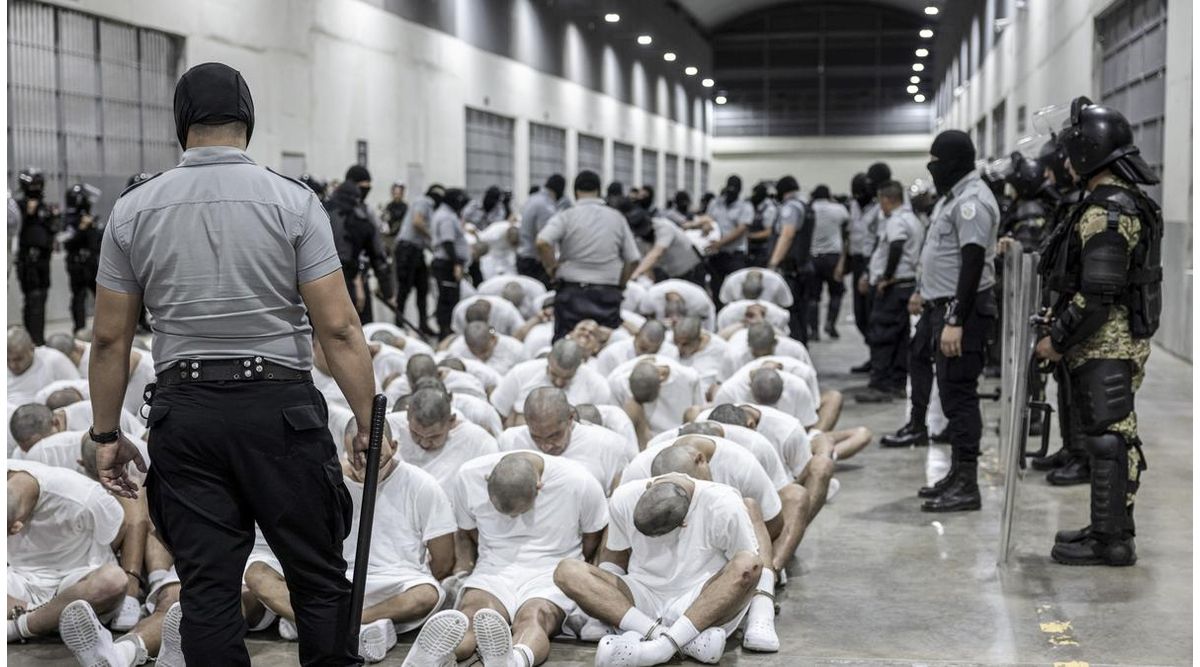
In March 2025, President Donald Trump invoked the Alien Enemies Act, an unusual move aimed at deporting members of Tren de Aragua back to their home country. This act allows the U.S. government to detain or deport individuals from enemy nations without the usual legal processes. The arrival of these gang members was met with a heavily armed response from El Salvador’s military, showcasing the seriousness with which this issue is being treated.
El Salvador’s President Nayib Bukele has expressed gratitude for the U.S. support in tackling gang violence, stating that the incoming prisoners would be housed in the infamous Terrorism Confinement Center. The U.S. administration has agreed to cover the costs of these deportations, which raises questions about the ethical implications of such decisions.
The Legal and Human Rights Debate
The use of the Alien Enemies Act has stirred controversy. Civil rights organizations swiftly filed lawsuits to block the deportations, arguing that the act was never intended for peacetime use. A federal judge granted a temporary suspension, yet planes were already en route to El Salvador. This legal tug-of-war highlights the complexities of immigration law and the balance between national security and human rights.
In the eyes of human rights advocates, this approach could be viewed as a violation of due process. Meanwhile, national security proponents argue that allowing gangs like Tren de Aragua to operate unchecked poses a significant threat. The implications for the affected individuals—many of whom may not have had the opportunity to defend themselves in a court—are dire.
Real-World Impacts: What Lies Ahead?
As these deportations unfold, we must consider the broader implications for U.S.-Latin American relations. While the U.S. government has taken a hard stance against gang violence, critics argue that simply offshoring these individuals does not address the root causes of crime. Additionally, the conditions in El Salvador’s prisons are notoriously poor, raising humanitarian concerns.
Moreover, the fact that a significant number of these deportees are members of Tren de Aragua could potentially exacerbate violence in El Salvador—a country already grappling with its own gang issues. The Zero Idleness program introduced by Bukele, which aims to involve inmates in productive activities, may not be sufficient to rehabilitate individuals deeply entrenched in criminal networks.
Conclusion: A Complex Tapestry of Crime and Justice
The situation surrounding the Tren de Aragua gang is a microcosm of larger issues in the realms of immigration, crime, and human rights. As both nations navigate this complex landscape, it’s imperative to consider not just the immediate actions taken but also the long-term consequences of these decisions. The hope is that, through informed policies and dialogue, we can create a safer environment for all.
In summary, the Tren de Aragua situation illustrates the intricate balance between protecting national security and upholding human rights. It’s a stark reminder that the fight against organized crime requires not just punitive measures, but also a comprehensive understanding of the social dynamics at play.