In recent months, the issue of delayed disability benefits has come to the forefront of public discourse. With numerous claims of individuals, some gravely ill, waiting months or even years for their benefits, the statistics tell a harrowing story. According to the Department for Work and Pensions (DWP), between November 2023 and October 2024, approximately 900,000 people applied for Personal Independence Payment (PIP), a crucial support system for those with disabilities or health conditions. Alarmingly, during this period, 1,300 applicants died while still awaiting their decisions. This shocking revelation raises serious questions about the efficacy of the welfare system and its capacity to support vulnerable individuals in their time of need.
What is the human cost behind the numbers, and how do statistics reflect real-life struggles and consequences?
One particularly poignant case is that of a 40-year-old man from Northern Ireland who has been waiting for his PIP claim since June 2022. Diagnosed with chronic fatigue syndrome due to an underactive thyroid, he faced rejection and a prolonged appeals process. “During that time, to be honest at times I’d lost hope. I felt that my body was failing me, and I felt like I actually wasn’t being believed,” he shared. His story is just a fragment of a much larger narrative in which individuals suffer not just from their health conditions but also from the debilitating stress of waiting for financial support that could alleviate their burdens.
The Backlog and Its Implications
The DWP has reported that applicants experience an average wait of nearly four months before their claims are processed. This delay can have dire consequences. Many individuals are left in precarious situations, struggling to pay for basic living costs, let alone medical treatment. The Public and Commercial Services (PCS) union cites these delays as a scandal, calling on the government to address the staffing crisis that has contributed to the backlog. With 3.6 million people currently claiming PIP, the pressure on the system is palpable.
Political Ramifications and Budget Cuts
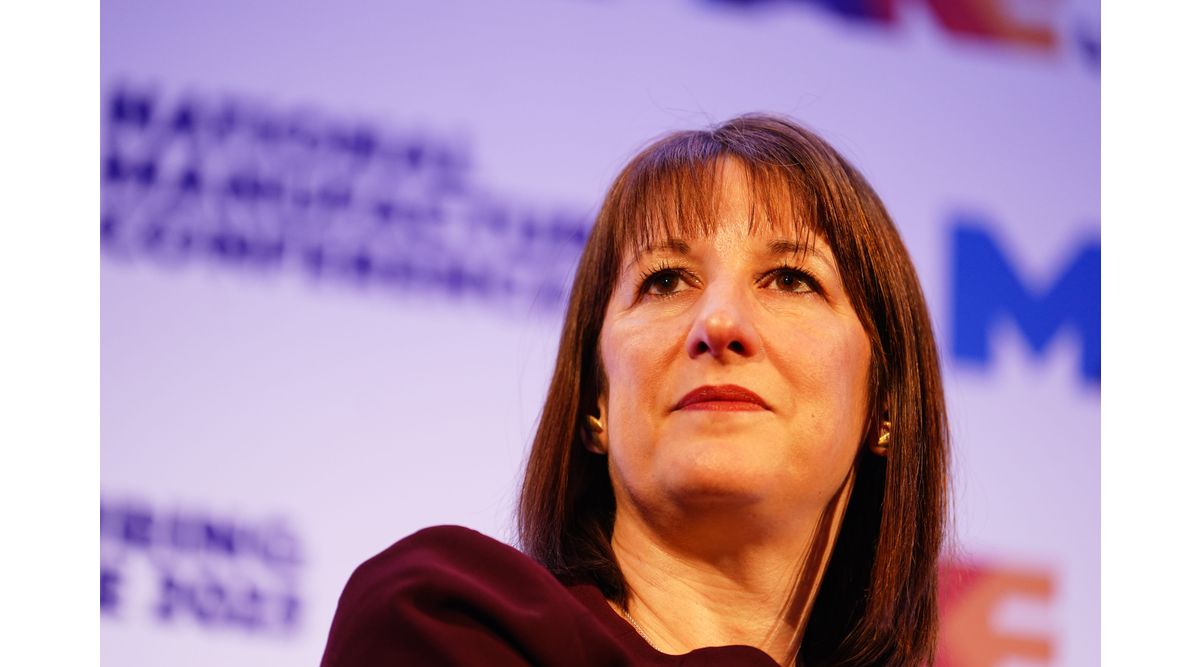
As discussions intensify around the upcoming spring Budget, concerns grow over proposed cuts to the welfare system. Rachel Reeves, the shadow chancellor, has indicated plans to reduce the welfare bill by up to £5 billion, with much of the burden likely falling on PIP claimants. The ramifications of these cuts could exacerbate the already dire situation, pushing more vulnerable individuals into deeper hardship. Labour MPs have voiced their apprehensions, warning that such measures risk further delaying vital support and increasing the suffering of those with disabilities.
Calls for Reform and Accountability
The revelations regarding the treatment of PIP claimants have sparked calls for reform from various advocacy groups. Mikey Erhardt of Disability Rights UK has emphasized the need for the government to prioritize the DWP’s capacity to handle claims effectively. He notes that around 70% of appeals are successful, pointing to flaws in the initial decision-making process. This indicates a systemic issue within the DWP that must be addressed to ensure that those in need receive timely support.
A Wake-Up Call for Policy Makers
As we approach critical discussions regarding welfare reform, the stories of those waiting for life-altering support should serve as a wake-up call for policymakers. The DWP has stated that it is committed to ensuring that benefits are distributed quickly and efficiently. However, with the rising number of claims and the current backlog, it is clear that significant changes are necessary to restore faith in the system.
The plight of disabled individuals waiting for their benefits is not just a statistic; it is a deeply human issue that impacts lives daily. By addressing the delays and ensuring that the welfare system is equipped to support its most vulnerable, we can work towards a more compassionate and effective system that genuinely serves those in need.