
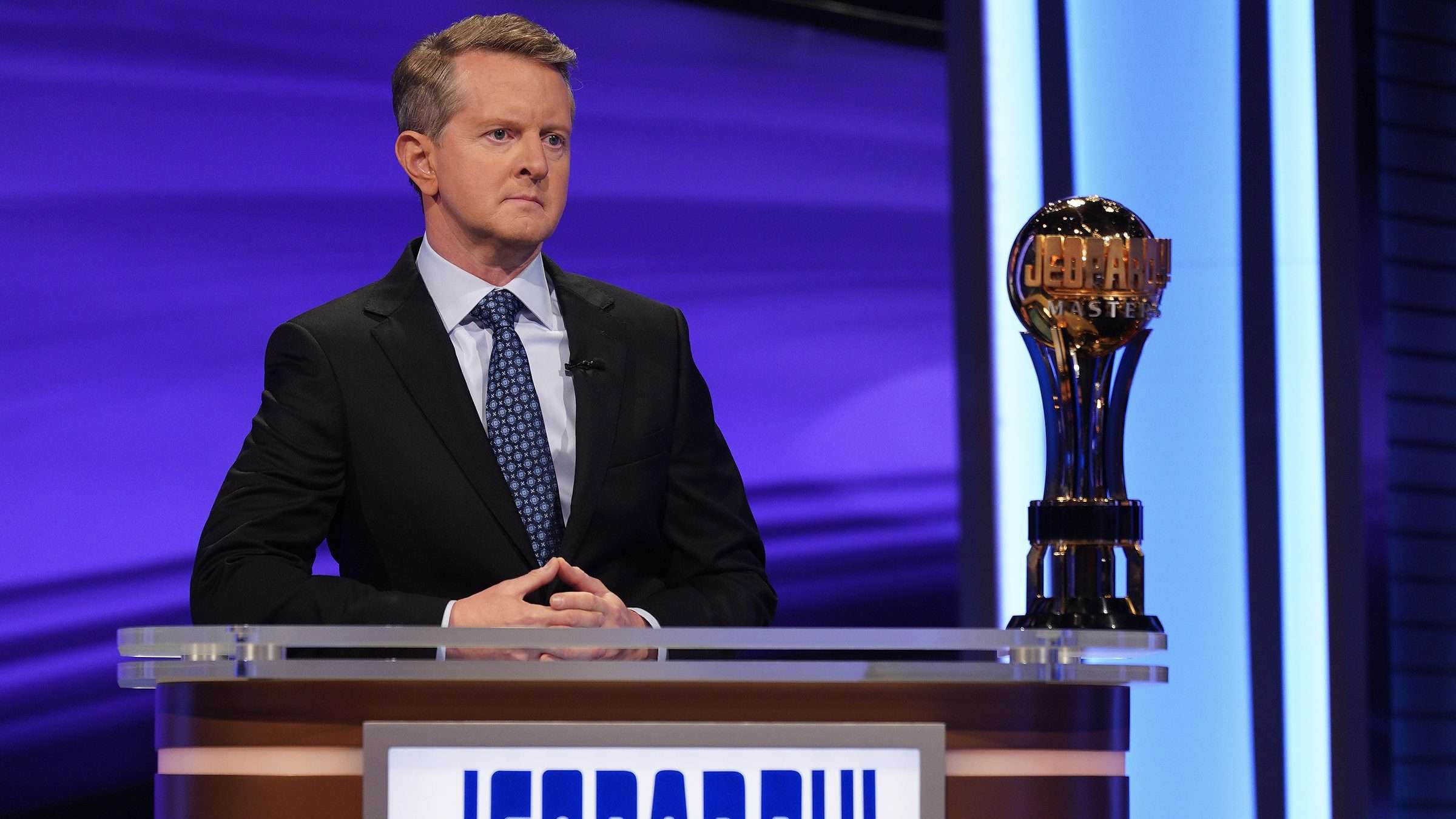
Among the many game shows that have ever been on television, few can be said to have captured audiences’ hearts like *Jeopardy! * and Wheel of Fortune. Their legacy stretches across decades, and their cultural significance is undeniable. However, as the entertainment landscape evolves, so too do the complexities surrounding these beloved programs.
A recent fight between CBS and Sony regarding the rights of distributing these shows gives a vivid picture of the issues media companies might face in the competitive environment of today.
Genesis of the Dispute:
The roots of the controversy date back to October 2024, when Sony Pictures Television (SPT) filed a lawsuit against CBS, accusing it of violating its contract for syndicating Jeopardy! and Wheel of Fortune. According to Sony, CBS was compromising the profitability of the two programs because the network had been promoting more of its in-house productions instead of these popular game shows. CBS retorted that the deal explicitly stated the rights of distributing the shows forever.
The stakes are high for both companies. CBS has been a distributor of *Jeopardy! * and Wheel of Fortune for more than 40 years. The revenues generated by these shows are essential to the business model of CBS.
A failure in distribution transition to Sony would jeopardize the financial well-being of CBS at a time when advertising revenues are already coming under pressure.
In response to Sony’s actions, CBS sought a temporary restraining order to maintain its distribution rights, arguing that allowing Sony to take over would lead to irreparable harm.
A Court Ruling with Implications
Los Angeles Superior Court Judge Kevin C. Brazile ruled in favor of CBS on February 5, 2025, granting the temporary restraining order that prohibited Sony from taking over the functions of distribution. The court’s ruling lets CBS maintain its role in distributing the shows as the cases proceed. It is a short-term victory for CBS, but the underlying issues remain unsolved, and it now sets up for a longer legal fight.
The Corporate Backdrop
Understanding the history of both companies contributes depth to the current situation. Sony received the Jeopardy! and Wheel of Fortune rights when it purchased Merv Griffin Enterprises in 1994. From that time of purchase, Sony assumed the pre-existing syndication deal King World had; later in 1999, CBS bought King World. Such a long period of affiliation between CBS and such game shows complicates the storyline because it weaves history with corporate strategy.
The Future of Game Shows and Distribution
As the entertainment industry continues to evolve, this legal battle raises questions about the future of television distribution. Streaming services and digital platforms are reshaping how content is consumed, and traditional distribution methods are being challenged. The outcome of this dispute may set a precedent for how distribution rights are negotiated and enforced in the future.
Conclusion:
A Battle Worth Watching The enduring CBS and Sony legal battle surrounding Jeopardy! and Wheel of Fortune is more than a corporate battle; it reflects the entertainment industry’s evolving nature. By watching as viewers, we may be experiencing what this media may regard as the most critical moment in television history, when rights to such popular shows are fought over at every cost. To those who enjoy playing those shows, hope is that no matter what the decision may bring, Jeopardy! * and Wheel of Fortune will remain to entertain the world for decades to come.