

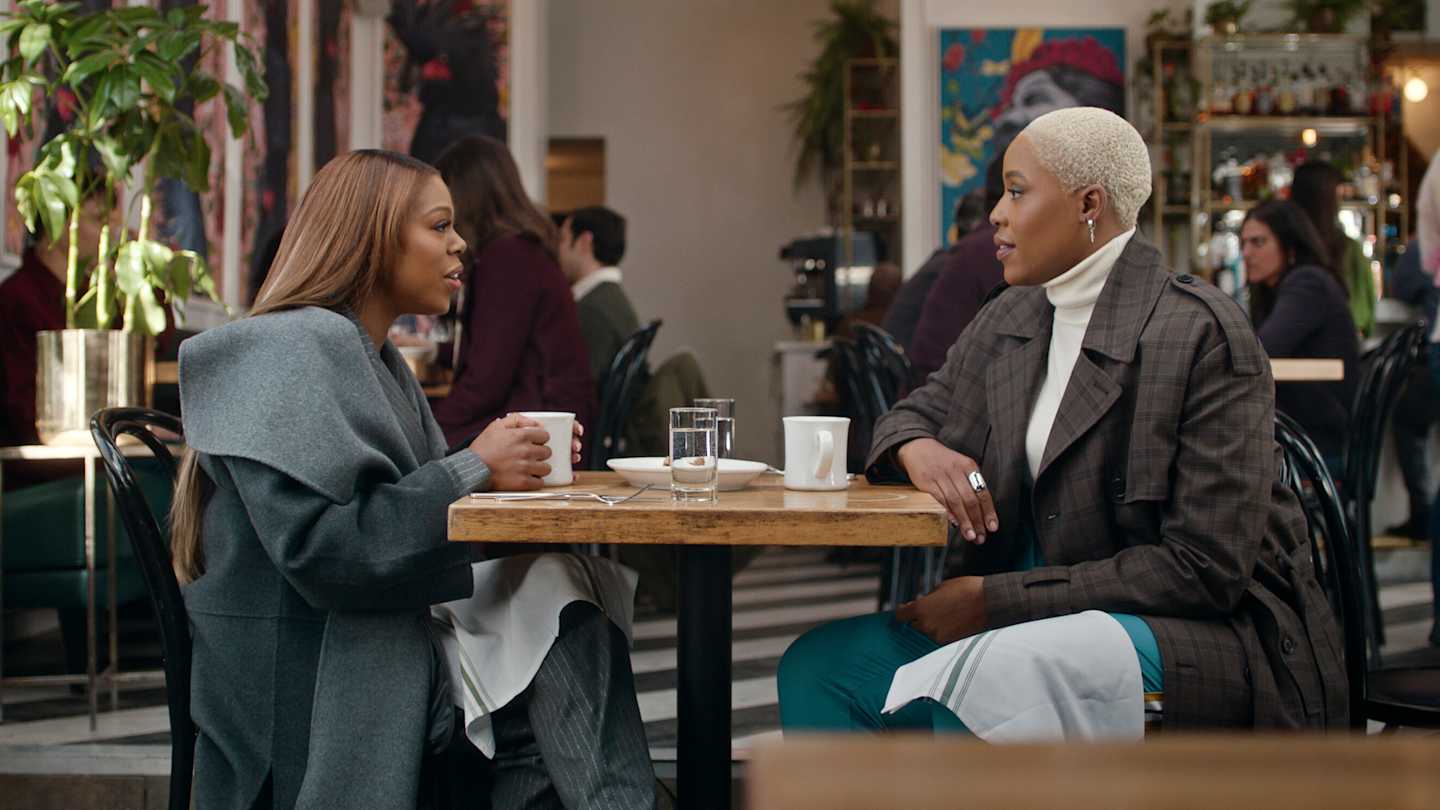
With the recent conclusion of Harlem Season 3, fans are left reeling as they say goodbye to the beloved comedy series that captured the essence of friendship and the vibrant life of Harlem. The series, which premiered on Prime Video, has not only entertained audiences but has also resonated deeply with its representation of Black women navigating their personal and professional lives. The final season finally wraps up the story of four friends: Camille, Quinn, Angie, and Tye, whose individual journeys have related to many people.
The finale of Season 3 was pretty much hyped, with streaming services refreshing and waiting for its release. Still, it seemed that all enthusiasm was lost within a minute because of the disappointing news that there will be no Harlem season four. The creator, Tracy Oliver, expressed her appreciation for getting the chances to tell various stories set in the iconic neighborhood, making it clear that the series was a creative decision rather than a cancellation on the part of the streaming platform to end the series.
Reflecting on the influence of Harlem, it is critical to identify what made the show so special. The characters were multi-dimensional and had their own struggles, triumphs, and growth. For example, Camille’s journey through unexpected pregnancy while dealing with her complicated relationship with Ian was a poignant storyline. Viewers connected with her vulnerability and strength, mirroring the experiences of many women navigating similar challenges.
The representation of friendship among the four women was also a highlight of the series. Their bond showed the importance of support, love, and sometimes tough conversations that friends need to have. Whether it was Quinn’s relationship dynamics or Angie’s pursuit of her dreams in theater, each character brought a unique perspective to the group, enriching the narrative.
Of course, it’s always a tear-jerker, but on a positive note, this wraps up Harlem with enough opportunities for discovery of related TV shows in themes of culture celebration and issues concerning modern lives. Insecure, Run The World, Survival of the Thickest, or a myriad other programs all include great elements about friends, love, and individualization, offering awesome alternatives when needing to find more content beyond the Harlem.
Equally significant, the series sparking conversations related to the plot inside Harlem is its representation of Black stories in media. As audiences, there’s the need to keep propping for diverse narratives that mirror realities of different communities. Therefore, the success of Harlem drives the demand for content that speaks for all other underrepresented voices and prods networks and creators to further invest in future stories in celebrating diversity.
In conclusion, while Harlem will come to a close, there is no question that its spirit will live on. The series has left imprints on those who watched the show and will forever be an imprint on comedy as a form of storytelling and a reminder to all of how powerful storytelling really is. Goodbye to some of our favourite characters, the memories and what they taught us, but always forward to whatever new stories may come our way in television land.