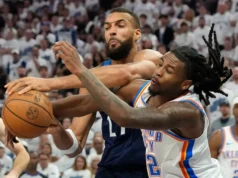

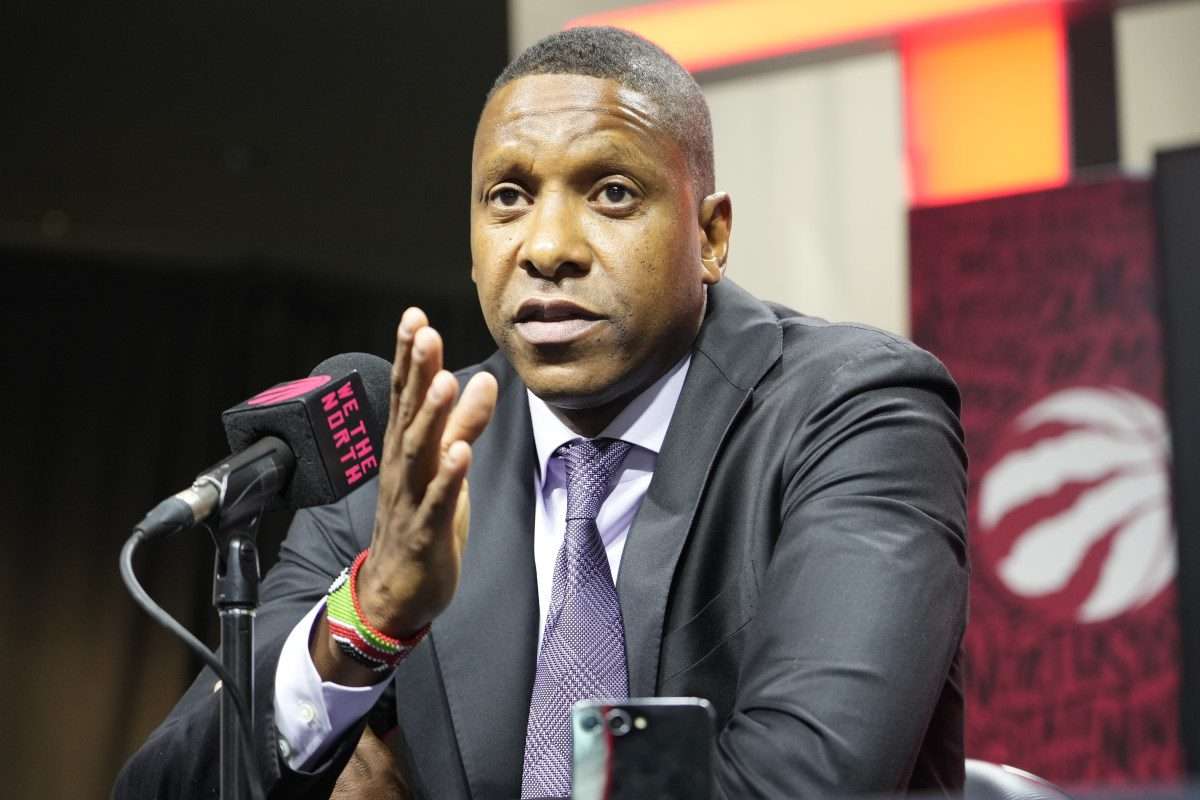
The NBA trade market is a dynamic and often unpredictable environment, where teams are constantly looking to improve their rosters. Recent developments involving Kyle Anderson, who was rumored to be part of a multi-team trade involving Jimmy Butler and the Golden State Warriors, serve as a reminder of the complexities of trades in professional sports.
Understanding the Trade Landscape
Trades in the NBA can often become as intricately complex as chess. Players get traded over with implications, both for franchises as well as their players; here is one story of one man, Kyle Anderson, then part of Golden State Warriors but finding himself very much in a lot of headlines this season-when trade talks hit him-but those talks turned cold. He becomes an important reminder of why sometimes trades may go through; here’s one interesting case, for instance.
The Role of Media in Trade Rumors
The media also gives a huge aspect of shaping the narrative about the trades. Even reports from major news sites such as ESPN and Sportsnet have the ability to cause waves throughout the fan base and impact the morale of the player. With Anderson, excitement about possibly being traded to the Toronto Raptors dissipated within days when it became confirmed that the deal had actually fallen through. This is just how quickly the situation can shift and how necessary it is to use verified sources.
Why Trades Fail: A Closer Look
Several factors can make a trade fall apart. In Anderson’s case, it was said that part of the complex transaction never was finalized. It might be due to financial reasons, disagreements over the valuation of the players, or even last-minute decisions from the teams. For instance, the teams must very carefully weigh their salary cap situations since trades significantly affect the health of their books.
Examples of Real-Life Failures of Trade
The NBA has trade failures galore. For example, in 2011, a deal would have sent Chris Paul to the Los Angeles Lakers had then-Commissioner David Stern not overturned it. Of course, stories like this prove that trade rumors are hard to predict and follow through on sometimes, considering who is making a decision in today’s basketball arena. Fans look at the mere surface of those transactions but often don’t have an idea about the intense talk and negotiation within the walls of the league building.
The Impact on Players
Kyle Anderson’s case is not an exception because such rumor storms make players feel uncertain. Such uncertainty brings so much emotional turmoil while a player still has to perform well. Anderson, who averages 5.3 points in the current season, needs to keep contributing to the Warriors despite the distractions of a trade season. Mental toughness, underestimated in most cases, is what most players require when trade seasons come.
Moving forward, what’s next for Anderson and the Warriors?
As the trading deadline draws nearer, teams have to assess themselves and determine whether or not staying together is worth it. With regard to the case of Anderson, he just needs to concentrate on his play and not mull over about wearing a new jersey or with the Warriors for a long period. Fans, in this respect, should focus on the impending trade deadline. Anything can turn out to become a stable affair overnight.
Conclusion
The Kyle Anderson trade saga provides a case study of the complexity of NBA trades. It captures the interplay between media reporting, team strategy, and the emotions of players. Fans appreciate this knowledge of the landscape when trying to make sense of their favorite game and its players.