

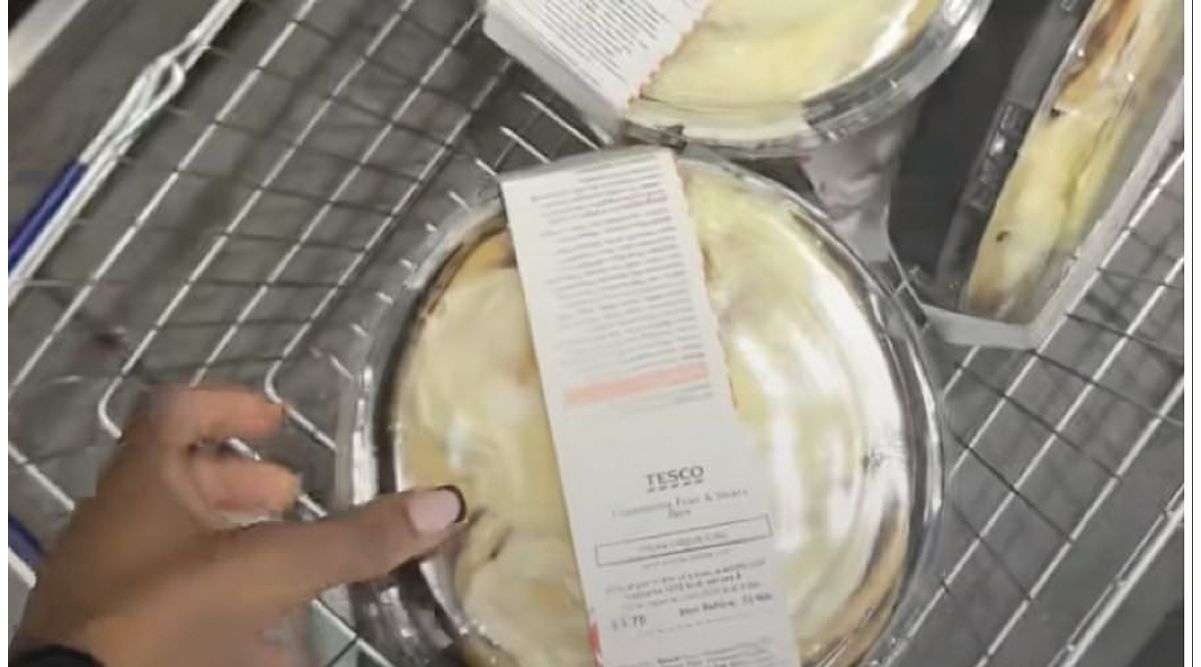
In recent weeks, a viral video featuring a shopper clearing shelves of Tesco’s latest bakery sensation has sparked a whirlwind of outrage and discussion among social media users. The star of this controversy, Nneka from London, was filmed filling her shopping basket with at least ten tubs of the new cinnamon-bun tear-and-share treat, which retails for £3.75 each. This moment quickly became a talking point across platforms like TikTok, where Nneka’s actions were met with both fascination and disapproval. It’s not just about the cinnamon buns, though; it’s a reflection of our society’s consumption habits and the morality of hoarding.
Why are consumers increasingly obsessed with viral food trends and treats, and what role do social media platforms like TikTok and Instagram play in influencing this behavior?
The cinnamon-bun treat has generated quite a fan base since its launch. Described by Tesco as a “soft sweet bun with cinnamon filling, topped with soft cheese icing,” these buns are not just a food item; they have become a cultural phenomenon. As soon as they hit the shelves, shoppers everywhere rushed to get their hands on them, leading to reports of empty shelves and disappointed customers. The bun’s popularity raises the question: why do we become so fixated on certain food items? Is it simply the allure of something new, or is it more about the thrill of the chase?
Reactions to Nneka’s Shopping Spree
Once Nneka posted her video, it quickly amassed over 1.2 million views, attracting a flurry of comments. Many viewers criticized her for being “greedy,” while others questioned whether she intended to resell the buns. The outrage highlights a growing concern regarding consumer behavior. Are we too quick to judge someone for their shopping habits? Or does Nneka’s haul reflect a broader issue related to food scarcity in our increasingly consumer-driven world?
The Fine Line Between Sharing and Hoarding
In a follow-up video, Nneka clarified that she hadn’t actually purchased the 10 tubs of buns, which adds another layer to this unfolding drama. She humorously questioned the viewers’ concerns, asking if they were okay for being so invested in her shopping habits. This moment illustrates the fine line between sharing a lighthearted moment and hoarding food items. Nneka’s experience resonates with many who have felt the pressure to stock up during times of uncertainty, especially during the pandemic.
The Role of Social Media in Food Trends
The incident also brings to light the role social media plays in shaping food trends. Influencers and everyday users alike share their culinary experiences, contributing to a collective consciousness that influences what we buy and how we perceive food. The cinnamon bun craze is just one example of how quickly a product can gain traction online, but it also serves as a reminder of the responsibility that comes with such influence. Should we be more mindful about how we showcase our consumption habits?
Conclusion: A Call for Conscious Consumption
As we navigate through these discussions, it’s essential to encourage conscious consumption. Whether you’re a casual shopper or a dedicated food lover, being aware of how our choices impact others can help us build a more equitable food culture. Perhaps the next time you spot a viral treat in the store, remember Nneka’s experience and consider leaving some for others. It’s not just about enjoying a sweet treat; it’s also about fostering community and kindness in our shopping habits.