

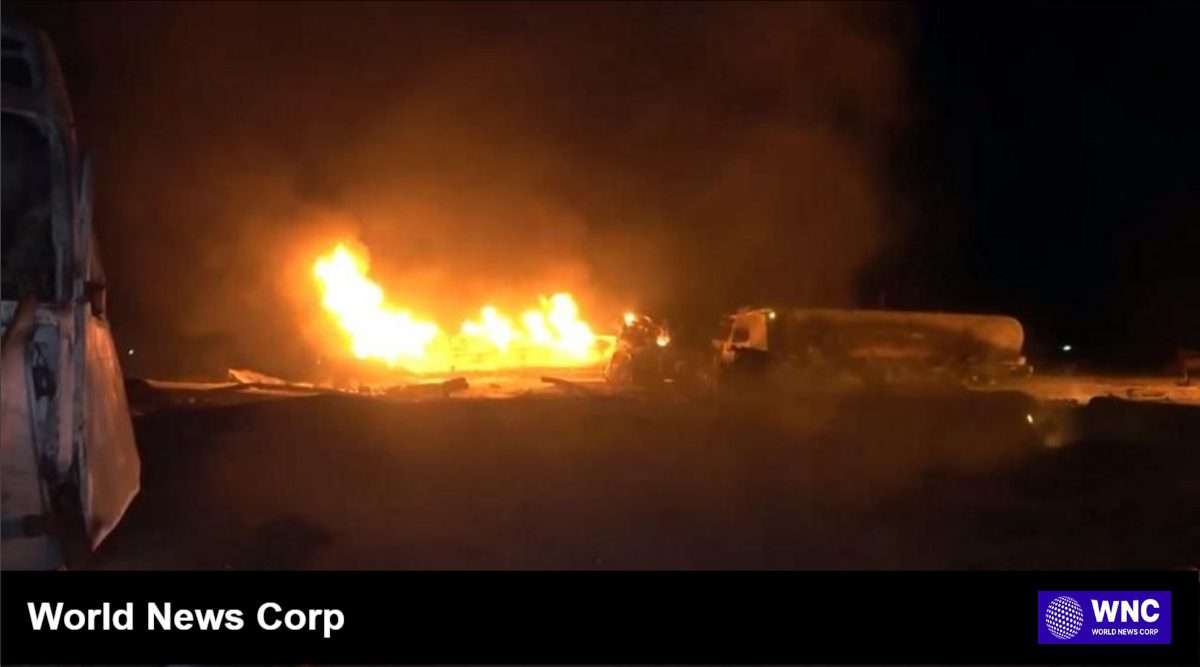
In recent weeks, the US military has significantly ramped up its airstrikes against Houthi rebels in Yemen, particularly targeting the Ras Isa oil port. According to reports, these strikes aimed to cripple the Houthis’ supply chains and financial resources, which have been crucial for their operations. The US Central Command stated that these actions are designed to prevent the rebels from funding their activities, which they claim have terrorized the region for over a decade. However, the human cost of these operations has raised serious concerns.
What Response Emerged from Houthi Media?
Houthi-run media outlets reported that recent strikes resulted in the deaths of at least 38 individuals, including paramedics and civilians. These figures, if confirmed, would mark one of the deadliest days in a month-long campaign of US strikes. The Houthis’ al-Masirah channel broadcasted graphic footage depicting the aftermath, showcasing the devastation and loss of life. It’s crucial to note that while the US military claimed its attacks were not intended to harm Yemeni civilians, the reality on the ground tells a different story.
The Houthis’ Threats and Global Implications
Since the onset of the Israel-Gaza conflict in October 2023, the Houthis have escalated their attacks against commercial shipping in the Red Sea and Gulf of Aden. This has raised alarms in the shipping industry due to the strategic importance of this route, which accounts for almost 15% of global trade. The rebels have targeted over 100 merchant vessels, sinking two and resulting in fatalities among sailors. As a result, some shipping companies have opted to avoid the Red Sea, fearing for the safety of their crews and cargo.
The Broader Context: US Involvement and Strategy
The current US campaign against the Houthis seems to be more extensive compared to previous administrations. There’s a notable shift from merely targeting missile launch sites to going after high-ranking personnel and urban areas. This escalation reflects a broader strategy not only to contain Houthi aggression but also as a part of the US’s stance against Iran, which backs the Houthis. The Biden administration had previously focused more on diplomatic solutions, but the situation has since changed dramatically.
Conclusion: A Complex Humanitarian Crisis
The implications of these airstrikes extend beyond military objectives. Yemen has been embroiled in a humanitarian crisis, with millions facing starvation and a lack of medical care. The US’s actions, although framed as necessary military operations, contribute to an already dire situation. The international community must grapple with the balance between military action and humanitarian considerations, aiming for a resolution that prioritizes the lives of Yemeni civilians.
Taking Action: What Can Be Done?
As individuals, it’s important to stay informed and advocate for peaceful solutions in conflict zones like Yemen. Supporting humanitarian organizations working on the ground can also help alleviate the suffering of those affected by the violence. Engaging in conversations about the complexities of foreign policy might encourage a more nuanced understanding of such conflicts. We all have a role to play in pushing for a resolution that respects human rights and fosters peace.